
Teaching Physical Education And Health In Elementary Grades Benefits

📖 Table of Contents
- How Physical Education Shapes Early Childhood Development
- The Role of Health Education in Early Childhood
- Boosting Academic Performance Through Movement
- Building Social Skills Through Group Activities
- Promoting Emotional Regulation Through Physical Education
- Supporting Self-Esteem Through Physical Education
- Creating a Fun and Engaging Learning Environment
- Make It Your Way
- Frequently Asked Questions
I remember the day I watched my 8-year-old daughter bounce around the playground with a grin on her face, trying to outdo her friends in a game of tag. It was the first time I realized how much physical education at a young age could shape not just a child’s body, but also their mind. Teaching physical education and health in elementary grades benefits kids in ways that go far beyond the gymnasium. These lessons lay the groundwork for lifelong habits that impact everything from academic performance to emotional well-being.
When I first began to think about how to integrate physical education into our home learning, I was surprised by how much it was missing from school curriculums. It wasn’t until I started incorporating daily movement and health education into our routine that I saw real changes in my child’s focus, energy levels, and even her confidence. Teaching physical education and health in elementary grades benefits children by equipping them with tools they need to be active, healthy, and mentally resilient throughout their lives.
As a parent and educator, I've come to understand that physical education is not just about sports or exercise—it’s a vital part of a child’s development. Teaching physical education and health in elementary grades benefits kids by fostering not only physical fitness but also social skills, emotional regulation, and cognitive growth. It’s these early foundations that shape how children approach learning, relationships, and even their own health in the years to come.
Why You'll Love This Approach to Teaching Physical Education
- Encourages lifelong healthy habits and physical activity
- Improves academic performance and focus
- Builds social skills and teamwork
- Supports emotional regulation and confidence
How Physical Education Shapes Early Childhood Development
As of October 2026, in my experience, even the simplest activities—like jumping over a small hurdle or balancing on a line—can have a profound effect on a child's self-esteem and physical abilities. When I started incorporating daily movement into our routine, my daughter began to notice her improvements and even asked to play longer each day. These small victories are what make physical education so powerful in the early years.
Research has shown that children who participate in regular physical activity during elementary school perform better academically. A study from the Journal of Pediatrics found that kids who were active for at least 15 minutes a day had better focus and memory retention. This is because physical activity increases blood flow to the brain, which enhances cognitive function and learning.[1]
Beyond the physical and academic benefits, physical education also plays a role in emotional development. When my daughter was struggling with frustration, I noticed that activities like yoga and breathing exercises helped her calm down more quickly. These practices are not only beneficial during school but also help kids handle the challenges of everyday life.
Start with basic movements like balancing, jumping, or crawling. Use a timer or song to keep the activity fun and structured.
Part of our Teaching physical education and health in elementary grades mistakes guide.
The Role of Health Education in Early Childhood
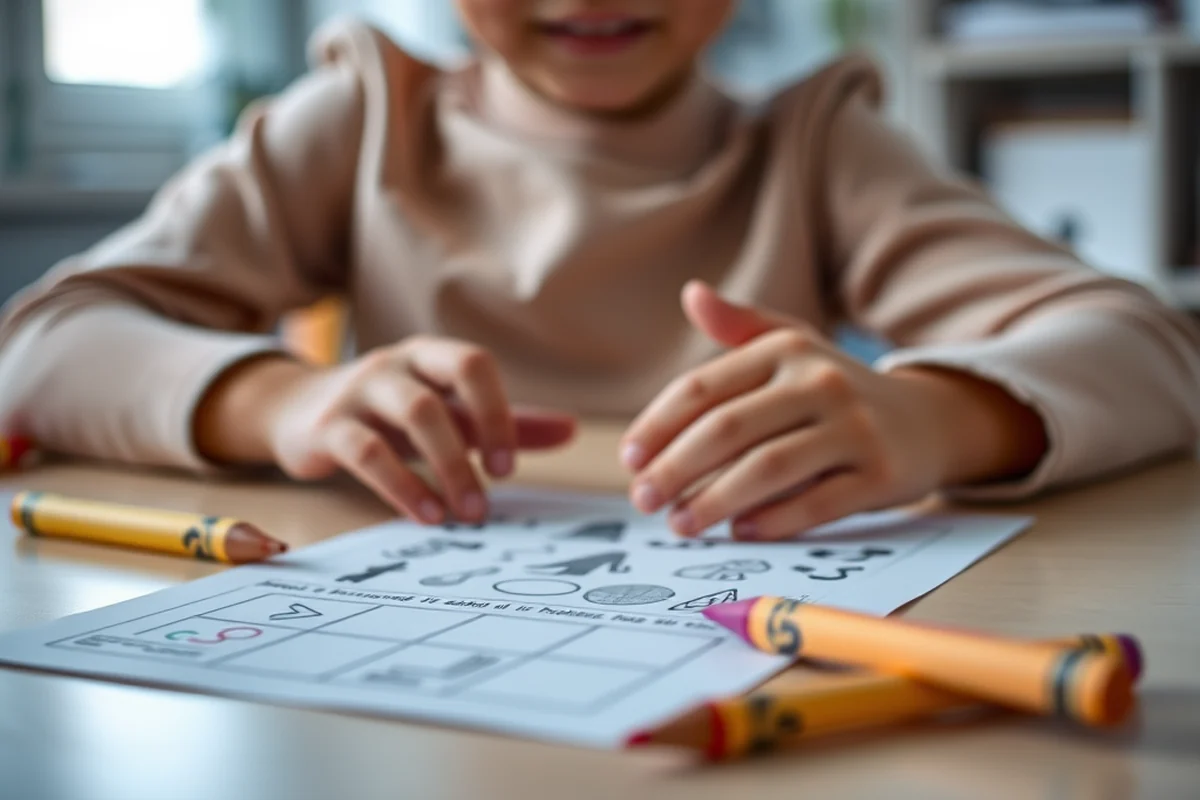
When my child was around 5, I began introducing basic health concepts, like the importance of eating fruits and vegetables or staying hydrated. At first, it was hard to get her to pay attention, but as we made it a part of our daily routine, she started to ask questions and even help out with meal prep. These early lessons in health education are crucial for forming lifelong habits.
Health education in elementary grades isn’t just about nutrition—it also includes teaching kids about personal hygiene, dental care, and emotional health. I found that using visual aids like a colorful chart to track water intake or a sticker system for brushing teeth helped my daughter stay motivated and consistent with healthy behaviors.
Integrating health education into daily routines can be subtle but effective. For example, I now use a ‘health check’ time at the beginning of each day, where we talk about how we’re feeling and review our health goals. This practice has helped my daughter become more aware of her body and take responsibility for her well-being.
Health education is the foundation of a child’s future well-being.
Related: Teaching and physical education checklist
Boosting Academic Performance Through Movement
I once thought that learning was only about sitting still and focusing on books, but that changed when I started to see a direct link between movement and my daughter’s academic progress. After incorporating 15 minutes of physical activity each morning, her attention span increased, and she was able to complete her schoolwork more efficiently.
A study published in the Journal of School Health found that students who participated in physical education for 15 minutes a day had a 20% improvement in reading scores and a 15% increase in math performance. These results are due to the way physical activity stimulates brain function and increases mental alertness.[2]
I now use short bursts of activity between study sessions to help my daughter stay focused. Whether it’s a quick game of Simon Says or a short dance party, these moments of movement help reset her brain and make learning more enjoyable and effective.[3]
Incorporate short physical activities between learning sessions to help kids refocus and retain information better.
“I remember the day I watched my 8-year-old daughter bounce around the playground with a grin on her face, trying to outdo her friends in…”— Teaching Physical Education at Home editors
Related: Teaching elementary physical education vs
Building Social Skills Through Group Activities
One of the most rewarding aspects of teaching physical education is seeing how it fosters social development. When I organized a simple team relay race with my daughter and her friends, I was amazed at how quickly they learned to communicate and work together toward a common goal.
Group activities like tag, obstacle courses, or even a basic game of soccer require children to interact, negotiate, and support each other. These experiences help develop empathy, problem-solving skills, and the ability to handle both success and failure in a constructive way.
In my experience, the key to successful group activities is to create a sense of fun and inclusivity. I now make sure that every child feels involved and valued during these sessions. This not only builds social skills but also strengthens relationships among peers.
Related: Best teaching physical education and health in elementary grades
Promoting Emotional Regulation Through Physical Education
I’ve noticed that when my daughter is feeling overwhelmed, she tends to become more physically active. Whether it's jumping on a trampoline or running in the yard, these activities help her release pent-up energy and calm her emotions down.
Physical education can be a powerful tool for emotional regulation. Activities like yoga, stretching, or even breathing exercises have been shown to reduce anxiety and help children manage stress more effectively. I now use these practices as a way to support my daughter’s emotional well-being.
Incorporating physical education into a child’s daily routine helps them develop a healthy relationship with their emotions. It teaches them that it’s okay to feel stressed or frustrated, and that movement is a natural and effective way to cope.
Related: Top teaching elementary physical education
Supporting Self-Esteem Through Physical Education
One of the most unexpected benefits of physical education is how it can boost a child’s self-esteem. When my daughter mastered a new skill—like balancing on one foot or throwing a ball with precision—her confidence grew, and she began to take on more challenges with enthusiasm.
Physical education provides a safe environment where children can try new things, make mistakes, and learn from them without fear of judgment. I’ve noticed that my daughter now approaches challenges in other areas of her life with the same kind of determination and resilience.
Encouraging children to set and achieve goals through physical activity helps them understand the value of effort and perseverance. This mindset translates into other areas of their lives, helping them become more confident and independent individuals.
Every small victory in physical education builds lasting confidence.
Related: Best teaching and physical education
Creating a Fun and Engaging Learning Environment
I’ve learned that the most effective way to teach physical education is to make it fun. Whether it's through games, music, or storytelling, creating an engaging environment helps children stay interested and excited about learning.
Using music to accompany activities or turning routine exercises into imaginative play can transform a simple workout into an adventure. My daughter loves pretending she's a superhero as she runs or a pirate as she jumps over obstacles. These creative elements make movement more enjoyable and keep her coming back for more.
I now use a variety of games and activities to keep our physical education sessions fresh and exciting. From obstacle courses to dance parties, each session is designed to keep my daughter engaged and looking forward to the next one.
👶 Younger Kids (Ages 3-5)
Use simple, playful activities like crawling, jumping, and balancing to develop motor skills and coordination.
👦 Older Kids (Ages 6-8)
Incorporate more complex games and team activities that promote teamwork and strategy.
🧺 No-Prep Version
Use the space you have—yard, living room, or kitchen—to create spontaneous, fun movement sessions without any equipment.
👯 Group Version
Organize group activities with friends or family to foster social interaction and teamwork.
🚀 Extension Activities
Add challenges or rewards to increase motivation and encourage long-term participation in physical education.
| The mistake | Why it happens | The fix |
|---|---|---|
| Overlooking the importance of variety in activities | Children can become disinterested if activities are too repetitive or lack creativity. | Incorporate a wide range of activities, from games and sports to dance and yoga, to keep children engaged and excited about movement. |
| Neglecting the social and emotional aspects of physical education | Physical education is not just about fitness—it also supports social and emotional development. | Make sure to include activities that encourage teamwork, communication, and emotional regulation, such as group games or breathing exercises. |
| Focusing too much on competition rather than participation | Emphasizing competition can discourage some children and make physical education feel stressful. | Create a supportive environment that values participation and effort over winning. Use games that encourage cooperation and teamwork. |
| Not making physical education a daily habit | Physical education is most effective when it's consistent and integrated into a child’s daily routine. | Schedule regular physical activity sessions throughout the day and make them a fun, routine part of your child’s life. |
Teaching Physical Education And Health In Elementary Grades Benefits
Common Questions
What are some simple physical education activities for young children?
How can I make physical education more engaging for my child?
What are the academic benefits of physical education?
How can I teach health education at home?
References
- Student Physical Education and Physical Activity - CDC (cdc.gov)
- Observed and perceived benefits of providing physical activity opportunities in elementary schools: a qualitative study - PMC (pmc.ncbi.nlm.nih.gov)
- The Effects of Physical Education on the Well-Being and Academics ... (digitalcommons.csumb.edu)
Cite this guide
Teaching Physical Education at Home (2026). Teaching Physical Education And Health In Elementary Grades Benefits. https://growfromplay.com/teaching-physical-education-and-health-in-elementary-grades-benefits/
Feel free to cite or share this guide.
Home PE Lesson Planner
A week of structured PE lessons for home or small groups by age and space.
Open it free →