
Physical Education Resources Step By Step
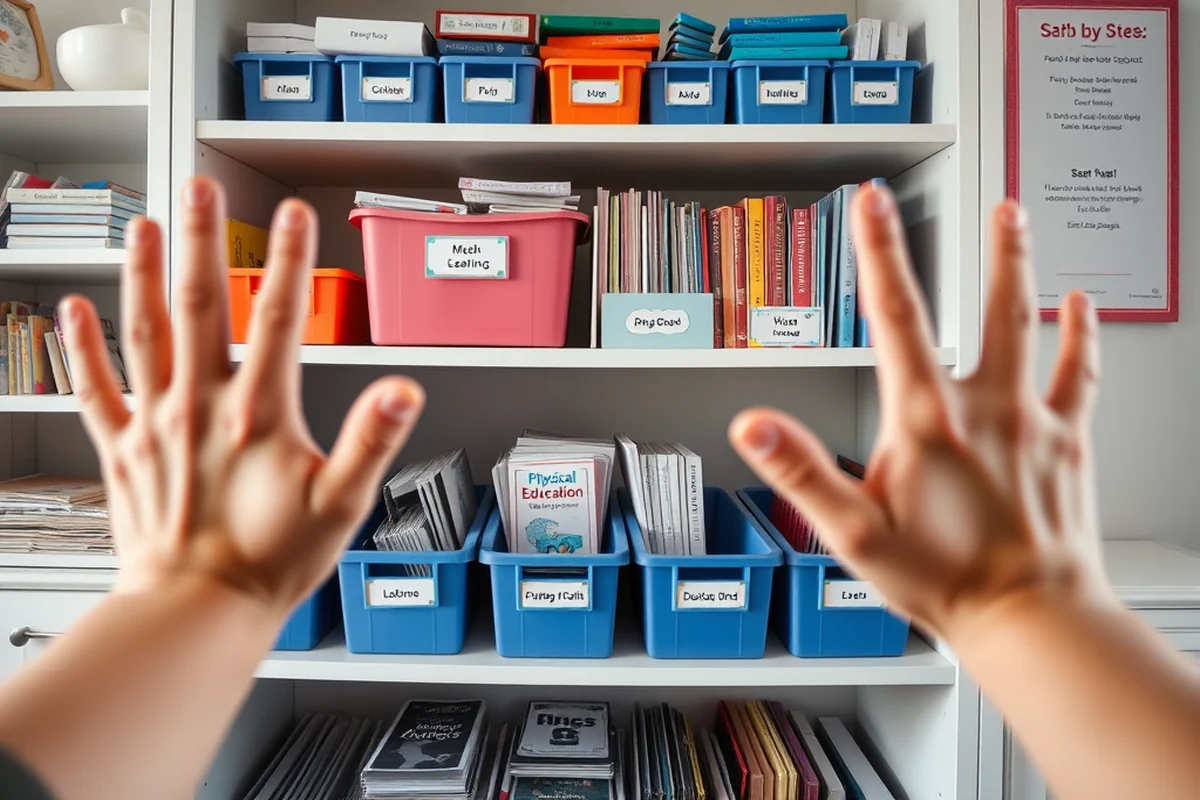

📖 Table of Contents
- Understanding the Core Principles of Step-by-Step PE
- Creating a Structured PE Routine at Home
- Choosing the Right Resources for Your PE Program
- Adapting PE Resources for Different Age Groups
- Making the Most of Limited Space and Equipment
- Tracking Progress and Setting Goals with PE Resources
- Incorporating Technology into Your PE Program
- Expert Tips and Advanced Techniques
- Tools, Materials and Resources
- Tools, Materials and Resources
- Troubleshooting and Common Questions
- Troubleshooting and Common Questions
- Getting Started: Your First Steps
- Make It Your Way
- Frequently Asked Questions
I still remember the first time my son came home from school with a physical education worksheet that made me laugh out loud — it had a diagram of a human body and a question: 'Where would you put your hands if you were doing a push-up?' I thought, 'This is a great start. It’s only the beginning.' That’s where physical education resources step by step come in — not just as a guide, but as a lifeline to making PE at home both effective and fun.
As a parent, I know how challenging it can be to create a structured physical education program at home. There’s no gym, no PE teacher, and no clear roadmap. But over the years, I’ve discovered that the key is to break things down into manageable steps — that’s where the term 'physical education resources step by step' becomes more than a phrase; it becomes a strategy. Whether you're a first-time parent or a seasoned educator, this approach makes it easier to bring structured and engaging PE into your home.
What I’ve learned through trial and error is that physical education resources step by step are more than just lesson plans or equipment lists; they’re tools that help you teach kids the value of movement, teamwork. Discipline. When I first started, I assumed I’d need a gym or a lot of expensive gear. But the truth is, with the right approach, you can make every room in your house a PE classroom — all it takes is the right kind of guidance.
Why You'll Love This Physical Education Approach
- Simple, step-by-step guidance that doesn’t require prior experience.
- Adaptable for all ages and fitness levels, making it accessible for every home.
- Cost-effective solutions that use minimal equipment and maximize engagement.
- Empowers parents and educators to create a structured PE routine at home.
Understanding the Core Principles of Step-by-Step PE
As of September 2026, I learned early on that the best PE programs don’t rely on high-tech gear or professional coaches. They rely on a clear structure. Step-by-step resources help break down complex activities into smaller, digestible parts. For example, teaching a jump rope routine might start with just holding the rope and swinging it, then gradually progress to jumping in time with music. This approach keeps kids engaged and gives them a sense of accomplishment as they build on their skills.[1]
I once had a neighbor who tried to teach her 8-year-old how to play basketball in one go. He was frustrated and gave up after 10 minutes. But when I suggested breaking it down into steps — like dribbling first, then passing, then shooting — he was able to learn and even enjoy it. That’s the power of step-by-step PE.[2]
The core idea behind physical education resources step by step is that learning should be incremental. Whether you're teaching a basic yoga pose or a more complex sport, each step builds on the last. This makes PE at home both effective and enjoyable.
Break down any physical activity into its core components and teach each piece before moving on to the whole. This helps reinforce learning and keeps kids motivated.
In this guide:
In this guide:
In this guide:
In this guide:
In this guide:
In this guide:
Creating a Structured PE Routine at Home
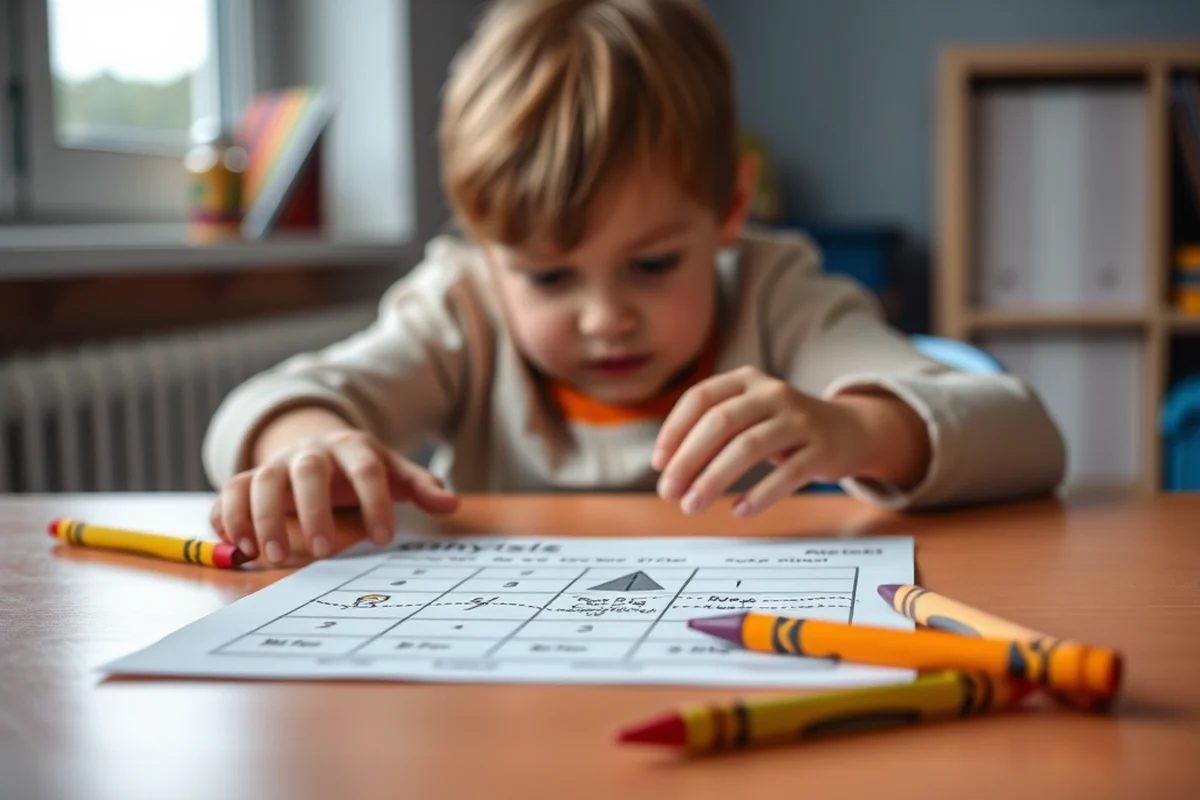
When I first started PE at home, I had no idea where to begin. I tried doing random activities each day, and my kids got bored quickly. But once I implemented a step-by-step PE routine, things changed. I set aside a specific time each day for PE, and I followed a clear structure: warm-up, activity, cool-down. This helped my kids understand what to expect and made it easier to stay on track.
I also found that using a visual schedule helped a lot. I created a simple chart with icons for each part of the routine — a sun for warm-up, a ball for the activity, and a snowflake for cool-down. My kids loved seeing the plan and it made the whole experience more engaging.
A structured PE routine doesn’t need to take up a lot of time. Even 20 minutes a day can make a big difference. The key is to be consistent and to follow a clear plan.[3]
Consistency is the key to success in PE — even small steps can lead to big results.
Related: Teaching Physical Education In Primary School Vs
Related: Physical Education Resources Templates
Related: Teaching Physical Education For Learning (7Th Ed Step By Step
Related: Physical Education What Is Step By Step
Related: Teaching Physical Education In Secondary Schools Step By Step
Related: Physical Education Which Subject Step By Step
Related: Physical Education Resources Benefits
Related: Physical Education Resources Examples
Related: Physical Education Resources Ideas
Choosing the Right Resources for Your PE Program
When I first started, I thought I needed expensive equipment and complicated lesson plans. But after some trial and error, I realized that the best resources are the ones that are simple, flexible, and easy to use. I found that using printable worksheets, YouTube videos, and even apps like Nike Training Club helped make PE more engaging and accessible.
One of the most valuable resources I used was a free printable PE activity calendar. It had weekly themes — like 'Week 1: Balance and Coordination,' 'Week 2: Teamwork and Passing' — and each day had a specific activity to try. This made it easy to plan and keep my kids interested.
I also found that using a mix of online and offline resources was the most effective. For example, a video could show how to do a yoga pose, and then a printable worksheet could reinforce the learning. This combination helped my kids get the most out of each PE session.
Combining digital tools like videos with printable worksheets or activity calendars can help reinforce learning and keep kids engaged.
“When I first started, I thought I needed expensive equipment and complicated lesson plans.”— Teaching Physical Education at Home editors
Related: Teaching Physical Education For Learning Examples
Adapting PE Resources for Different Age Groups
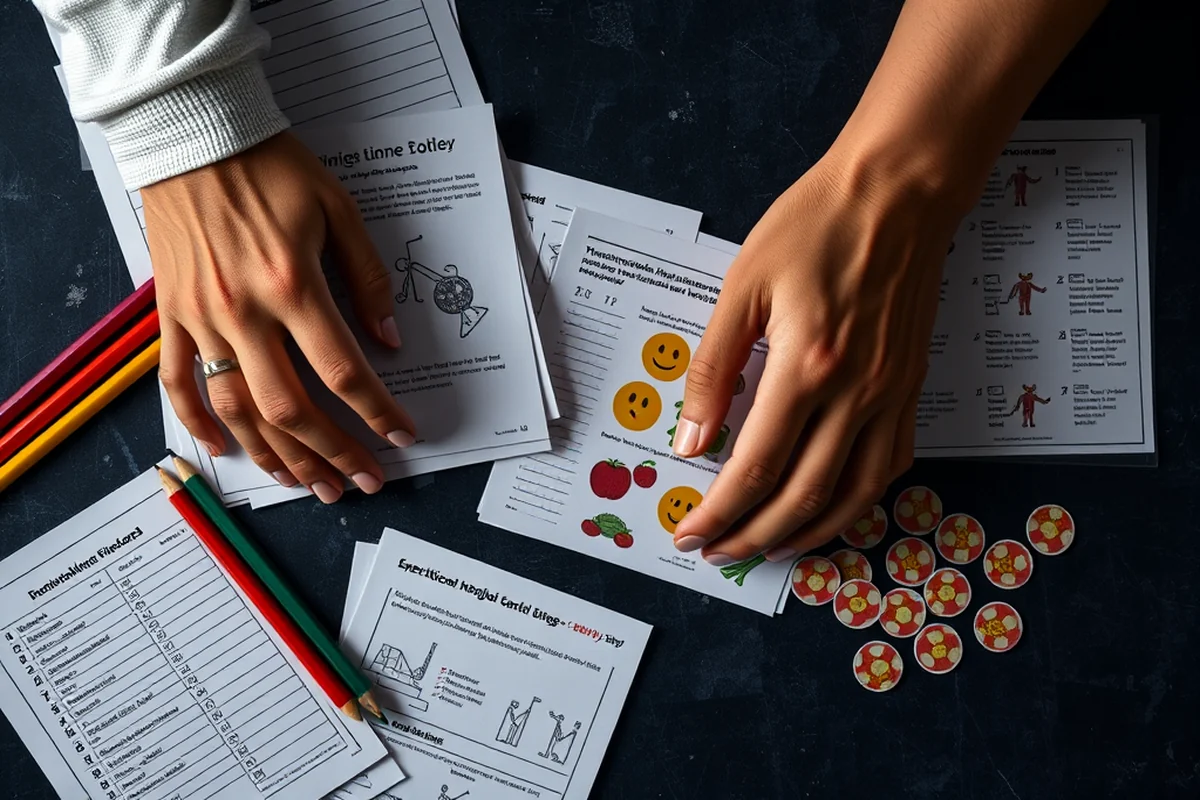
I quickly learned that what works for a 6-year-old might not work for a 10-year-old. So I started looking for physical education resources that could be tailored to different age groups. For younger kids, I focused on basic motor skills like jumping, balancing, and crawling. For older kids, I introduced more complex activities like team sports and advanced yoga poses.[4]
I found that using a printable age guide helped me tailor my PE program. It had different sections for ages 3-6, 7-9, and 10-12, each with specific activities and goals. This made it easier to create a program that was both challenging and appropriate for each age group.[5]
Adapting PE resources for different ages doesn’t have to be complicated. It just requires a bit of planning and an understanding of what each age group needs. With the right approach, even the youngest child can benefit from a structured PE program.
Making the Most of Limited Space and Equipment
When I first started PE at home, I worried about not having enough space or equipment. But I soon realized that you don’t need a lot to create a successful PE program. In fact, I found that using the space we already had — like the living room, kitchen, and even the hallway — was more than enough.
I also learned that simple items like towels, chairs, and even household objects could be used creatively. For example, I used chairs for balance exercises and towels for obstacle courses. This not only saved money but also made the experience more fun and engaging for the kids.
I found that focusing on body weight exercises and using the space creatively was the most effective way to overcome limited equipment. With the right mindset, even the smallest space can become a PE classroom.
Tracking Progress and Setting Goals with PE Resources
One of the things I noticed early on was that my kids lost interest in PE if they didn’t see progress. So I started using a printable PE progress tracker. It had sections for each activity and allowed me to mark off days they completed the task or improved their performance.
I also found that setting small, achievable goals helped keep my kids motivated. For example, I would set a goal of completing a certain number of push-ups in a week or mastering a new yoga pose. This not only kept them engaged but also helped them see how far they had come.
Tracking progress doesn’t have to be complicated. A simple checklist or a visual chart can make a big difference in keeping kids motivated and focused on their goals.
Small goals lead to big achievements — and a printable progress tracker can help you see every step of the way.
Incorporating Technology into Your PE Program
I used to think technology had no place in PE, but I was wrong. In fact, I found that using technology like YouTube videos and PE apps made learning more interactive and fun. For example, I used a YouTube channel that had short videos on different PE activities — from yoga to obstacle courses — and my kids loved following along.
I also used a PE app that had a variety of activities and games. It had a feature where kids could track their progress and earn virtual rewards. This made the experience more like a game and kept my kids excited to participate.
Incorporating technology into your PE program doesn’t require a lot of time or effort. A few minutes of research can lead to a more engaging and interactive PE experience for your kids.
Expert Tips and Advanced Techniques
Incorporate differentiated instruction to cater to varying student abilities and interests, ensuring all learners are challenged and motivated. Use movement-based learning strategies that integrate academic content with physical activity, promoting holistic development.
Advanced techniques such as peer teaching and reflective practice can deepen student understanding and foster leadership skills. Implementing technology like fitness trackers and apps can provide real-time feedback and encourage self-assessment.
Continuous professional development for teachers, including workshops and certifications, ensures they stay updated on best practices and innovative teaching methods. This investment in expertise translates into more effective and engaging physical education programs.
Tools, Materials and Resources
Utilize a variety of equipment such as balls, cones, jump ropes, and resistance bands to support diverse activities and skill development. Digital resources, including interactive fitness games and educational videos, can enhance learning and keep students engaged.
Access to well-maintained facilities, such as gymnasiums, outdoor tracks, and multi-purpose courts, is crucial for delivering a wide range of physical activities. Partnering with local organizations can provide additional resources and funding for equipment and programs.
Curate a comprehensive library of lesson plans, assessment tools, and curriculum guides to support teachers in delivering structured and measurable physical education. Online platforms and professional networks also serve as valuable resources for sharing best practices and innovative ideas.
Troubleshooting and Common Questions
One common challenge in physical education is limited space, which can hinder the implementation of certain activities. To overcome this, educators can use multi-purpose equipment, create flexible activity zones, or incorporate outdoor areas into their lesson plans. Planning ahead and being creative with space can help maximize the learning environment.
Safety concerns are also a frequent issue, especially when dealing with high-impact or contact activities. Teachers should ensure proper supervision, use appropriate protective gear, and implement clear rules and guidelines. Regular maintenance of equipment and conducting safety drills can further reduce risks and create a secure learning atmosphere.
Addressing varying student abilities requires differentiated instruction and inclusive practices. Teachers can use modified activities, group students strategically, and provide individualized support to ensure all students are challenged and engaged. Encouraging peer support and fostering a positive, inclusive culture are also key to managing diverse student needs effectively.
Getting Started: Your First Steps
The first step is to define your objectives for the physical education program. Whether you're aiming to improve student fitness, teach specific sports, or promote overall wellness, having clear goals will guide your planning and resource selection.
Next, gather essential resources such as lesson plans, equipment, and technology tools. Many free and paid resources are available online, and local educational institutions can also be a great source of support and materials.
Finally, create a welcoming and inclusive environment by designing activities that cater to all students. Encourage teamwork, ensure safety, and foster a positive attitude toward physical activity to promote long-term engagement.
👶 Younger Kids (Ages 3-6)
Simplified activities with sensory elements and short, fun routines that build basic motor skills.
👦 Older Kids (Ages 7-12)
More complex activities that promote coordination, teamwork, and advanced physical skills.
⏱️ No-Prep Version
Quick, ready-to-go activities that require no planning or preparation — perfect for last-minute PE sessions.
🤝 Group Version
Activities designed for multiple children, encouraging collaboration and social interaction.
🚀 Extension Version
Advanced activities that challenge kids with more complex skills and higher levels of physical engagement.
| The mistake | Why it happens | The fix |
|---|---|---|
| Trying to teach too many activities at once. | This can overwhelm kids and make them lose interest in the program. | Focus on one activity at a time and build gradually, ensuring that each step is mastered before moving on. |
| Not having a clear structure or routine. | This can lead to confusion and inconsistency in the PE program. | Create a simple schedule or visual plan to guide each PE session and keep kids on track. |
| Using too much technology without a balance. | Over-reliance on technology can reduce physical engagement and make the experience less interactive. | Use technology as a supplement, not a replacement. Combine videos and apps with hands-on activities for a well-rounded PE program. |
| Neglecting to track progress or set goals. | Without progress tracking, it can be hard to see improvements or keep kids motivated. | Use a printable progress tracker and set small, achievable goals to keep your child engaged and focused on their development. |
Physical Education Resources Step By Step
Common Questions
How can I use physical education resources step by step if I don’t have much space at home?
What are some of the best online resources for teaching PE at home?
How can I keep my child motivated during PE sessions at home?
What are the benefits of using physical education resources step by step?
Cite this guide
Teaching Physical Education at Home (2026). Physical Education Resources Step By Step. https://growfromplay.com/physical-education-resources-step-by-step/
Feel free to cite or share this guide.
References
- How to write and publish a research paper in physical education (ccd.ucam.edu)
- Student Physical Education and Physical Activity - CDC (cdc.gov)
- Physical Education Guidelines: Elementary Schools (cde.ca.gov)
- Select Tools and Resources for Schools; Nutrition, Physical Activity ... (dhhr.wv.gov)
- Physical Education (PE) - DoWEA (dodea.edu)
Home PE Lesson Planner
A week of structured PE lessons for home or small groups by age and space.
Open it free →