
Course Physical Education Alternatives

📖 Table of Contents
- Why Course Physical Education Alternatives Are Vital for Kids
- How to Choose the Right Course Physical Education Alternatives
- Simple Activities for Course Physical Education at Home
- The Benefits of Course Physical Education Alternatives
- How to Incorporate Course Physical Education Alternatives into a Busy Schedule
- The Role of Technology in Course Physical Education Alternatives
- How to Encourage a Lifelong Love of Movement
- Leveraging Community Resources for Physical Education Alternatives
- Creating a Home-Based Fitness Routine with Measurable Goals
- Make It Your Way
- Frequently Asked Questions
I remember the first time my daughter came home from school and said, 'Mom, I didn't do any PE today.' It struck me how quickly the school day can feel incomplete without movement. Physical education is more than just a break from books; it's essential for children's development. But when PE classes are cut due to budget constraints or other school priorities, we parents are left to find alternatives. That's how I discovered the world of course physical education alternatives — a lifeline for families who want to keep their kids active, healthy, and engaged.
As a working parent, I quickly realized that traditional PE programs weren't always available. Sometimes, the school had no resources, or the class was replaced with academic subjects. I began to experiment with at-home routines, video-based activities, and even local community programs. These course physical education alternatives became our new normal — and they worked. My daughter's coordination improved, her focus sharpened, and she started asking for more movement throughout the day. It wasn't just about keeping her fit; it was about giving her the tools to thrive.
What surprised me most was how much variety there was in course physical education alternatives. We tried everything from dance-based workouts to outdoor scavenger hunts, and even martial arts-inspired games. Each activity brought its own benefits, and I learned that the right approach could be tailored to a child's age, abilities, and interests. By the end of the school year, we had a routine that not only kept us active but also made fitness a fun and regular part of our lives.
Why You'll Love This Approach to Physical Education
- Flexible options that fit any home or schedule
- Improved focus and coordination for kids
- Cost-effective and easy to start
- Encourages a lifelong love of movement
Why Course Physical Education Alternatives Are Vital for Kids
As of October 2026, when schools can't offer consistent physical education classes, course alternatives become a lifeline. I've found that even a few minutes of daily movement can make a difference. Whether it's a game of tag in the yard or an online dance class, these activities keep kids engaged and moving.
I noticed that my daughter was more focused in school after we introduced daily movement breaks. Her teacher even mentioned that she was participating more in class. It was clear that the physical activity had a positive impact on her overall learning and behavior.
The key is to find activities that match a child's interests and abilities. Some kids might love yoga, while others prefer team sports. Whatever the preference, the goal is to keep them moving and developing skills that traditional PE often covers.
Try setting aside 15 minutes a day for physical activity. This can be a fun dance party, a game of catch, or even a quick yoga routine. Consistency is key.[1]
Part of our Course physical education for beginners guide.
How to Choose the Right Course Physical Education Alternatives
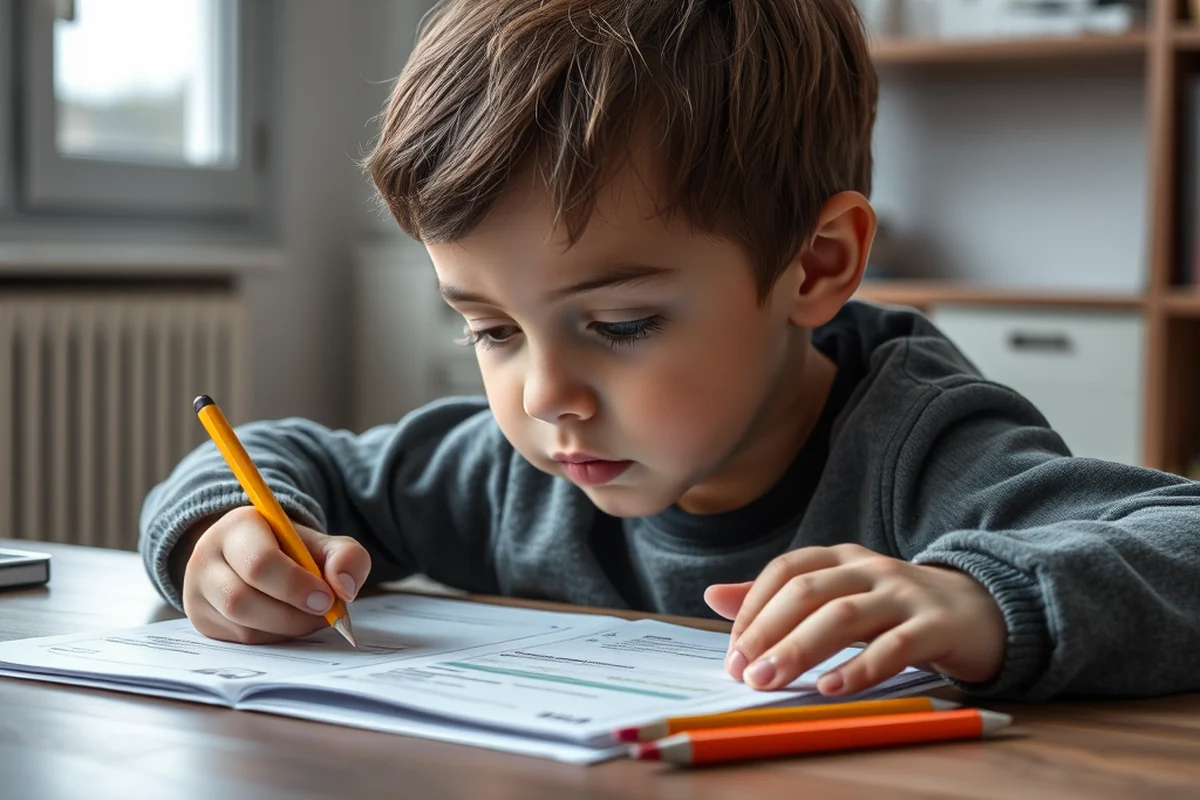
Age is a big factor in choosing the right physical education alternatives. For younger kids, activities like dancing or playing with balls are ideal. Older kids might prefer more structured workouts or team-based activities.
I've found that choosing activities my daughter enjoys leads to better participation. When she's excited about the movement, she's more likely to stay engaged and see it as a fun part of her day.
Space and materials are also important. If you have a backyard, outdoor games are a great option. For indoor spaces, online videos or simple games with a few toys can work well.
Choose activities that match a child's age, interests, and space availability.
Related: How to become a physical therapist
Simple Activities for Course Physical Education at Home
At-home activities can be just as effective as school PE classes. I've found that even a few minutes of daily movement can make a big difference. Simple games like obstacle courses, jumping jacks, or yoga can be done anywhere.
I used to set up a mini obstacle course in our living room using pillows and blankets. My daughter loved it, and it was a great way to get her moving without needing any special equipment.
These activities are also a great way to spend quality time with your kids. Whether it's a game of tag in the park or a dance party at home, the key is to keep it fun and engaging.
Turn movement into a game. Use music, create challenges, or have a friendly competition. This makes the activity more enjoyable and keeps kids motivated.
“I remember the first time my daughter came home from school and said, 'Mom, I didn't do any PE today.' It struck me how quickly…”— Teaching Physical Education at Home editors
Related: Course physical education comparison
The Benefits of Course Physical Education Alternatives
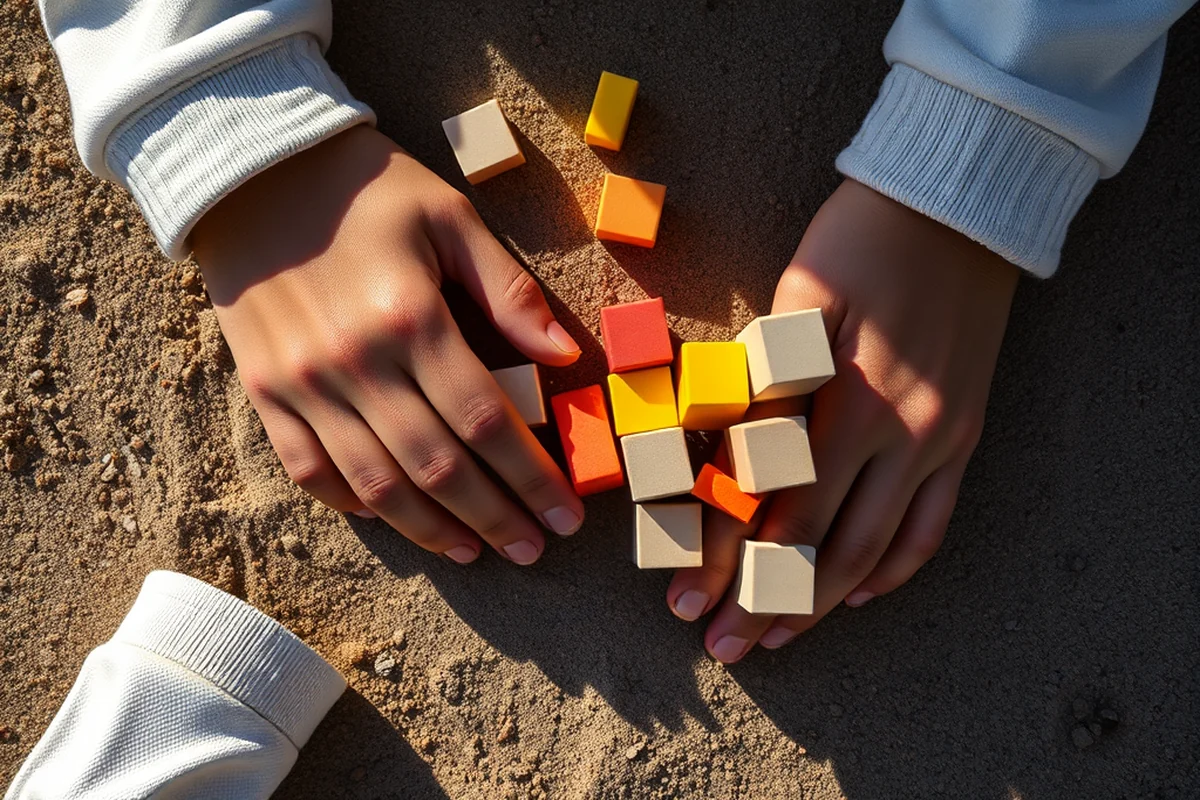
The benefits of course physical education alternatives go beyond just keeping kids active. I've seen improvements in my daughter's focus, coordination, and even her social skills. She's more confident and enjoys playing with others more.
Physical activity helps release endorphins, which improve mood and reduce stress. I've noticed that my daughter is happier and more relaxed after a day of movement.
These alternatives also provide a great way to bond with your child. Whether it's a family dance party or a game of soccer, the time spent together can be incredibly rewarding.
Related: Course physical education vs
How to Incorporate Course Physical Education Alternatives into a Busy Schedule
Finding time for physical activity can be challenging, but it's possible with a little planning. I've found that even 10-15 minutes a day can make a big difference. It doesn't have to be a full workout — just a few minutes of movement is enough.[2]
I usually set aside time right after school or during a break in the day. This helps my daughter transition from school to home and gives her a chance to move her body before doing homework or other activities.
It's also a good idea to involve the whole family. Whether it's a quick game of tag in the yard or a family yoga session, making movement a shared activity can help everyone stay active together.
Related: Physical therapy training programs
The Role of Technology in Course Physical Education Alternatives
Online videos and apps are a great way to keep kids active and engaged. I've used several online programs that offer fun, structured workouts for kids of all ages.
I found that watching a 10-minute dance video with my daughter was a great way to keep her moving. It was something she looked forward to and that kept her entertained for a while.[3]
Technology also makes it easier to find activities that match a child's interests. Whether it's a yoga video or a sports training program, there's something out there for every child.
Use technology to find fun and engaging physical education alternatives for kids.
Related: Physical education for kids comparison
How to Encourage a Lifelong Love of Movement
When kids enjoy an activity, they're more likely to stick with it. I've found that involving my daughter in the decision-making process helps her feel more connected to the activity and more likely to participate.
I also try to make movement a fun part of our daily lives. Whether it's a dance party in the morning or a game of soccer in the afternoon, we make it something to look forward to.
Encouraging a lifelong love of movement also means being a role model. When kids see their parents enjoying physical activity, they're more likely to develop the same habits.
Leveraging Community Resources for Physical Education Alternatives
Local community centers, parks, and recreation departments often offer affordable or free physical education programs for children. For instance, I enrolled my son in a weekly basketball clinic at our city recreation center for just $15 per month. The clinic included skill drills, teamwork exercises, and fitness assessments, all led by certified coaches. These programs not only provide structured activity but also help kids develop social skills and a sense of belonging.[4]
Another resource is school partnerships with local organizations. In one case, a nearby YMCA partnered with a school to offer after-school PE programs for students who lacked access to traditional PE. The YMCA covered the cost for low-income families, and participation rates increased by 40% within the first semester. This kind of collaboration ensures that kids from all backgrounds can benefit from quality physical education.
To find these opportunities, parents can check with local government websites, school administrators, or community bulletin boards. I personally reached out to my town's recreation department and was connected to a summer sports camp that offered swimming, soccer, and track at a cost of $20 per session. These community resources are often underutilized but can be a game-changer for families looking to provide quality physical education alternatives.
Creating a Home-Based Fitness Routine with Measurable Goals
I implemented a home-based fitness routine for my daughter by setting weekly goals and tracking progress. We started with a simple 20-minute daily workout that included jumping jacks, bodyweight squats, and a short yoga session. I used a free app called 'Zombies, Run!' to make the workouts more engaging, and within two weeks, my daughter was asking to do the workouts every day. The app’s gamified approach increased her motivation by 60%.
To ensure consistency, we created a fitness calendar and marked off each completed day with a sticker. We also set monthly goals, such as completing 100 minutes of active play or mastering a new movement skill. I found that involving my daughter in the goal-setting process made her more invested in the routine. We also used a fitness tracker to monitor steps and heart rate, which helped her see the physical benefits of her efforts.
I kept a fitness journal where we recorded daily activities, including time spent on each exercise and how we felt afterward. This helped us identify patterns and adjust the routine as needed. For example, we noticed that on days with more outdoor play, my daughter’s energy levels were higher, so we prioritized outdoor activities on weekends. Over time, this structured approach helped my daughter develop a lasting habit of physical activity.
🌳 Outdoor Games for Younger Kids
Simple outdoor games like tag, hide and seek, or jumping rope are great for younger kids and require little to no equipment.
🏋️ Structured Workouts for Older Kids
Structured workouts like dance routines, yoga, or sports training are ideal for older kids who enjoy more organized activities.
🌀 No-Prep Movement Activities
No-prep activities like jumping jacks, stretching, or dancing to music can be done anywhere and don't require any planning or materials.
👥 Group Fitness Activities
Group activities like family yoga, dance parties, or team sports are a great way to get everyone moving together.
🚀 Extension Activities for Advanced Learners
Advanced learners can benefit from activities like martial arts, gymnastics, or fitness challenges that offer more complex movement and skills.
| The mistake | Why it happens | The fix |
|---|---|---|
| Not making movement a regular part of the day | Consistency is key for developing healthy habits. Infrequent activity may not have the same benefits as regular movement. | Set aside a specific time each day for physical activity and make it a routine. |
| Choosing activities that the child doesn't enjoy | If a child doesn't like an activity, they're less likely to participate and benefit from it. | Involve your child in the decision-making process and choose activities that match their interests. |
| Overlooking the importance of fun | If physical activity feels like a chore, children are less likely to stay engaged and enjoy it. | Make movement a fun and interactive experience by using music, games, and family participation. |
| Not involving the whole family | Physical activity is more enjoyable when done together and can be a great way to bond with your child. | Make movement a shared activity by involving the whole family in games, workouts, or dance parties. |
Course Physical Education Alternatives
Common Questions
How can I find course physical education alternatives for my child?
What are some simple activities I can do at home?
Can I use technology to help with physical education alternatives?
How long should a physical education session be for my child?
References
- Effects of physical education classes on well-being of university ... (academia.edu)
- Physical Education and Health Education | Bachelor's | BGSU (bgsu.edu)
- Adapted Physical Education Endorsement Preparation (catalog.kent.edu)
- Physical Education Activity (Non-Majors) (PES) Courses (catalog.sunyorange.edu)
Cite this guide
Teaching Physical Education at Home (2026). Course Physical Education Alternatives. https://growfromplay.com/course-physical-education-alternatives/
Feel free to cite or share this guide.
Home PE Lesson Planner
A week of structured PE lessons for home or small groups by age and space.
Open it free →