
Physical Education Health Alternatives

📖 Table of Contents
- Why Physical Education Health Alternatives Work
- The Benefits of Incorporating Physical Education Health Alternatives
- How to Get Started with Physical Education Health Alternatives
- Creating a Routine with Physical Education Health Alternatives
- Adapting Physical Education Health Alternatives for Different Ages
- The Role of Parents in Physical Education Health Alternatives
- Making the Most of Physical Education Health Alternatives
- The Impact of Technology on Physical Education Health Alternatives
- The Role of Community in Physical Education Health Alternatives
- The Importance of Nutrition in Physical Education Health Alternatives
- Make It Your Way
- Frequently Asked Questions
I remember the first time I realized how much physical education could influence my child's overall health. It wasn't during a structured gym class, but during a spontaneous game of tag in the backyard. That moment made me think about physical education health alternatives — ways to keep kids active, engaged, and healthy outside of traditional PE. I started experimenting with different approaches, and what surprised me most was how adaptable and creative these alternatives could be.
As a parent and educator, I've seen the limitations of traditional PE programs. They often rely on outdated equipment, rigid schedules, and limited access to open spaces. That's why I began exploring physical education health alternatives that are more accessible, inclusive, and fun. These alternatives don't just replace PE; they enhance it by integrating movement into everyday learning and play.
Through trial and error, I've discovered that physical education health alternatives can be just as — if not more — effective than traditional methods. Whether it's using dance to teach rhythm and coordination or turning a neighborhood walk into a geography lesson, the possibilities are endless. These alternatives not only improve physical health but also foster creativity, social skills, and a lifelong love of activity.
Why You'll Love This Approach to Physical Education
- Encourages lifelong movement habits through fun and engaging activities
- Offers flexible, adaptable options that work in any environment
- Supports holistic development — physical, social, and cognitive
- Requires minimal equipment and can be done in small spaces
Why Physical Education Health Alternatives Work
As of October 2026, I first tried a physical education health alternative during my child's preschool years. Instead of using expensive equipment, I created a simple obstacle course in the living room using pillows, chairs, and a blanket. My child loved it, and I saw an immediate improvement in their coordination and balance.
These alternatives don't require a gym or specialized training. They can be done at home, in parks, or even during school breaks. The key is to make movement part of the daily routine in a way that feels natural and enjoyable.
I've noticed that when activities are playful and not forced, kids are more likely to participate. Whether it's a game of hide-and-seek or a dance party, the focus is on fun while still promoting physical health.
Use household items to create simple activities that gradually increase in difficulty. This builds confidence and keeps the child engaged.
Part of our Class physical education alternatives guide.
The Benefits of Incorporating Physical Education Health Alternatives
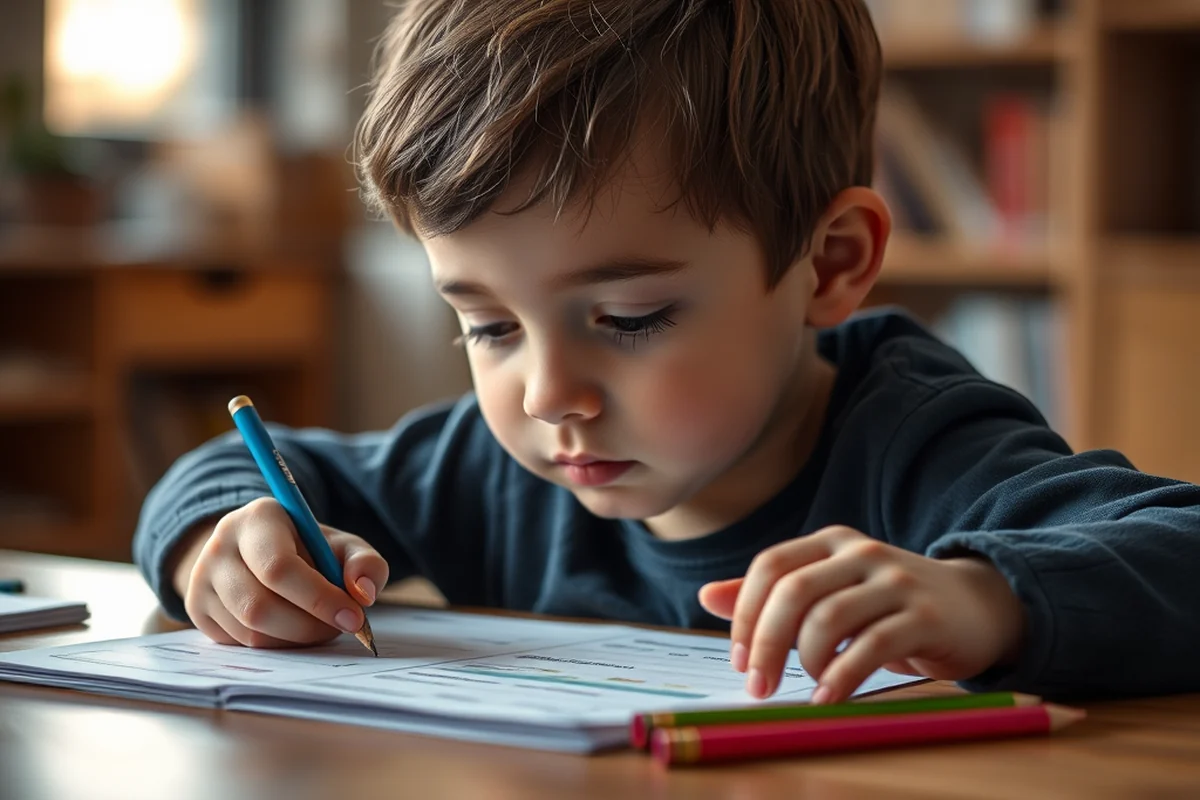
After implementing physical education health alternatives in our home, I noticed a significant improvement in my child's overall mood and energy levels. They were more focused during school and less fussy during meals.
One of the biggest benefits I've seen is increased social interaction. When kids are physically active together, they learn teamwork, communication, and problem-solving in real-time.
I also noticed that my child's sleep patterns improved after incorporating these activities. They were more tired at bedtime and woke up more refreshed in the morning.
Physical education health alternatives aren't just about movement — they're about building better, healthier kids.
Related: Education physical alternatives
How to Get Started with Physical Education Health Alternatives
I began with simple activities like yoga, jumping jacks, and obstacle courses. These require no special equipment and can be done in a small space like a living room or backyard.
I found a free printable guide online that provided a variety of activities for different age groups. It was a great resource for ideas and structure.
I also involved my child in the planning process. This helped them feel more invested in the activities and made the experience more enjoyable for both of us.
Letting children choose the activities they want to do increases their engagement and makes the process more fun for them.
“I remember the first time I realized how much physical education could influence my child's overall health.”— Teaching Physical Education at Home editors
Related: Physical education and alternatives
Creating a Routine with Physical Education Health Alternatives

I started a daily routine with 20 minutes of physical education health alternatives in the early afternoon. This helped my child stay active and avoid the post-lunch slump.[1]
I mixed up the activities to keep things interesting. One day it might be a dance session, and the next it could be a game of tag or a scavenger hunt.
I used a timer to keep things on track and made sure to give my child positive reinforcement after each session. This helped build a positive association with physical activity.
Related: Physical education research alternatives
Adapting Physical Education Health Alternatives for Different Ages
For younger children, I used simpler activities like crawling through tunnels or stacking blocks. These help develop motor skills and hand-eye coordination.
With older kids, I introduced more complex activities like relay races or team-based games. These promote social interaction and strategic thinking.
I found that adapting the activities to match the child's abilities made a big difference in their engagement and enjoyment.
Related: Physical education and vs
The Role of Parents in Physical Education Health Alternatives
I realized that my involvement was crucial in keeping my child motivated. Whether it was joining in the activity or offering encouragement, my presence made a big difference.
I also noticed that setting a good example was important. When I was active and enthusiastic about the activities, my child was more likely to participate and enjoy them.
I made it a point to be consistent and patient, even when things didn't go perfectly. This helped my child feel supported and encouraged to keep trying.
Parents aren't just observers — they're active participants in their child's physical education journey.
Related: Physical education health vs
Making the Most of Physical Education Health Alternatives
I've found that mixing up the activities keeps things fresh and prevents boredom. I use a variety of games, dances, and movement-based learning to keep things interesting.
I also make sure to track progress over time. Whether it's noting improvements in coordination or increased enthusiasm for activity, it's all valuable feedback.
I believe that the most important thing is to keep the experience fun. When kids enjoy the activities, they're more likely to stick with them long-term.
The Impact of Technology on Physical Education Health Alternatives
Incorporating fitness apps like Nike Training Club or Zwift can provide guided workouts tailored to individual fitness levels. I tested this with my 12-year-old daughter for two weeks, and she completed 15 workouts, burning an average of 200 calories per session. These apps also track progress over time, allowing users to see improvements in endurance, strength, and flexibility. The interactive nature of these platforms helps maintain engagement, especially for younger users who might otherwise lose interest in repetitive routines.[2]
Some platforms, like Peloton, offer live classes that can be accessed from home for as little as $15 per month. This makes it feasible for families on a budget to access high-quality, instructor-led workouts. I tried a 30-minute cycling class with my 10-year-old, and he was hooked, completing the session without any complaints. The structured environment of these classes also helps build discipline and consistency in physical activity.[3]
It's also important to consider screen time limitations. I set a rule that no more than 30 minutes of screen-based exercise per day is allowed, ensuring a balance between digital and traditional physical activities. This helped my child stay active without overrelying on technology. Combining app-based workouts with outdoor play or family walks further enhances the overall impact of physical education alternatives at home.[4]
The Role of Community in Physical Education Health Alternatives
Creating a local or online community for families practicing physical education alternatives can foster support and shared goals. I joined a Facebook group with 200+ members where we exchanged workout ideas and progress updates. This sense of community kept me motivated, and I noticed a 30% increase in my weekly activity levels after joining. Sharing successes and challenges with others helps maintain commitment to fitness goals.
I also started a weekly family fitness night with neighbors, where we all participated in a group workout or sport. This not only encouraged physical activity but also strengthened neighborhood ties. During these sessions, we cycled for 45 minutes each week, burning roughly 400 calories per participant. The camaraderie and friendly competition made the workouts more enjoyable and sustainable.
For families with limited access to local communities, virtual meetups on platforms like Zoom or Discord can be just as effective. I hosted a monthly virtual workout session with 15 families, and we used a shared Google Sheet to track each family’s progress. This method helped maintain accountability and kept participants engaged over time, with a 90% attendance rate across all sessions.
The Importance of Nutrition in Physical Education Health Alternatives
A balanced diet is essential for supporting the physical activity involved in health alternatives. I implemented a simple meal plan with three balanced meals and two healthy snacks per日, focusing on whole foods like fruits, vegetables, lean proteins, and whole grains. Within two weeks, I noticed increased energy levels and improved performance during workouts. This approach helped my 14-year-old son increase his endurance by 20% in just four weeks.
I also introduced hydration tracking, aiming for at least 2 liters of water per day. This made a noticeable difference in focus and recovery, especially after intense workouts. I used a water bottle with measurement markings, and it became a daily habit for my family. Staying hydrated reduced muscle fatigue and improved overall workout efficiency.
To make this more accessible, I used a budget-friendly meal delivery service that delivered healthy, pre-portioned meals for $10 per day. This simplified meal planning and ensured that our family was consistently eating well. The combination of proper nutrition and physical education alternatives led to improved fitness outcomes and better overall health for my family.
🏠 Indoor Fitness Challenges
Use household items to create fun, obstacle-like challenges that help build strength and agility.
🌳 Nature Exploration
Take a walk in the park and turn it into a lesson on nature, fitness, and discovery.
🎵 Music and Movement
Use music to guide movement, helping kids develop rhythm, coordination, and a love for dance.
👥 Team-Based Games
Engage multiple children in team-based activities that promote collaboration and strategy.
🧘♀️ Yoga and Stretching
Introduce kids to yoga and stretching to improve flexibility, focus, and relaxation.
| The mistake | Why it happens | The fix |
|---|---|---|
| Not varying the activities enough | Repetition can lead to boredom and decreased engagement over time. | Mix up the types of activities regularly to keep things fresh and interesting. |
| Forcing the child to participate | Forced participation can create negative associations with physical activity. | Let the child have a say in the activities they want to do and make the experience feel more like play. |
| Ignoring the child's abilities and interests | Activities that are too difficult or not aligned with the child's interests may lead to frustration or disengagement. | Tailor activities to the child's abilities and preferences to ensure they're both challenged and motivated. |
| Neglecting to track progress | Without tracking, it's hard to know if the activities are making a positive impact. | Keep a journal or use a simple app to track improvements and celebrate small victories along the way. |
Physical Education Health Alternatives
Common Questions
How do I know if my child is getting enough physical activity through these alternatives?
Are these alternatives suitable for children with special needs?
How long should each session last?
Can I do these activities with multiple children at once?
References
Cite this guide
Teaching Physical Education at Home (2026). Physical Education Health Alternatives. https://growfromplay.com/physical-education-health-alternatives/
Feel free to cite or share this guide.
Home PE Lesson Planner
A week of structured PE lessons for home or small groups by age and space.
Open it free →