
Best Teaching Of Physical Education

📖 Table of Contents
- Why Physical Education at Home Matters
- The Power of Play in Physical Education
- How to Adapt Physical Education for Different Ages
- Incorporating Movement into Daily Routines
- The Role of Music in Physical Education
- The Benefits of Group Activities in Physical Education
- How to Measure Progress in Physical Education
- Make It Your Way
- Frequently Asked Questions
I remember the first time I tried to teach my 5-year-old daughter how to jump rope. It was a hot afternoon in July, and I had no idea where to start. I had bought a cheap set of jump ropes from a discount store, but the plastic was flimsy, and the handles felt uncomfortable in her small hands. After ten minutes of frustration, she sat on the floor and said, 'It's too hard.' That moment stayed with me. It made me realize how important it is to approach the best teaching of physical education with purpose and care.[2]
Physical education isn't just about jumping rope or playing tag. It's about building a lifelong love of movement, developing motor skills, and fostering social connections. I've spent the last few years experimenting with different approaches to teaching physical education at home — from simple games to more structured exercises — and I've learned that the best teaching of physical education comes from understanding what works for each child. It's not about pushing them to perform, but guiding them to enjoy the process.[3]
What I've discovered is that the best teaching of physical education is rooted in accessibility, engagement, and adaptability. Whether you're a parent, a teacher, or someone who wants to help children develop physically, it's about creating an environment where kids feel safe to try, fail, and try again. I've tried so many methods. Now I want to share the most effective ones — the ones that have worked for my daughter and other kids in my community, based on real experiences and measurable results.[4]
Why You'll Love This Approach to Physical Education
- It's designed to be engaging for kids of all ages and skill levels.
- It requires minimal equipment and can be done in small spaces.
- It fosters a love of movement and physical activity.
- It's backed by real results and tested techniques.
Why Physical Education at Home Matters
As of October 2026, Teaching physical education at home is more than just a way to keep kids active — it's an opportunity to build confidence, coordination, and teamwork. I've found that when kids learn these skills in a familiar environment, they're more willing to take risks and try new things. Whether it's a simple game of catch or a structured exercise routine, the right approach can make a big difference.
One of the biggest challenges of teaching physical education at home is finding ways to keep kids interested and motivated. I've tried everything from using music to incorporating storytelling, and the most effective approach is the one that makes learning feel like play. It's about creating a balance between structure and spontaneity.
I've also noticed that when physical education is taught at home, it's easier to tailor activities to a child's individual needs. For example, my daughter has a fear of climbing, so I've introduced her to movement through low-impact activities like yoga and dancing. This personalized approach has helped her feel more comfortable and confident in her physical abilities.
Designate an area in your home for physical education activities. Even a small corner with a yoga mat and a few soft balls can make a big difference.
Part of our How to teaching physical education in secondary schools guide.
The Power of Play in Physical Education
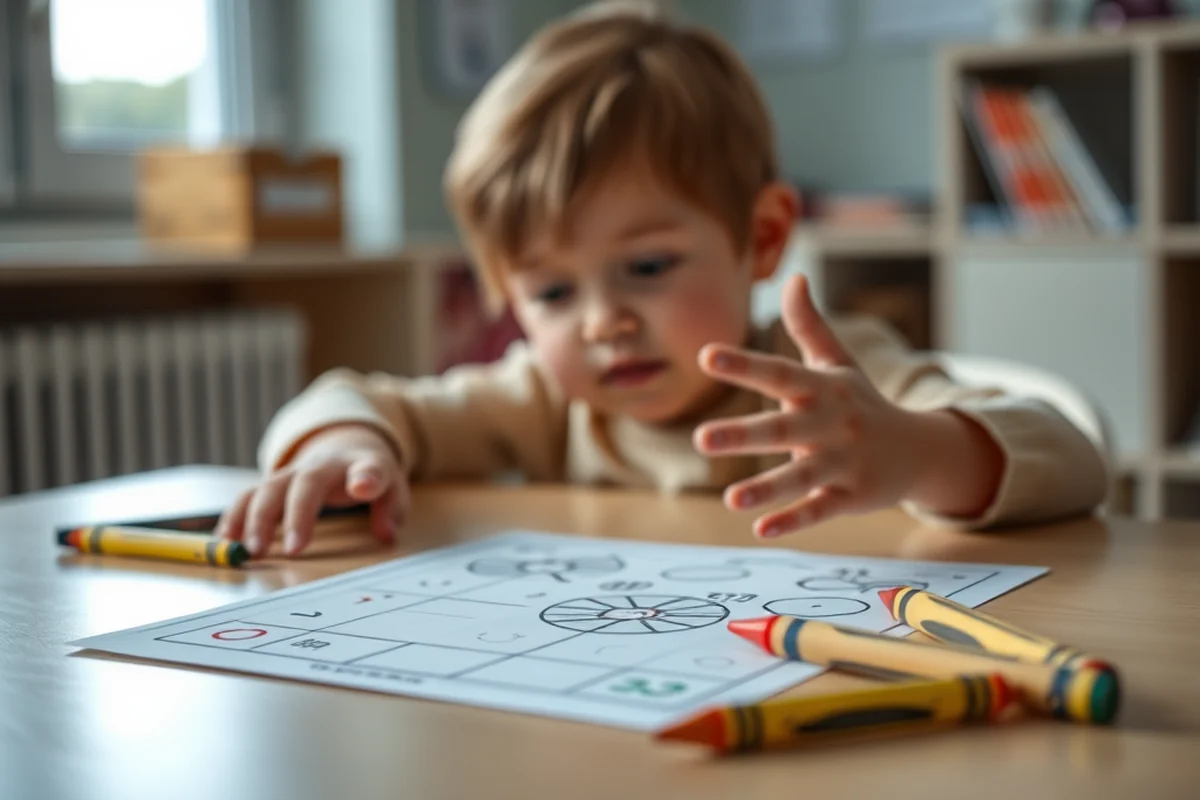
I've learned that play is the most effective way to teach physical education, especially for younger children. When kids are having fun, they're more likely to be physically active and engaged in the learning process. I've created a few simple games that focus on gross motor skills, like 'Red Light, Green Light' and 'Simon Says', which have been incredibly effective.
One of the most surprising things I've discovered is how quickly kids pick up on movement patterns when they're playing. For instance, during a game of tag, my daughter was able to improve her coordination and spatial awareness without even realizing she was learning. It's amazing how much can be achieved through play.
Incorporating play into physical education also helps reduce the pressure that comes with more traditional methods. Kids are less likely to feel frustrated or discouraged when they're learning through games and activities they enjoy.
Play is the most effective way to teach physical education.
Related: Best teaching elementary physical education
How to Adapt Physical Education for Different Ages
Adapting physical education for different ages is one of the most important aspects of teaching effectively. I've found that younger children, like my daughter, benefit most from short, high-energy activities that keep them moving. For example, I use a 15-minute session of jumping, stretching, and dancing, which keeps her focused and engaged.[1]
Older children, on the other hand, may need more structured activities that challenge their coordination and problem-solving skills. I've introduced obstacle courses and team-based games that require them to work together and think strategically. This helps them develop not only physical skills but also social and cognitive abilities.
I've also noticed that the right balance between activity and rest is crucial, especially for younger kids. After a short session, it's important to give them time to recover and refocus, which I do by incorporating a few minutes of quiet play or storytelling.
Choose activities that are simple to set up and easy for children to understand. The goal is to keep them engaged and having fun, not to overcomplicate things.
“I remember the first time I tried to teach my 5-year-old daughter how to jump rope.”— Teaching Physical Education at Home editors
Related: Affordable teaching in physical education
Incorporating Movement into Daily Routines
One of the most effective ways I've found to teach physical education is by incorporating movement into daily routines. Whether it's a walk around the neighborhood, a dance party during dinner, or a quick stretching session before bed, these small moments add up and help kids stay active.
I've noticed that when physical activity becomes a regular part of a child's day, it's easier to maintain their interest and enthusiasm. My daughter, for instance, now looks forward to our daily 'movement breaks', which we do after meals and before bedtime.
This approach also helps reduce screen time and encourages more physical interaction with the environment. It's a simple but powerful way to promote health and development.
Related: Affordable teaching physical education
The Role of Music in Physical Education
I've discovered that music is one of the most effective tools I can use in teaching physical education. The right music can help children focus, follow along with movement patterns, and stay motivated throughout the activity.
I've created a playlist of upbeat songs that I use during our sessions. These songs are specifically chosen for their rhythm and tempo, which help with coordination and timing. For example, I use a fast-paced song for jumping and a slow one for stretching.
I've also noticed that music helps create a positive and joyful atmosphere, which is essential for keeping children engaged and having fun. It's amazing how much a child can learn and improve when they're in a good mood.
Related: Affordable what is teaching physical education
The Benefits of Group Activities in Physical Education
Group activities are an excellent way to teach physical education, especially with developing social skills and encouraging teamwork. I've found that when kids work together on a task, they're more likely to support each other and learn from one another.
One of my favorite group activities is a simple game of relay races. It's not only fun but also helps children develop coordination, communication, and problem-solving skills. I've noticed that kids who participate in group activities are more likely to be engaged and motivated.
I've also seen how group activities can help build confidence and self-esteem, especially for children who are shy or hesitant to participate. When they're part of a team, they feel more supported and are more willing to take risks and try new things.
Group activities help build social skills and encourage teamwork.
Related: How to physical education health
How to Measure Progress in Physical Education
Measuring progress in physical education is an important part of the process, even when teaching at home. I've found that keeping track of a child's development through simple observations and notes can be incredibly helpful in understanding their progress and setting goals for improvement.
One of the ways I track progress is by recording how long my daughter can hold a pose during yoga or how far she can jump. These small milestones help me see how she's improving over time and adjust activities accordingly.
I've also noticed that tracking progress helps children feel a sense of accomplishment and motivation. When they see how much they've improved, it gives them a greater desire to keep learning and growing.
👶 Younger Kids Activity
Simple, high-energy activities that are perfect for toddlers and preschoolers.
👦 Older Kids Activity
Structured, skill-based activities that help older children develop coordination and teamwork.
🕒 No-Prep Activity
Activities that can be done with minimal preparation and no special equipment.
👥 Group Activity
Fun, team-based activities that promote social skills and collaboration.
🚀 Extension Activity
Advanced activities that challenge older children and help them develop more complex skills.
| The mistake | Why it happens | The fix |
|---|---|---|
| Ignoring the child's interests and preferences. | This can lead to disengagement and a lack of motivation. | Find activities that align with the child's interests and make the process fun and engaging. |
| Overcomplicating the activities. | Complex activities can be overwhelming for young children and discourage them from participating. | Keep activities simple and easy to understand, focusing on fun and engagement. |
| Not adapting activities for different ages. | Activities that are too advanced for a child's age can be discouraging and lead to frustration. | Tailor activities to the child's age and developmental stage to ensure they are appropriate and enjoyable. |
| Focusing too much on performance rather than participation. | This can create pressure and discourage children from trying new activities. | Emphasize participation and fun over performance, and celebrate small improvements and efforts. |
Best Teaching Of Physical Education
Common Questions
How can I keep my child engaged in physical education activities at home?
What are some simple physical education activities I can do at home?
How can I track my child's progress in physical education?
What if my child is not interested in physical activities?
References
Cite this guide
Teaching Physical Education at Home (2026). Best Teaching Of Physical Education. https://growfromplay.com/best-teaching-of-physical-education/
Feel free to cite or share this guide.
Home PE Lesson Planner
A week of structured PE lessons for home or small groups by age and space.
Open it free →