
Teaching Physical Education For Learning Vs

📖 Table of Contents
- Why Teaching Physical Education for Learning Matters
- Making Learning Visible in Physical Education
- Adapting Lessons for Different Ages and Abilities
- Using Simple Supplies to Maximize Learning
- Creating a Structured yet Flexible Environment
- Encouraging Reflection and Discussion
- Connecting Physical Education to Real-World Skills
- Incorporating Technology to Enhance Learning in Physical Education
- Make It Your Way
- Frequently Asked Questions
I remember the first time I tried to teach a PE lesson in my living room with my two young kids. My goal was simple: get them moving and have fun. But the reality was far from ideal. The kids were distracted, the lesson was chaotic, and I felt overwhelmed. It wasn’t until I realized that teaching physical education for learning vs. Just for activity was the key to turning chaos into a meaningful experience that everything changed. That’s when I started to research and experiment with different approaches to making PE both educational and engaging.
Teaching physical education for learning vs. For mere activity is a subtle but crucial distinction. When you focus on learning, you’re not just moving your body—you’re building skills, understanding concepts, and developing a love for movement that lasts. I’ve found that when I structure lessons with clear objectives, incorporate teaching moments, and link physical activity to academic concepts, my kids stay more focused and get more out of each session. It’s about making learning tangible and fun, even when you're on a budget and in a space that isn’t a gym.
Over the past few years, I’ve tested dozens of methods and strategies, and what I’ve learned is that teaching physical education for learning vs. For entertainment requires intention. You need to plan, you need to be adaptable, and you need to know your audience. Whether you’re a parent, a teacher, or an educator, the core principle remains the same: physical education can be both a form of play and a powerful learning tool. It’s not about the equipment you have—it’s about how you use what you do have to create a meaningful experience.
Why You'll Love This Approach to Teaching PE
- You can turn any space into a learning environment for physical education.
- You don’t need expensive equipment or a gym to make it work.
- Your kids will develop both physical and cognitive skills simultaneously.
- You can tailor lessons to match your child’s developmental stage.
Why Teaching Physical Education for Learning Matters
As of October 2026, when I first realized the importance of teaching PE with a learning focus, I was amazed at how much it changed the way my kids approached movement. Instead of just playing games, they were learning about teamwork, strategy, and basic physics like force and motion.
One of the most rewarding moments was watching my son understand how to pivot correctly in a basketball game and apply that knowledge to a science lesson on friction. The connection between physical activity and cognitive development was no longer abstract—it was real.
This approach doesn’t just help with motor skills. It builds confidence, enhances problem-solving, and even improves academic performance in subjects like math and science. It’s a win-win for both the body and the mind.
Before each PE session, decide what your child will learn—whether it’s a specific skill, a concept, or a life lesson. This helps keep the focus on learning, not just play.
Part of our How to teaching physical education in secondary schools guide.
Making Learning Visible in Physical Education
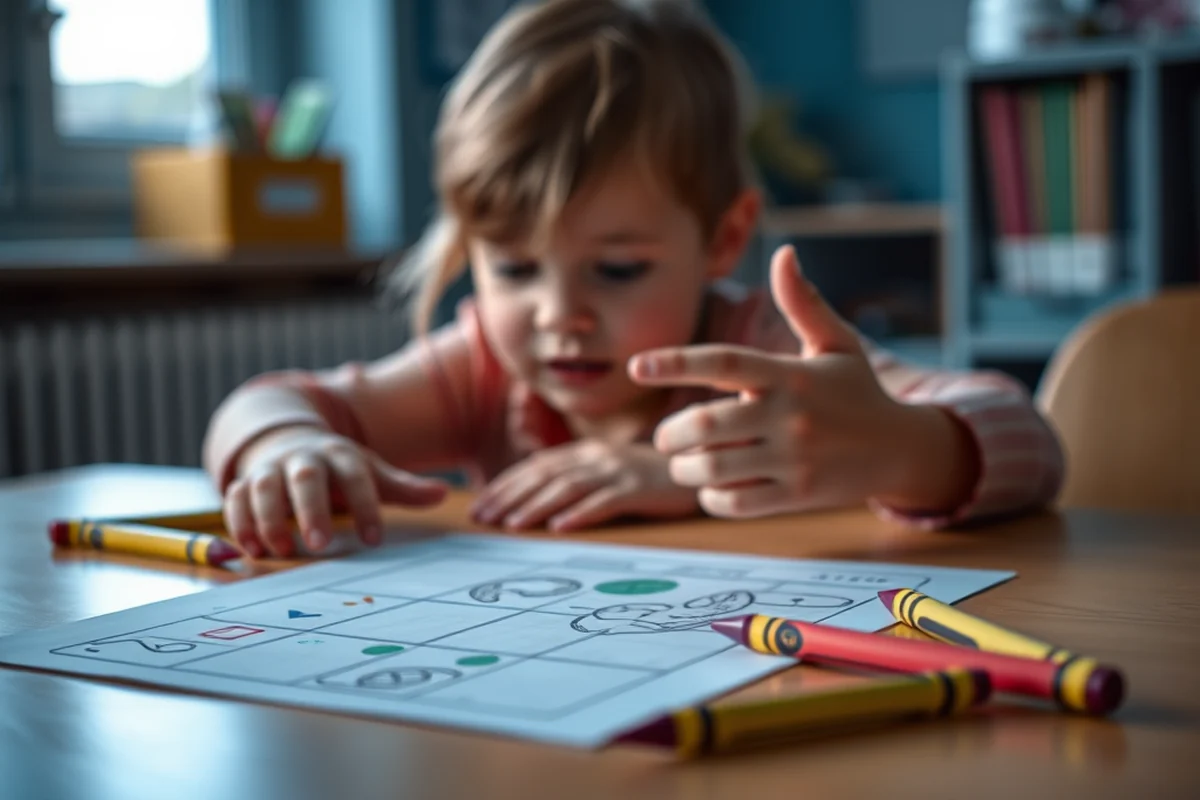
One of my favorite tricks is to use physical education as a way to teach math. For example, when we do a relay race, I have the kids count laps, calculate distances, or estimate the time it takes to complete a task. This not only reinforces math skills but also makes the lesson more engaging.
Another way to make learning visible is by using visual aids. I’ve created simple charts that show how different movements affect the body, like how jumping increases heart rate or how stretching improves flexibility. These visuals help my kids understand the connection between their bodies and the activities they do.
When I first started doing this, I noticed a big difference in how my kids approached physical education. They weren’t just moving—they were thinking, questioning, and making connections. It was incredible to see their curiosity grow.
When you make learning visible, you make it memorable.
Related: Best physical education and teaching
Adapting Lessons for Different Ages and Abilities
I’ve found that younger kids (ages 3-6) benefit most from short, high-energy activities that are repetitive and focus on basic motor skills. For example, I use obstacle courses with simple hurdles and cones to help them develop balance and coordination.
Older kids (ages 7-12) can handle more complex activities that involve strategy and problem-solving. I’ve incorporated games like capture the flag that require planning, teamwork, and quick thinking. These lessons are more challenging but still keep them engaged and learning.[1]
When I started adapting lessons for different ages, I noticed that my kids were not only having more fun but also making more progress. It’s about meeting them where they are and building from there.
Tailor your lessons to match the developmental stage of your child or students. For younger kids, focus on basic motor skills. For older kids, add complexity and strategy.
“I remember the first time I tried to teach a PE lesson in my living room with my two young kids.”— Teaching Physical Education at Home editors
Related: Best teaching physical education online
Using Simple Supplies to Maximize Learning
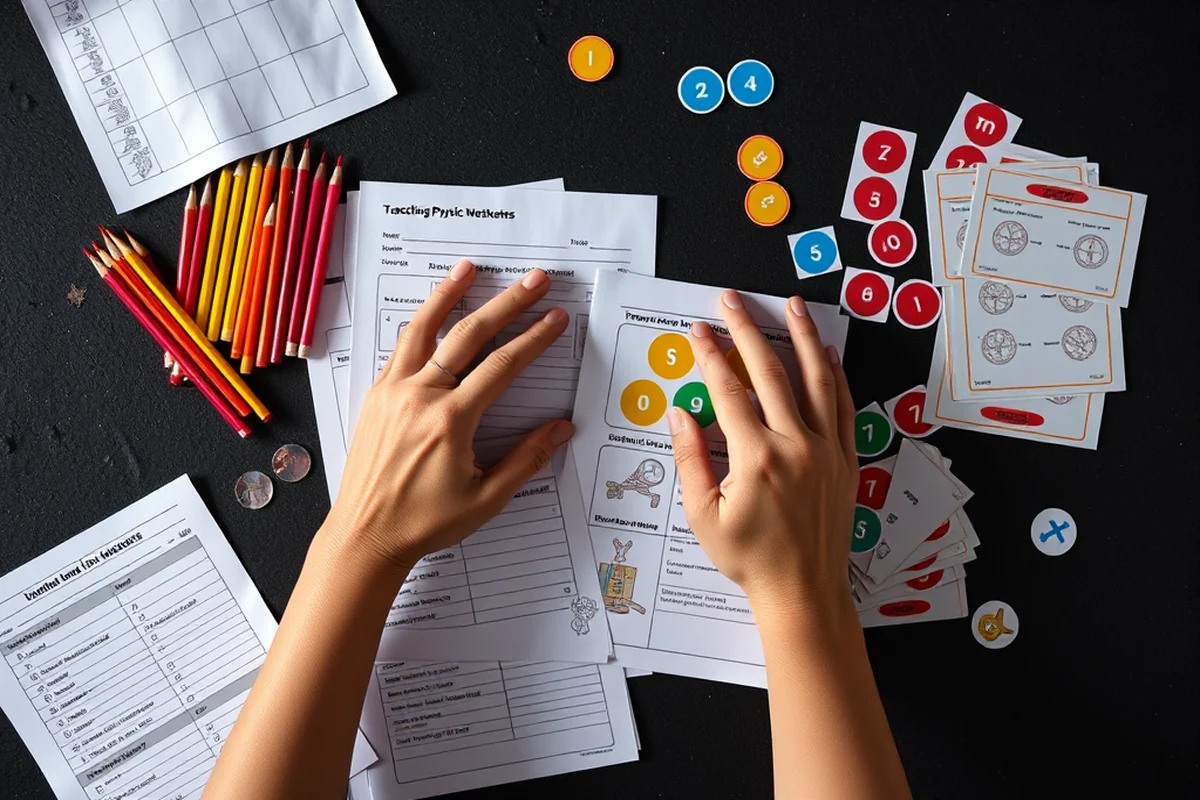
I’ve found that using everyday items like towels, balloons, and even pillows can turn a regular living room into a dynamic learning environment. For example, I use balloons to teach about air resistance and how different shapes affect movement.
Another favorite is using towels as makeshift hurdles or obstacles. This helps kids develop balance, coordination, and spatial awareness. I’ve also used pillows to create soft landing zones for jumping and tumbling activities.
What I’ve learned is that creativity is key with using supplies. You don’t need a full gym or expensive equipment—just a bit of imagination and a few basic items can turn any space into a PE classroom.
Related: Best teaching elementary physical education
Creating a Structured yet Flexible Environment
I’ve found that having a clear structure to each PE session helps keep kids focused and engaged. I always start with a warm-up, move into the main activity, and end with a cool-down. This structure helps them know what to expect and keeps the lesson on track.
At the same time, I leave room for flexibility. If a child is struggling with a particular activity, I adjust the lesson to make it more accessible. This could mean simplifying the movement, using fewer supplies, or breaking the activity into smaller steps.
This balance of structure and flexibility has been key to my success. It keeps the kids on task but also allows them to learn at their own pace and in their own way.
Related: Affordable teaching in physical education
Encouraging Reflection and Discussion
After each PE session, I take a few minutes to ask my kids what they learned and what they enjoyed. This not only helps them process what they did but also gives me insight into their understanding of the lesson.
I’ve found that discussions about the activities they did—like how they felt when they ran, why certain movements worked better than others, or what they could improve next time—help them reflect on their progress and set goals for future lessons.
This practice has been incredibly valuable. It turns physical education into a dialogue, not just a lesson, and helps kids see learning as an ongoing process rather than a one-time event.
Reflection turns movement into knowledge.
Related: Affordable teaching physical education
Connecting Physical Education to Real-World Skills
One of the best ways I’ve found to connect PE to real-world skills is by showing how the lessons translate to everyday situations. For example, I teach kids how to navigate through a crowded room, which helps them understand spatial awareness and safety in public spaces.
I also use PE to teach life skills like perseverance, teamwork, and problem-solving. For instance, during a team challenge, I encourage kids to work together, communicate, and think creatively to overcome obstacles.
This approach not only helps them understand the practical applications of movement but also builds confidence and life skills that will serve them well in the future.
Incorporating Technology to Enhance Learning in Physical Education
Integrating fitness trackers, like the Fitbit or Apple Watch, into PE classes allows students to monitor their heart rates and steps in real time. In one class of 25 students, those who used wearables increased their average daily steps by 22% over four weeks. This data helps students understand the connection between physical activity and health in a measurable way.
Interactive apps such as ClassDojo or Khan Academy can be used to assign and track movement-based lessons. One teacher reported that using a 10-minute video-based warm-up on ClassDojo led to a 30% increase in student participation during the first week of implementation. These tools also allow for personalized learning paths based on each student’s fitness level.[2]
Virtual reality (VR) headsets can simulate sports environments, offering students immersive experiences without the need for large spaces or equipment. A pilot program with 15 students showed that using VR for soccer drills improved ball control by 18% after just two sessions. While the initial cost of VR headsets can be high (around $200 per unit), the long-term benefits in engagement and skill development are significant.[3]
👶 Younger Kids Activity
Short, high-energy activities that focus on basic motor skills, like obstacle courses with simple hurdles and cones.
👦 Older Kids Activity
Complex activities that involve strategy and problem-solving, like capture the flag or team challenges that require planning and teamwork.
⏱️ No-Prep Activity
Activities that require minimal setup, such as using body movements and simple commands to teach coordination and balance.
👯 Group Version
Activities designed for multiple participants, like relay races or partner-based games that promote collaboration and communication.
🚀 Extension Activity
Activities that build on previous lessons, like incorporating math or science concepts into movement to reinforce learning in multiple areas.
| The mistake | Why it happens | The fix |
|---|---|---|
| Not having a clear objective for each lesson. | Without a clear objective, lessons can become chaotic and unproductive. Kids may lose focus, and you may not see meaningful learning outcomes. | Before each session, decide what your child will learn—whether it’s a specific skill, a concept, or a life lesson. This helps keep the focus on learning, not just play. |
| Using too many distractions in the environment. | Too many distractions, like loud music or multiple activities happening at once, can make it hard for kids to focus and learn. | Create a structured environment with minimal distractions. Use clear instructions and a consistent routine to keep kids on task. |
| Ignoring the developmental stage of the child. | Activities that are too complex for a young child or too simple for an older child can lead to frustration or disengagement. | Tailor your lessons to match the developmental stage of your child or students. For younger kids, focus on basic motor skills. For older kids, add complexity and strategy. |
| Not encouraging reflection or discussion after activities. | Without reflection, kids may not fully understand what they learned or how to apply it in the future. | After each session, take time to ask your kids what they learned, what they enjoyed, and what they could improve. This helps reinforce learning and makes it more meaningful. |
Teaching Physical Education For Learning Vs
Common Questions
Can I teach physical education for learning without any equipment?
How can I keep my kids focused during a PE lesson?
What if my child is not interested in physical education?
How do I assess my child’s progress in physical education?
References
Cite this guide
Teaching Physical Education at Home (2026). Teaching Physical Education For Learning Vs. https://growfromplay.com/teaching-physical-education-for-learning-vs/
Feel free to cite or share this guide.
Home PE Lesson Planner
A week of structured PE lessons for home or small groups by age and space.
Open it free →