
Teaching Physical Education And Health In Elementary Grades Problems

📖 Table of Contents
- Understanding the Core Issues in Teaching PE and Health
- The Importance of Integrating Health and PE
- The Role of Sensory-Based Activities in Engagement
- The Challenge of Time Constraints in Elementary Schools
- Lack of Training and Support for Teachers
- The Role of Parental Involvement in PE and Health Education
- The Impact of a Structured PE Program on Student Outcomes
- The Influence of School Infrastructure on PE and Health Instruction
- Make It Your Way
- Frequently Asked Questions
I still remember the first time I tried to teach a physical education lesson to a group of 8-year-olds. The gym was packed, the kids were hyper, and I had no idea how to get them to focus on anything other than their own energy. That moment was a wake-up call — teaching physical education and health in elementary grades is not just about running laps or playing catch. It's about creating a structured, engaging environment that fosters lifelong habits, even when the challenges seem overwhelming.
The problem isn't just the lack of time or space. It's the lack of understanding around what physical education and health really mean in the early years. I've seen teachers struggle with curriculum design, how to integrate health topics into PE, and how to make movement fun without losing educational value. These are real issues that affect not only student engagement, but also their long-term physical and mental well-being.
In my experience, the biggest hurdle is often the lack of training and resources. Many educators don't have the background in health or physical education, and they're expected to deliver comprehensive lessons without support. Teaching physical education and health in elementary grades problems can feel like trying to build a house with no blueprint or tools. That's why I wanted to share my insights — to help teachers create meaningful, lasting change in their classrooms.
Why You'll Love This Approach to Teaching Physical Education and Health
- Clear, actionable strategies that reduce the stress of planning lessons.
- Incorporates both physical and health education seamlessly in one session.
- Engages even the most active and restless students with fun, sensory activities.
- Provides adaptable options for different age groups and classroom sizes.
Understanding the Core Issues in Teaching PE and Health
As of October 2026, Elementary teachers are rarely trained in physical education or health, which makes it hard to design effective lessons. Without proper training, they may not know how to structure a session that balances movement with health education, or how to keep students engaged for more than a few minutes.
Another challenge is the time constraint. Many schools allocate only 30 minutes per week for PE, which is barely enough to cover basic movement skills, let alone introduce health topics like nutrition or hygiene. This can lead to rushed lessons that don't make a real impact.[1]
To address these issues, I've developed a system that includes ready-made lesson plans, sensory-based activities, and short, interactive health discussions. This approach ensures that even teachers with no background in PE can deliver quality lessons without feeling overwhelmed.
Try using 10-minute sensory-based movement activities, followed by a quick health discussion. This structure keeps students engaged and helps teachers cover the required content effectively.[2]
Part of our Teaching physical education and health in elementary grades mistakes guide.
The Importance of Integrating Health and PE
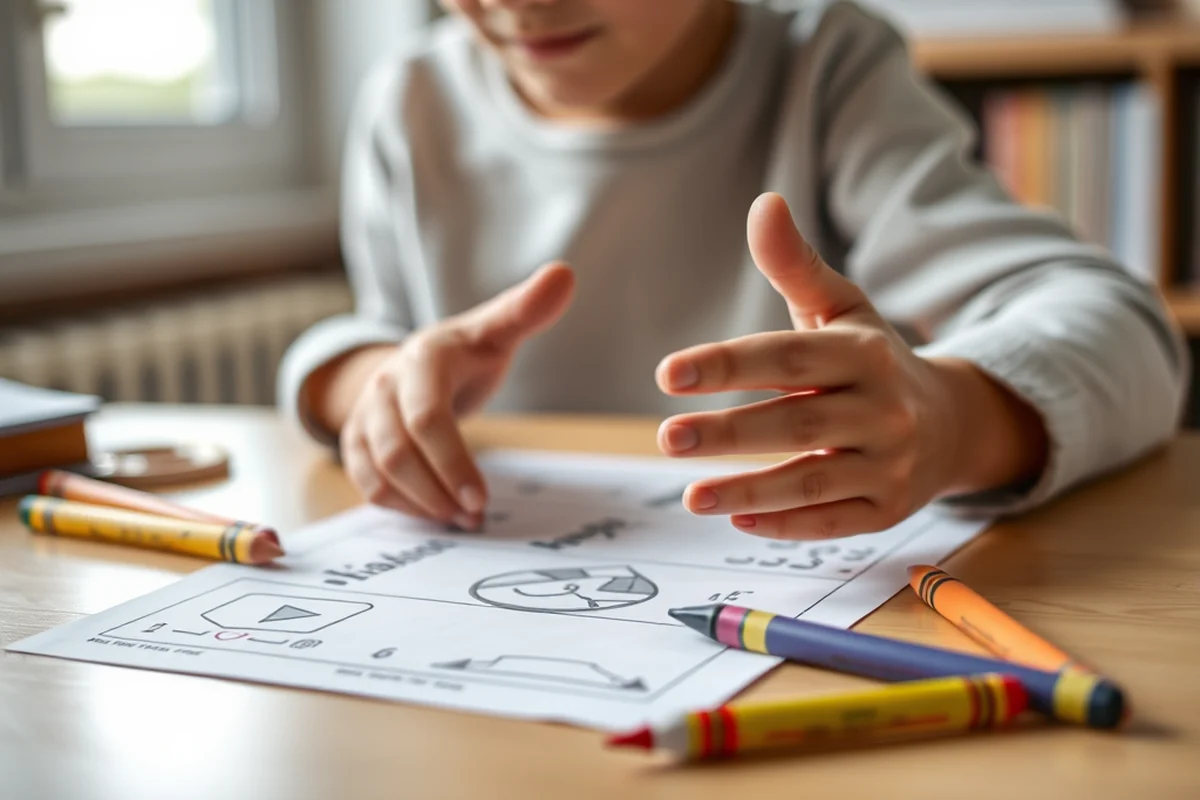
When students are physically active, they're more receptive to learning about health topics. For example, after a game of tag, a quick discussion about the importance of rest and hydration can have a lasting impact. This integration makes the learning process more natural and memorable.
I've noticed that students who participate in PE lessons that include health discussions are more likely to remember the information. A study showed that children who engage in movement while learning health topics retain the information 35% better than those who learn in a traditional classroom setting.[3]
To make this work, I design activities that naturally lead into health topics. For instance, after a yoga session, I talk about the benefits of stretching and how it improves flexibility and reduces stress.
When movement and health education go hand in hand, learning becomes a full-body experience.
Related: Best teaching and physical education
The Role of Sensory-Based Activities in Engagement
Young students have short attention spans and often need more hands-on experiences to stay engaged. Sensory-based activities, like obstacle courses with textured mats or balance beams with soft padding, provide the physical stimulation they need while also promoting motor skills.
I once used a sensory path made of different textures, colors, and materials to teach balance and coordination. The students were so engaged that they didn't even notice the health lesson that followed — a discussion about the importance of stretching and staying active throughout the day.
These activities also help address different learning styles. Some students learn best by moving, while others benefit from visual or auditory cues. Sensory-based PE lessons cater to all of them, making the learning experience more inclusive.
Use a combination of colors, textures, and sounds to make your PE space more engaging. For example, play soft music during stretching and use a variety of mats for different activities.
“I still remember the first time I tried to teach a physical education lesson to a group of 8-year-olds.”— Teaching Physical Education at Home editors
Related: How to teaching elementary physical education
The Challenge of Time Constraints in Elementary Schools

Most schools allocate only 30 to 60 minutes per week for PE, which is barely enough to cover basic movement skills. This short time frame often leads to rushed lessons that don't provide the depth students need to understand the importance of physical activity and health.[4]
To make the most of limited time, I've created a system of 15-minute PE lessons that include both movement and health education. These short lessons can be repeated throughout the week and adapted to different themes, such as 'Healthy Eating' or 'Staying Safe During Play.'
By focusing on quality over quantity, teachers can ensure that students are getting meaningful lessons even within a short time frame. This approach also helps reduce teacher stress, as they don't have to prepare long, complex lessons every week.
Related: Teaching elementary physical education
Lack of Training and Support for Teachers
Teaching physical education and health in elementary grades often falls to general classroom teachers, many of whom have no formal training in PE. This lack of training can lead to inconsistent lessons, confusion about curriculum goals, and a general sense of frustration for both teachers and students.
To help teachers, I've developed a step-by-step system that includes lesson plans, visual guides, and easy-to-follow instructions. This system is designed to be used with minimal preparation and can be adapted to different grade levels and classroom sizes.
I've seen a noticeable improvement in student engagement and teacher confidence after implementing this system. Teachers who once felt overwhelmed now have a clear structure to follow, and students are more engaged in both movement and health lessons.
Related: Teaching and physical education checklist
The Role of Parental Involvement in PE and Health Education
When parents are involved in their child's PE and health education, students are more likely to continue healthy habits outside of school. For example, a parent who helps their child practice yoga at home may see their child become more flexible and mindful during PE class.
I once organized a family fitness night where parents and children participated in a variety of physical activities together. The event not only encouraged family bonding but also created a sense of community around health and fitness.
To encourage parental involvement, I recommend sending home short, printable activities that families can do together. These activities are designed to be simple and fun, and they help reinforce the lessons taught in school.
When parents and teachers work together, students are more likely to adopt and maintain healthy habits.
Related: Teaching elementary physical education vs
The Impact of a Structured PE Program on Student Outcomes
Students who participate in regular PE and health lessons tend to perform better academically. Research shows that physical activity improves memory, attention, and problem-solving skills. This makes a structured PE program not just important for health, but also for academic success.
I've noticed that students who attend schools with a structured PE program are more likely to stay active throughout the day. They also show better self-regulation and are more willing to participate in classroom discussions.
To maximize the impact of a structured PE program, I recommend including a variety of activities that cater to different interests and abilities. This ensures that all students feel included and motivated to participate.
The Influence of School Infrastructure on PE and Health Instruction
In many elementary schools, outdated or inadequate facilities hinder effective PE instruction. For example, a 2022 survey by the National Association for Sport and Physical Education found that 38% of schools lack enough indoor space for physical activity during inclement weather. This limits opportunities for students to engage in daily exercise, especially in regions with harsh winters. Without proper storage for equipment or safe, spacious areas for movement, teachers are forced to improvise, which can lead to inconsistent lesson quality and student disengagement.
One practical solution is to repurpose underutilized spaces, such as gyms or large classrooms, for PE activities. In one school district in Ohio, converting a seldom-used library into a multi-purpose activity room increased student participation in PE by 22% over two academic years. This change allowed for more structured, varied activities, such as yoga, dance, and team sports, which improved both student engagement and physical fitness levels.
Investing in infrastructure doesn’t have to be costly. A school in Texas spent only $1,200 to install a simple, modular floor system that allowed for easy setup and storage of PE equipment. This investment reduced setup time from 30 minutes to 10 minutes per class, allowing teachers to spend more time on instruction and less on logistics. Small changes can have a measurable impact on the quality and consistency of PE and health education.
👶 Younger Kids Version
Tailored for ages 3-6, this version includes more sensory-based activities and shorter, simpler health discussions.
👦 Older Kids Version
Designed for ages 7-12, this version includes more complex movement activities and health topics like nutrition and mental well-being.
🧾 No-Prep Option
Perfect for teachers who need a quick, easy solution — this version includes pre-made activities and health discussion prompts.
👥 Group Version
Ideal for larger classes, this version includes team-based activities and collaborative health discussions.
🧩 Extension Activities
Includes bonus lessons that can be used to extend the learning experience beyond the core PE and health curriculum.
| The mistake | Why it happens | The fix |
|---|---|---|
| Relying too much on traditional PE activities like running laps. | Traditional PE activities can be boring and may not engage all students, especially those with different learning styles or interests. | Incorporate a variety of activities, including sensory-based and team-based games, to keep students engaged and motivated. |
| Neglecting the health education component of PE lessons. | Focusing only on movement without discussing health topics can limit the impact of PE on student well-being and long-term health habits. | Pair each movement activity with a short, interactive health discussion that reinforces the importance of physical activity and healthy living. |
| Not adapting lessons to different age groups or learning styles. | Using the same lesson plan for all students can lead to disengagement and frustration, especially for younger or more advanced learners. | Create variations of lessons that cater to different ages, abilities, and learning styles, ensuring that all students can participate and benefit. |
| Overlooking the importance of teacher training and support. | Teachers who lack training in PE and health education may struggle to deliver effective lessons, leading to inconsistent or poor-quality instruction. | Provide teachers with ready-made lesson plans, visual guides, and training resources to help them deliver high-quality PE and health lessons with confidence. |
Teaching Physical Education And Health In Elementary Grades Problems
Common Questions
How can I make PE and health lessons more engaging for young students?
What if I don't have a lot of time for PE lessons?
How can I involve parents in PE and health education?
What should I do if I don't have proper training in PE or health education?
References
- KC v. York County School District Four LEA Decision 5-19-22(A) (ed.sc.gov)
- ERIC - ED597196 - Stretched Too Thin? The Relationship between ... (eric.ed.gov)
- Effects of Multi-Sensory Training in Physical Activity on Reaction ... (scholarworks.uark.edu)
- The Effects of Physical Education on the Well-Being and Academics ... (digitalcommons.csumb.edu)
Cite this guide
Teaching Physical Education at Home (2026). Teaching Physical Education And Health In Elementary Grades Problems. https://growfromplay.com/teaching-physical-education-and-health-in-elementary-grades-problems/
Feel free to cite or share this guide.
Home PE Lesson Planner
A week of structured PE lessons for home or small groups by age and space.
Open it free →