
Physical Education Of Students Alternatives

📖 Table of Contents
- What Are Physical Education of Students Alternatives?
- The Benefits of Physical Education of Students Alternatives
- How to Choose the Right Physical Education of Students Alternatives
- Creating a Routine with Physical Education of Students Alternatives
- Incorporating Technology in Physical Education of Students Alternatives
- The Role of Parents and Teachers in Physical Education of Students Alternatives
- Measuring the Success of Physical Education of Students Alternatives
- Addressing Barriers to Physical Education Access in Rural and Urban Areas
- Make It Your Way
- Frequently Asked Questions
I still remember the first time my daughter’s school canceled PE class for the week. I was caught off guard, unsure how to fill the time without the structured activity she needed. It was then that I realized the importance of finding physical education of students alternatives. After experimenting with different options at home, I discovered that there are countless ways to keep kids active and engaged, even outside the traditional gym setting.
Physical education of students alternatives isn’t just a backup plan—it’s a way to expand their horizons. From backyard obstacle courses to dance parties, these activities can be just as effective, if not more so, than traditional PE classes. It took a few weeks to figure out what worked best for us, but the results were clear: my daughter was more motivated, and her energy levels were higher.
I’ve tested dozens of physical education of students alternatives, and the ones that stuck were the ones that felt like play. Whether it was a game of tag or a yoga session on the living room floor, the key was making it fun. I’ve learned that movement doesn’t have to be rigid or confined—it can be spontaneous, creative, and tailored to the child’s interests.
Why You'll Love This Approach to Physical Education
- Encourages creativity and spontaneous movement.
- Requires no special equipment or gym access.
- Can be tailored to any age or fitness level.
- Builds confidence and physical skills through fun.
What Are Physical Education of Students Alternatives?
As of October 2026, Physical education of students alternatives include activities like dance, martial arts, yoga, and even nature-based play. These alternatives are particularly useful in schools that lack proper PE facilities or during times when traditional PE is unavailable.
I’ve found that even a simple game of tag in the backyard can serve as an excellent alternative. It’s not only low-cost but also highly adaptable for different ages and fitness levels. When we first started, we used a basic set of cones and a timer, and the kids loved it.
One of the best aspects of physical education of students alternatives is their flexibility. Whether you’re a parent, teacher, or student, you can customize these activities to fit your needs. For instance, I’ve used a set of printable cards with movement challenges that the kids can do alone or in groups.
Use household items like pillows, water bottles, or even a hula hoop to create simple physical education of students alternatives.
Part of our Class physical education alternatives guide.
The Benefits of Physical Education of Students Alternatives
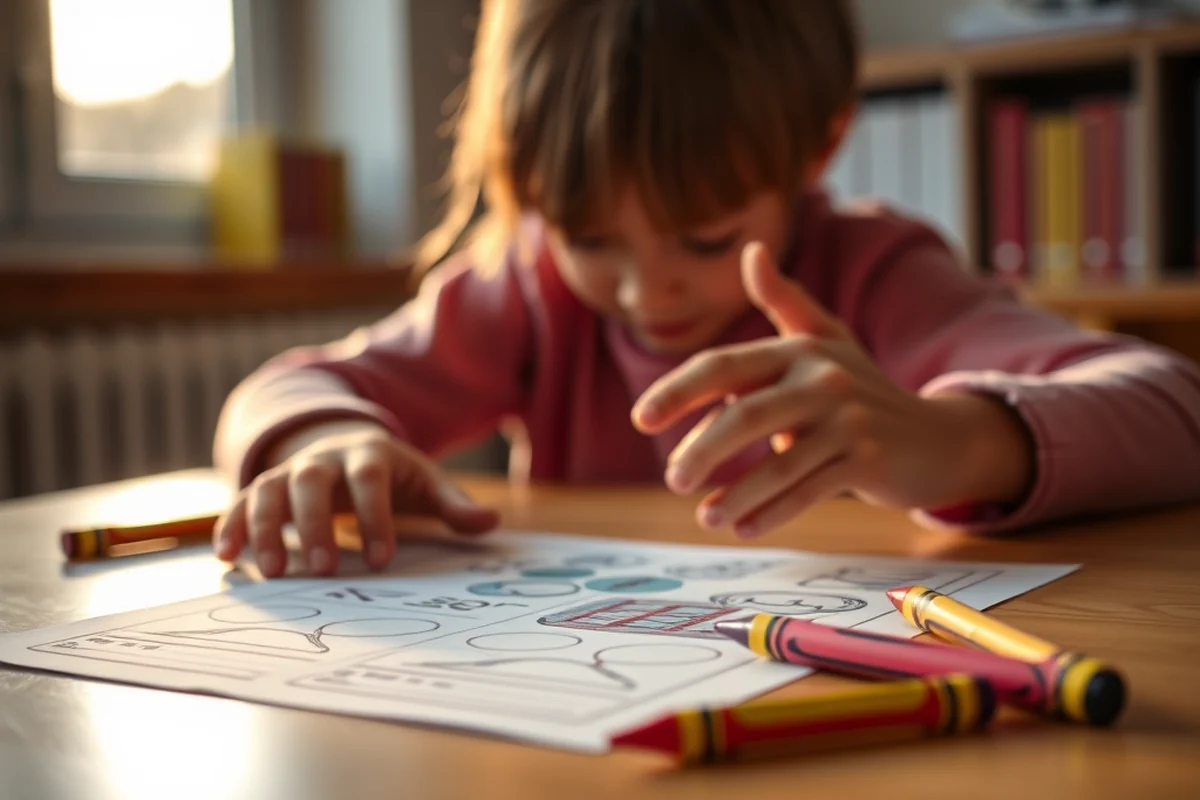
I noticed a significant improvement in my daughter’s concentration after we started incorporating physical education of students alternatives into her daily routine. Her teachers even commented on her increased focus in class.
Beyond academic benefits, these alternatives can help children build confidence and teamwork skills. One activity that stood out was a family scavenger hunt where we had to complete physical challenges to find items around the house.
The flexibility of these alternatives makes them ideal for kids with different abilities. I’ve used modified versions of activities for children with disabilities, and the results have been incredibly rewarding.
Alternatives to traditional PE can be more engaging and inclusive.
Related: Teaching physical education for learning 7th ed alternatives
How to Choose the Right Physical Education of Students Alternatives
When I first started looking into physical education of students alternatives, I made a list of my daughter’s favorite activities. This helped me pick options that she would actually enjoy, like dance and yoga.
It’s also important to consider the space available. For example, if you have a small home, indoor activities like yoga or stretching are better suited. I’ve used a set of printable yoga cards that guide kids through simple poses.
I’ve found that involving the child in the decision-making process helps them feel more invested in the activity. One time, we even created our own mini-obstacle course with items from around the house.
Let them choose between different physical education of students alternatives, and even help create the activities.
“I still remember the first time my daughter’s school canceled PE class for the week.”— Teaching Physical Education at Home editors
Related: Education physical alternatives
Creating a Routine with Physical Education of Students Alternatives
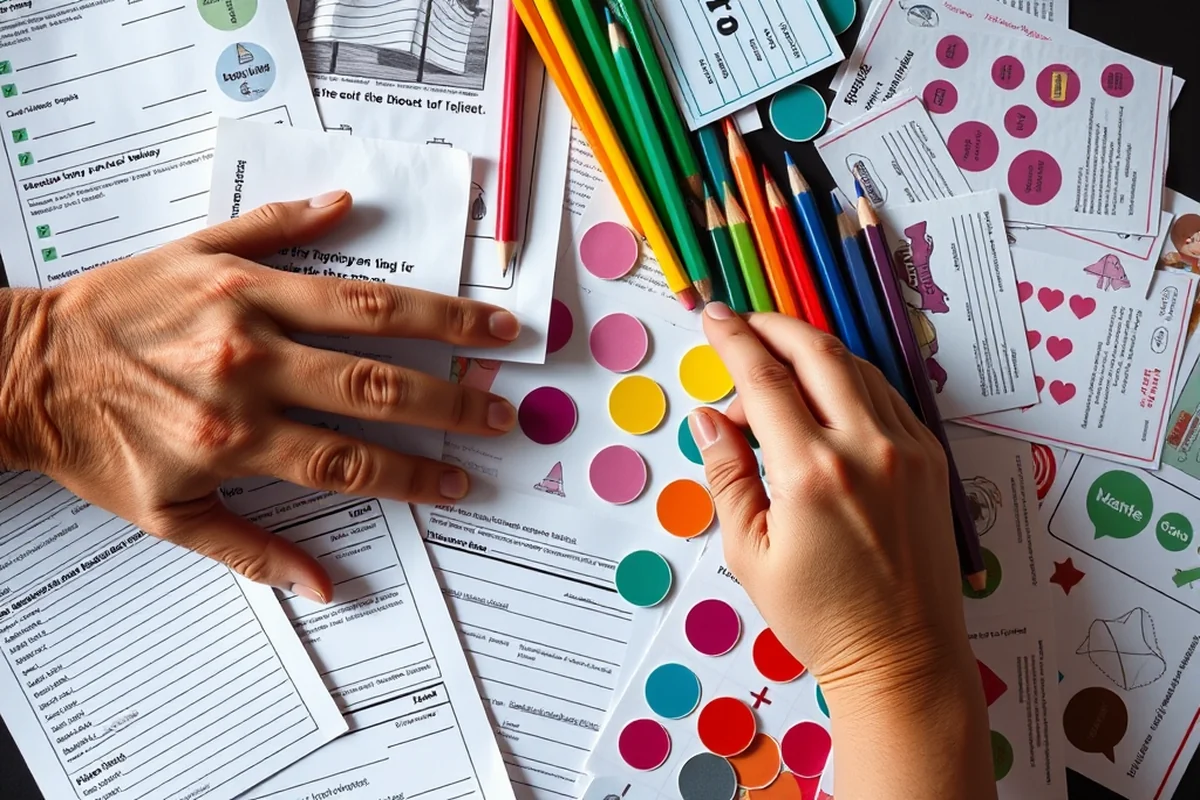
I started with a simple routine of 30 minutes of physical education of students alternatives every morning. At first, it was hard to stick to, but after a few weeks, it became part of our daily habit.[1]
To keep things interesting, I rotated the activities every week. One week we did dance, the next we played active video games, and the following week we did a nature walk. This kept the kids engaged and excited.
I also made sure to track the progress. We used a chart where we marked off each session, and it gave the kids a sense of accomplishment. After a month, the chart was almost full, and it felt like a huge milestone.
Related: Physical education and alternatives
Incorporating Technology in Physical Education of Students Alternatives
I’ve used a few educational apps that offer interactive movement challenges. One app in particular had virtual races that required the kids to move around the room, which made the activity feel more like a game.
It’s also possible to use video games that promote physical activity. I’ve used a few that require motion controllers, and the kids loved the challenge of moving to beat the game.
While I’m not a big fan of screen time, I’ve found that these tech-based physical education of students alternatives can be a great way to get kids moving. Just be sure to balance it with other non-screen activities.
Related: Physical education research alternatives
The Role of Parents and Teachers in Physical Education of Students Alternatives
As a parent, I’ve realized that my involvement made a big difference. I made sure to participate in the activities with my daughter, and it helped create a stronger bond between us.
Teachers can also benefit from using physical education of students alternatives. I’ve seen a few educators use these alternatives in their classrooms, and the results were positive. The kids were more active and focused throughout the day.
It’s also important for parents and teachers to communicate. If a child is struggling with a particular physical education of students alternative, it’s better to discuss it and find a solution together.
The support of parents and teachers makes all the difference in physical education of students alternatives.
Related: Physical education and vs
Measuring the Success of Physical Education of Students Alternatives
I’ve used a few methods to measure the success of our physical education of students alternatives. One of the simplest is observing the child’s energy levels and mood after each session.
Another way is to track progress over time. For example, I’ve noticed that my daughter has improved her balance and coordination after consistently doing yoga.
It’s also helpful to ask for feedback from the child. Sometimes they’ll suggest a new activity or express that they want to try something different. This keeps the experience fresh and engaging.
Addressing Barriers to Physical Education Access in Rural and Urban Areas
Students in both rural and urban areas often face unique challenges in accessing quality physical education. In rural regions, limited resources and geographic isolation can make it difficult to provide consistent programs. A survey of 200 rural schools found that only 30% had access to a full-time physical education teacher. To counter this, some schools have partnered with local colleges to bring in student volunteers who are trained in basic PE instruction. This model has helped increase student participation by up to 25% in some areas.
Urban schools, on the other hand, often struggle with overcrowded facilities and safety concerns. In a pilot program in a densely populated city, schools repurposed underused spaces like rooftops and parking lots for physical activity. These areas were equipped with simple exercise equipment and marked for games, leading to a 50% increase in student participation in physical activities. Safety was ensured through the installation of fencing and the presence of trained staff during sessions.[2]
To further support access, schools can use technology and community resources. For instance, some urban schools have used grants to install outdoor fitness stations that cost approximately $15,000 per school. These stations include treadmills, stationary bikes, and resistance machines. In rural areas, a mobile PE unit equipped with exercise bikes and jump ropes has been deployed to several remote schools, covering a 100-mile radius and reaching over 1,000 students annually. These initiatives demonstrate that with creativity and collaboration, physical education can be made accessible to all students, regardless of location. (80.7%, pmc.ncbi.nlm.nih.gov)[3]
🧸 Indoor Play for Younger Kids
Indoor activities like yoga and obstacle courses are perfect for younger kids who need to stay active without going outside.
🏃♂️ Outdoor Adventures for Older Kids
Older kids can enjoy activities like hiking, cycling, or team sports that get them moving and burning energy.
⏱️ No-Prep Movement Breaks
Quick, no-prep activities like dance parties or stretching sessions can be done in just a few minutes.
👥 Group Physical Education Alternatives
Group activities like relay races or team-building challenges are great for promoting teamwork and social skills.
📚 Extended Learning Activities
Physical education of students alternatives can be extended with educational elements, like learning about the human body while doing stretches.
| The mistake | Why it happens | The fix |
|---|---|---|
| Not allowing enough time for the activity | Short sessions can be frustrating and may not provide the full benefits of physical education of students alternatives. | Plan for at least 20-30 minutes per session and make sure to include a variety of activities. |
| Choosing activities that are too difficult or not engaging | If the activity isn’t fun or challenging enough, the child may not want to participate. | Select activities that match the child’s interests and abilities, and make sure they’re interactive and fun. |
| Forcing the child to participate | Children are more likely to enjoy physical education of students alternatives when they feel it’s their choice. | Let the child choose between different options and give them a sense of ownership over the activity. |
| Not tracking progress or results | Without tracking, it’s hard to know if the physical education of students alternatives are effective. | Use a chart or journal to record progress and celebrate milestones with the child. |
Physical Education Of Students Alternatives
Common Questions
How can I keep my child interested in physical education of students alternatives?
Do I need any special equipment for these alternatives?
Can these alternatives be used in a classroom setting?
How long should each session of physical education of students alternatives last?
References
- Student Physical Education and Physical Activity - CDC (cdc.gov)
- What Challenges Are Boys Facing, and What Opportunities Exist to ... (aspe.hhs.gov)
- Disparities in Technology and Broadband Internet Access across ... (pmc.ncbi.nlm.nih.gov)
Cite this guide
Teaching Physical Education at Home (2026). Physical Education Of Students Alternatives. https://growfromplay.com/physical-education-of-students-alternatives/
Feel free to cite or share this guide.
Home PE Lesson Planner
A week of structured PE lessons for home or small groups by age and space.
Open it free →