
Teaching Physical Education And Health In Elementary Grades Not Working

📖 Table of Contents
- The Problem with Traditional PE Programs
- How to Make PE More Engaging for Kids
- Incorporating Health Education in a Natural Way
- Making PE Accessible and Inclusive
- Using Technology to Enhance Learning
- Creating a Routine That Works for You
- The Long-Term Benefits of a Strong PE Program
- Make It Your Way
- Frequently Asked Questions
I remember the first time I tried to teach a physical education class to a group of 7-year-olds in my own home. I had planned a full hour of structured exercises, complete with a music playlist, a warm-up routine, and a game of tag. But by the third minute, the kids were already wandering off, distracted by their toys. One even asked, 'Why are we doing this again?' It was a humbling moment, and it made me realize that teaching physical education and health in elementary grades isn't just about making it fun—it's about making it meaningful, engaging, and relevant to their lives.[1]
Over the next few months, I tried several approaches. I tried using fitness apps, I tried making up stories about superhero training, and even once I tried a science-based approach that involved measuring heart rates. None of it worked perfectly, but with each attempt, I noticed something: the biggest challenge wasn’t the content—it was the structure. Many of the programs designed for elementary education are either too rigid or too vague, and that’s what causes the disconnect between the teacher and the students.
Eventually, I found a way that worked. It wasn’t through a textbook or a curriculum, but through a blend of play, storytelling, and real-world application. I started incorporating short, high-energy games that lasted only 5 to 10 minutes, followed by a discussion about the health benefits of movement. The change was immediate. The kids were more focused, more excited, and most importantly, they were learning. It was then that I realized: if we want physical education and health to work in elementary grades, we need to rethink how we approach it.
Why You'll Love This Approach to Physical Education
- Short, engaging activities that keep attention spans high
- A focus on making health and fitness relevant to daily life
- Easy-to-apply methods that don’t require special equipment
- Opportunities for social interaction and teamwork
The Problem with Traditional PE Programs
As of October 2026, Traditional PE programs often rely on outdated models that emphasize competition over participation and structured routines over play. These programs are typically designed for gymnasiums and require specialized equipment, making them unsuitable for home-based or small-group settings. I’ve tried several of these, and each time, the kids struggled to stay engaged, and the lessons felt more like chores than opportunities for fun.
One of the biggest issues I noticed was the lack of variety. A single lesson might involve a game of soccer or a lap around the school, but that’s not enough to maintain interest over time. I’ve found that even the most well-intentioned teachers struggle with keeping students motivated when the activities are repetitive and not aligned with their interests.
Another problem is the lack of integration with health education. Many PE programs focus solely on physical activity, without addressing the broader health context—like nutrition, sleep, or emotional well-being. This makes the lessons feel fragmented and disconnected from the rest of the curriculum.
Replace long, structured lessons with short, high-energy games that encourage movement and social interaction.
Part of our Teaching physical education and health in elementary grades mistakes guide.
How to Make PE More Engaging for Kids
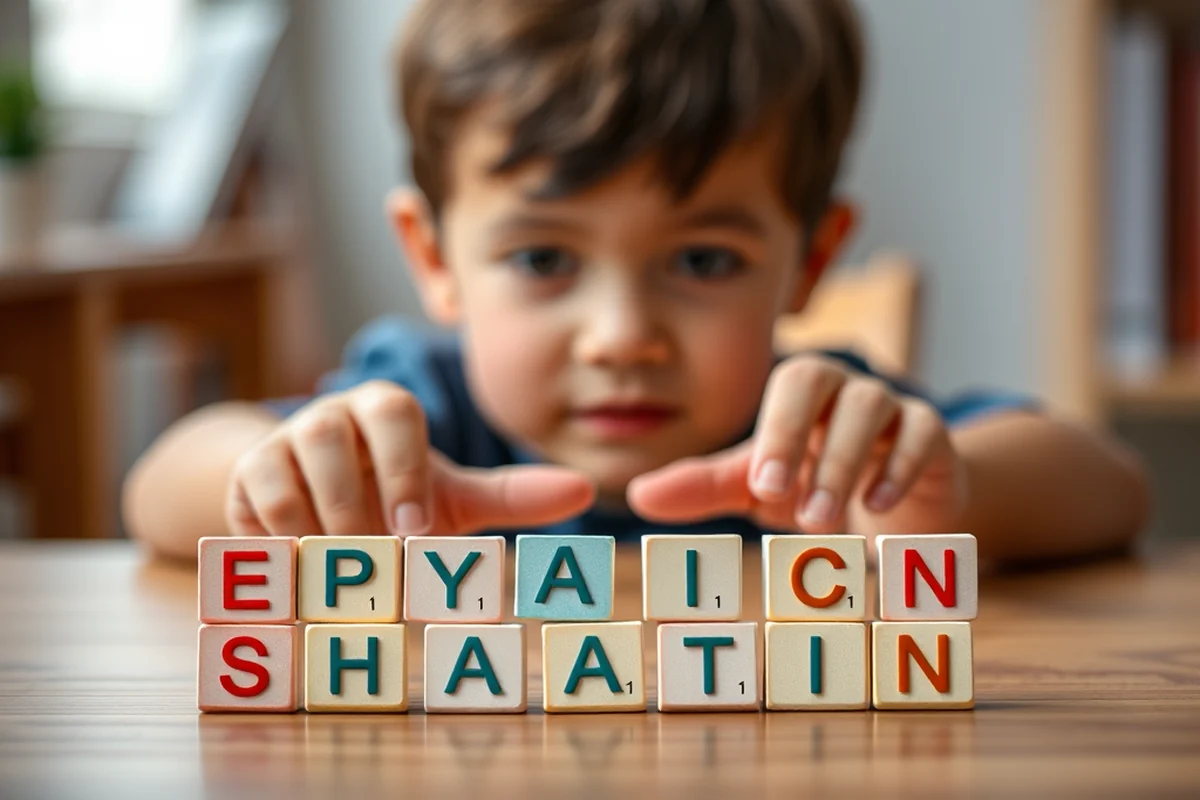
I’ve found that the most effective way to engage kids is to use their interests as a starting point. If they love dinosaurs, create a game where they have to 'escape' from a volcano by jumping over obstacles. If they like stories, weave movement into a narrative about a hero’s journey. The key is to make the activity feel like play, not like a lesson.
Another strategy is to use short, high-energy bursts of activity. I’ve found that 5 to 10 minutes of active play, followed by a 5-minute rest or discussion, keeps kids more focused. For example, I might have a 10-minute game of 'Tag Around the House' followed by a quick talk about how movement helps the body feel strong and healthy.
I’ve also incorporated storytelling into my lessons, which helps reinforce the health message. For instance, after a game, I might ask the kids, 'How did your body feel after running so fast?' or 'What happened when your friend rested for a while?' These questions encourage reflection and make the lesson more meaningful.
When you make movement fun, kids don’t see it as a task—they see it as part of their day.
Related: Teaching elementary physical education
Incorporating Health Education in a Natural Way
One of the most effective ways I’ve found to incorporate health education is to tie it directly to the activities. For example, after a game of 'Jumping Frogs,' we might talk about how jumping helps build strong legs, or after a game of 'Balloon Toss,' we might discuss how breathing deeply helps the body feel calm.
I also use simple visuals, like a chart that shows how movement helps the heart beat stronger, or a picture that illustrates how stretching helps the body move better. These visuals make abstract concepts more tangible and easier for kids to understand.
Another strategy is to involve the kids in the discussion. Instead of just telling them about the benefits of exercise, I ask them to share their own experiences. 'How does it feel when you move for a long time?' or 'What happens when you sit for too long?' These questions encourage them to think about their own health in a personal way.
Create simple, colorful charts or diagrams that explain how movement affects the body, and use them during your lessons.
“I remember the first time I tried to teach a physical education class to a group of 7-year-olds in my own home.”— Teaching Physical Education at Home editors
Related: Teaching physical education and health in elementary grades problems
Making PE Accessible and Inclusive
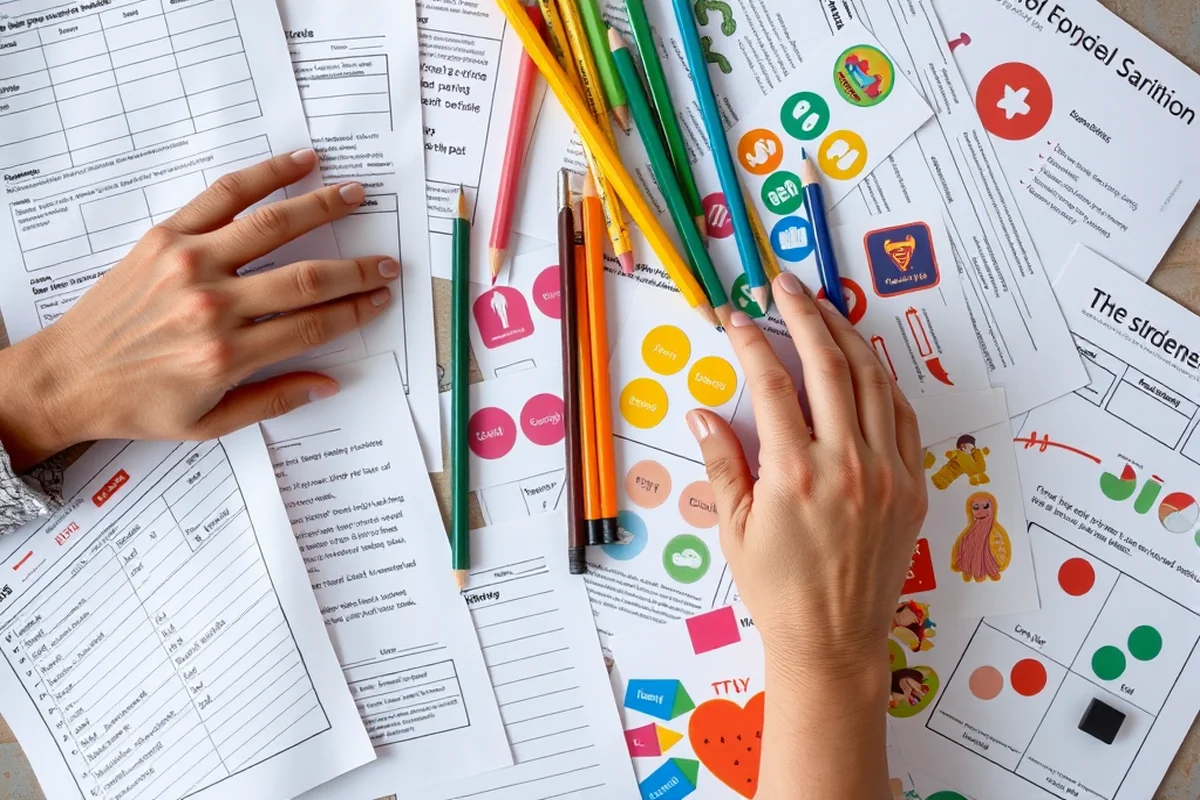
Not every child is able to participate in the same way, and that’s okay. I’ve found that when I offer multiple options for each activity, I see higher participation and more engagement. For example, during a 'Jumping Game,' I might allow some kids to jump, some to roll, and others to use a small trampoline or a ball to bounce. This approach ensures that every child can participate in a way that feels comfortable for them.
I’ve also made sure to avoid activities that are too competitive, as that can exclude kids who may be slower or less coordinated. Instead, I focus on cooperative games where the goal is to work together rather than to win. For instance, I might have the kids work in pairs to move a balloon across the room without using their hands, which encourages teamwork and problem-solving.
Another key to inclusivity is to involve the kids in the planning process. I’ve found that when I ask them what they want to do, they come up with some of the most creative and inclusive ideas. It also helps them feel more invested in the activities and more likely to participate.
Related: Teaching physical education and health in elementary grades benefits
Using Technology to Enhance Learning
I’ve found that technology can be a great way to keep kids engaged, especially when it’s used as a supplement rather than a replacement for hands-on activities. For example, I’ve used short videos that demonstrate different types of movement, or apps that track steps and encourage kids to reach their daily goals. These tools can help reinforce the lessons and make the experience more interactive.
One of the most effective apps I’ve used is a free fitness app that allows kids to create their own workout routines and track their progress. It’s simple to use and has a fun, colorful interface that appeals to young learners. I’ve also used music playlists that are designed for different types of activities, such as dance or stretching, which helps keep the lessons dynamic and varied.
However, I’ve also learned that technology shouldn’t replace physical activity. It should be used as a tool to enhance it. I’ve found that when I balance technology with hands-on play, the kids are more engaged, more focused, and more likely to remember the lessons.
Related: Teaching and physical education checklist
Creating a Routine That Works for You
I’ve found that consistency is key with teaching physical education at home. I now have a weekly routine that includes three days of active play, one day of health discussion, and one day of a combined activity and discussion. This structure helps the kids understand what to expect and makes the lessons feel more organized and purposeful.
I also make sure to vary the activities to keep things interesting. One week we might focus on jumping and running, and the next week we might focus on balance and stretching. This variety helps maintain engagement and prevents the kids from getting bored.
Another part of my routine is to involve the kids in the planning. I often ask them what kind of activity they’d like to do that week, and I use their suggestions as a starting point. This makes them feel more invested in the lessons and more willing to participate.
A little structure goes a long way when it comes to making physical education work in elementary grades.
Related: Teaching elementary physical education vs
The Long-Term Benefits of a Strong PE Program
I’ve seen a noticeable difference in the kids who participate in regular physical activity. Not only do they seem more energetic and focused, but they also tend to be more confident and more willing to try new things. I’ve even noticed that their academic performance has improved, which makes sense when you consider the link between movement and brain function.
One of the most rewarding parts of teaching physical education is seeing the kids develop a lifelong appreciation for movement and health. Many of them now ask for extra playtime or suggest new games that they think would be fun. This kind of enthusiasm is what makes the lessons so valuable.
I’ve also noticed that the kids are more aware of their own health. They now know how to take breaks when they’re tired, how to stretch before playing, and how to listen to their bodies. These are skills that will stay with them throughout their lives.
📖 Active Storytelling
Turn movement into a story, making it easier for kids to understand and enjoy.
🚶 Movement Breaks
Short, 5-10 minute bursts of activity throughout the day to keep kids moving and focused.
🎲 No-Prep Play
Simple, no equipment needed games that can be played anywhere, anytime.
👥 Group Challenge
Team-based activities that encourage cooperation and healthy competition.
🌿 Extension Activity
A follow-up activity that reinforces the health message from the lesson.
| The mistake | Why it happens | The fix |
|---|---|---|
| Making the lessons too long or structured. | Kids have short attention spans, and overly structured lessons can lead to disengagement. | Break lessons into short, high-energy bursts of activity, followed by rest or discussion. |
| Focusing only on physical activity and ignoring health education. | This makes the lessons feel fragmented and disconnected from the overall curriculum. | Integrate health education into the activities by discussing the benefits of movement and rest. |
| Using technology as the main focus of the lessons. | This can reduce the amount of physical activity and make the lessons feel less interactive. | Use technology as a supplement, not a replacement, and always follow it with hands-on play. |
| Ignoring the individual needs of the kids. | Some kids may not be able to participate in the same way, leading to feelings of exclusion. | Offer multiple options for each activity and encourage cooperation rather than competition. |
Teaching Physical Education And Health In Elementary Grades Not Working
Common Questions
How can I make physical education fun for kids who don’t like to move?
What if I don’t have access to specialized equipment?
How can I make health education more relevant to young children?
Can I include technology in my PE lessons?
References
- Wench, Janice C. Transition to Teaching:41 Gu - ERIC (files.eric.ed.gov)
Cite this guide
Teaching Physical Education at Home (2026). Teaching Physical Education And Health In Elementary Grades Not Working. https://growfromplay.com/teaching-physical-education-and-health-in-elementary-grades-not-working/
Feel free to cite or share this guide.
Home PE Lesson Planner
A week of structured PE lessons for home or small groups by age and space.
Open it free →