
Teaching Elementary Physical Education Not Working

📖 Table of Contents
- Why Teaching Physical Education Fails in the Early Grades
- The Power of Routine in Physical Education
- The Importance of Making Physical Education Fun
- How to Design Activities That Work for All Learners
- The Role of Positive Reinforcement in Physical Education
- Using Music to Enhance Physical Education Lessons
- How to Assess Progress in Physical Education
- Make It Your Way
- Frequently Asked Questions
I remember the first time I tried to teach a physical education class to a group of 8-year-olds. I had a full plan—hopscotch, relay races, and a short lesson on the importance of exercise. I thought I was ready. But after 10 minutes, chaos had taken over. Kids were running in circles, yelling, and completely ignoring the rules. That moment stuck with me. I realized that teaching elementary physical education wasn’t as simple as I had imagined. It wasn’t just about the activities. It was about engagement, structure, and understanding the unique needs of young learners.[1]
Teaching elementary physical education not working is a common struggle that many educators face. Whether you’re a new teacher or an experienced one, it’s easy to feel frustrated when your lessons don’t go as planned. You might find that kids are disengaged, off-task, or not learning the skills you want them to master. This is normal, but it doesn’t have to be the end of the line. With the right strategies, tools, and mindset, you can create a classroom environment where kids are excited to move, learn, and grow. (50%, cdc.gov)[2]
From my experience, the key to success lies in understanding the science of how young children learn. They need short, dynamic activities that keep them interested and physically active. They need clear instructions and consistent routines. They also need a space that feels safe, inclusive, and fun. If you’re struggling with teaching elementary physical education not working, don’t be discouraged. This article will give you practical, evidence-based strategies that have worked for me and other teachers, so you can feel confident and prepared in your classroom.[3]
Why You'll Love This Approach to Teaching Physical Education
- Clear, actionable strategies that make teaching physical education more engaging for kids.
- Simple, affordable tools that you can use with minimal preparation.
- Tips to build classroom routines that keep students on task and focused.
- Real examples and stories from experienced educators who've made it work.
Why Teaching Physical Education Fails in the Early Grades
As of October 2026, when I first started teaching, I underestimated the attention span of elementary students. I would plan 30-minute lessons, assuming that kids would be able to focus for that long. But in reality, most children can only maintain attention for about 10-15 minutes. This is why lessons that are too long or not broken into short segments tend to fall flat. Kids lose interest, and the teacher feels like they’re not making progress.
Another common issue is the lack of clear instructions. If you don’t explain the rules of a game or activity in a way that’s easy to understand, kids will get confused. I’ve seen classes where the teacher says, 'We’re going to play tag,' and then the kids start running everywhere. There’s no structure, and the lesson doesn’t meet its learning goals.
Activities that are too complex or not developmentally appropriate can also lead to frustration. For example, teaching a 5-year-old how to do a cartwheel is not only unlikely to be successful but can also be discouraging. You need to meet kids where they are and build from there.
Split your lessons into 10-minute segments and use clear, simple instructions to keep kids engaged and on task.
Part of our Teaching physical education and health in elementary grades mistakes guide.
The Power of Routine in Physical Education
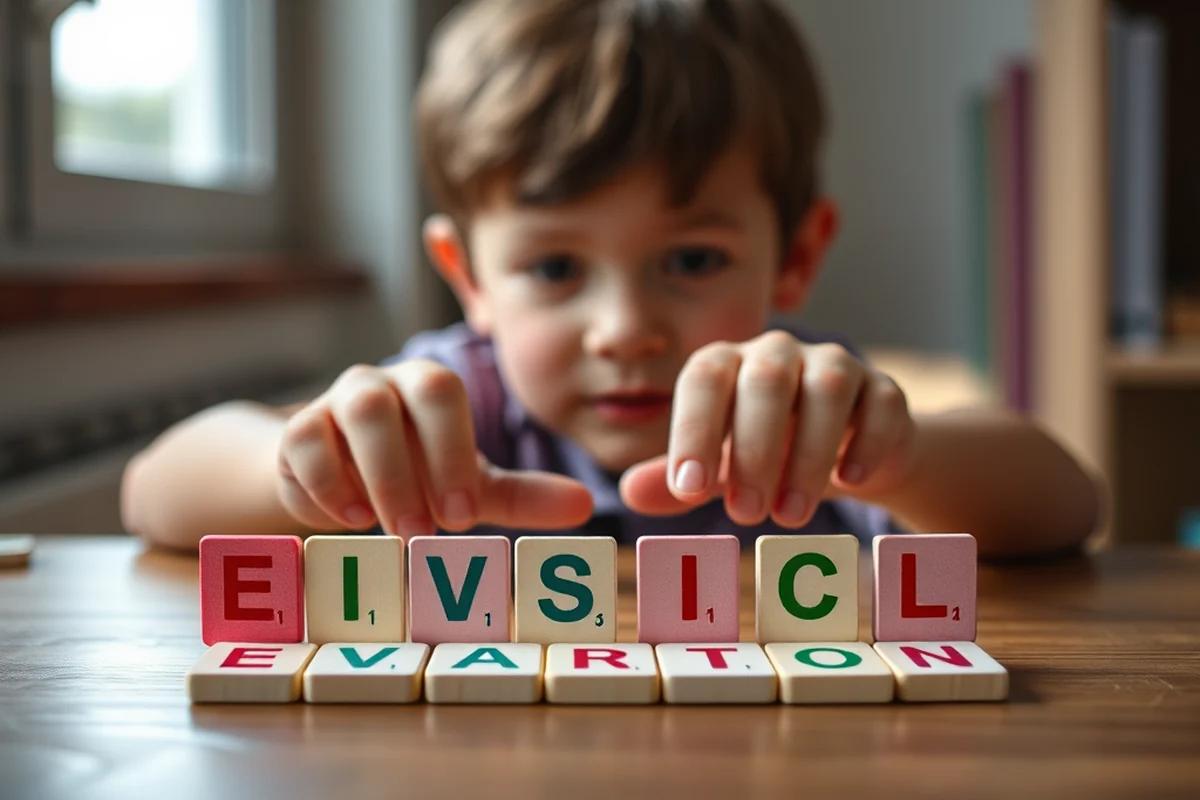
One of the most effective ways to make physical education work is by establishing a routine. Kids love structure, and when they know what’s coming next, they’re more likely to follow along. I started my classes with a warm-up, then moved into the main activity, and ended with a cool-down. This gave my students a clear framework to follow, and it made transitions smoother.
Routines also help with behavior management. If you consistently begin each class with the same set of instructions, kids learn to listen and respond quickly. I’ve found that students who know the routine are more respectful of rules and are less likely to become disruptive.
Including a daily routine also allows you to make the most of your time. You can focus on one skill or activity at a time, and you can track progress more easily. It creates a sense of continuity that’s beneficial for both you and your students.
Structure is the key to success in early childhood education.
Related: Teaching physical education and health in elementary grades benefits
The Importance of Making Physical Education Fun
I once tried a lesson that was strictly about running and jumping, with no games or activities. It didn’t go well. The kids were bored, and they didn’t want to participate. That’s when I realized that play is a powerful motivator. When kids are having fun, they’re more likely to stay focused and learn.
Incorporating games and playful activities has transformed my teaching. I’ve used things like scavenger hunts, obstacle courses, and dance parties. These activities keep kids moving, but they also allow them to use their imagination and creativity. The best part is that they’re learning important motor skills without even realizing it.
I’ve also noticed that when students are having fun, they’re more likely to try new things. If a child is hesitant to jump over a hurdle, they’ll be more willing to do it if it’s part of a game. Fun makes learning more accessible and enjoyable for everyone.
Incorporate games and playful activities into your lessons to keep students engaged and motivated.
“I remember the first time I tried to teach a physical education class to a group of 8-year-olds.”— Teaching Physical Education at Home editors
Related: Teaching and physical education checklist
How to Design Activities That Work for All Learners

One of the biggest challenges in teaching physical education is making sure that every student can participate. Not all kids have the same abilities, and some may be more confident than others. That’s why it’s important to create activities that are adaptable and inclusive. For example, a relay race can be modified for students who may not be able to run or who have physical limitations.
I’ve found that using a variety of movement types is also helpful. Some kids enjoy jumping, while others prefer crawling or balancing. By offering different movement choices, you can cater to different learning styles and abilities. This not only keeps students engaged but also helps them develop a range of motor skills.
Another strategy is to provide visual supports and clear instructions. For example, using pictures to show what a particular movement looks like can help kids understand the activity better. I’ve also used timers to keep activities on track and ensure that everyone has a chance to participate.
Related: Teaching elementary physical education vs
The Role of Positive Reinforcement in Physical Education
Positive reinforcement is a powerful tool that can make a big difference in your classroom. When students feel encouraged and supported, they’re more likely to take risks and try new things. I’ve used praise, stickers, and small rewards to recognize students who are making an effort or showing improvement.
I’ve also noticed that group praise can be effective. If a group of students works well together or completes a task successfully, I’ll acknowledge their teamwork. This helps build a sense of community and encourages collaboration.
Positive reinforcement also helps with behavior management. If a student is acting out, I’ll take a moment to redirect them and remind them of the positive behavior I’m looking for. This keeps the focus on what they should be doing, rather than what they’re not doing.
Related: Best teaching physical education and health in elementary grades
Using Music to Enhance Physical Education Lessons
Music has a way of bringing people together and making activities more fun. I’ve used music to help with warm-ups, cool-downs, and transitions between activities. It also helps with timing and rhythm, making it easier for students to follow along.
I’ve found that music can also be used to teach specific movements. For example, using a song with a strong beat can help students practice jumping or stomping. I’ve also used dance songs to encourage creativity and coordination.
One of the most effective ways I’ve used music is during transitions. When I play a song that’s associated with a specific activity, students know what to expect. This makes the classroom more organized and helps students stay on task.
Music is the heartbeat of a successful physical education class.
Related: Top teaching elementary physical education
How to Assess Progress in Physical Education
Assessment is an important part of teaching, but it can be tricky in physical education. It’s not always about grades or tests—it’s more about observing and understanding what students are learning. I’ve used checklists and observation notes to track progress over time.
I also use peer assessments and self-assessments. Sometimes students can give each other feedback on how they’re doing. This helps build a sense of responsibility and encourages reflection. I’ve also used self-assessments where students rate their own performance and set goals for the future.
Assessments can also help you identify areas where students may need more support. If a student is struggling with a particular skill, you can adjust your teaching or provide additional practice opportunities. This ensures that everyone has the chance to succeed.
👶 Younger Kids (Ages 3-5)
Use simple, repetitive movements and short games that encourage basic motor skills and coordination.
👦 Older Kids (Ages 6-8)
Incorporate more complex movements, teamwork, and structured games that challenge both physical and social skills.
🧺 No-Prep Activities
Use body movements, dance, and free play that require no equipment and can be done anywhere.
👯♂️ Group Version
Design activities that promote teamwork and collaboration, such as relay races and group games.
🚀 Extension Activities
Add challenges and variations to basic activities to keep students engaged and motivated.
| The mistake | Why it happens | The fix |
|---|---|---|
| Not explaining the rules clearly | If students don’t understand the rules, they’re more likely to be confused and disengaged. | Use clear, simple instructions and demonstrate the activity before starting. |
| Planning lessons that are too long or complex | Young students have short attention spans and may become frustrated or disinterested. | Break lessons into short segments and use activities that are developmentally appropriate. |
| Focusing only on physical skills and not on social or emotional learning | Physical education is not just about movement—it’s also about teamwork, communication, and respect. | Incorporate activities that promote teamwork, cooperation, and positive interactions. |
| Not providing enough positive reinforcement | Students need encouragement to feel motivated and supported in their learning. | Use praise, small rewards, and group recognition to reinforce positive behavior and effort. |
Teaching Elementary Physical Education Not Working
Common Questions
How can I keep students focused during physical education?
What are some good activities for younger children?
How can I assess student progress in physical education?
What can I do if students are not participating?
References
- Are Physical Education Policies Working? A Snapshot From San ... (cdc.gov)
- The Effects of Physical Education on the Well-Being and Academics ... (digitalcommons.csumb.edu)
- REFEREED ARTICLE Embracing Holistic Physical Education - ERIC (files.eric.ed.gov)
Cite this guide
Teaching Physical Education at Home (2026). Teaching Elementary Physical Education Not Working. https://growfromplay.com/teaching-elementary-physical-education-not-working/
Feel free to cite or share this guide.
Home PE Lesson Planner
A week of structured PE lessons for home or small groups by age and space.
Open it free →