
Teaching Physical Education For Learning PDF Comparison

📖 Table of Contents
- Why PDFs Matter for Teaching Physical Education
- What to Look for in a Good PDF Resource
- How PDFs Can Enhance Learning Through Movement
- The Role of Age Appropriateness in PDF Resources
- The Importance of Visual and Audio Support in PDFs
- How to Choose Between Different PDF Resources
- Maximizing the Value of Your PDF Resources
- Make It Your Way
- Frequently Asked Questions
I remember the first time I tried to teach physical education to my young niece at home. Her eyes sparkled with excitement as she darted around the living room, pretending to be a ball in a game of dodgeball. But as I looked for resources, I quickly realized that most materials were either too generic or not tailored for home use. That's when I decided to explore teaching physical education for learning pdf comparison — not just to find the best tools for her. To understand how to make learning through movement more effective, engaging, and accessible for all children.[1]
After sifting through dozens of physical education resources, I found that the real challenge wasn't in finding a good PDF, but in figuring out which one was truly useful. Some PDFs were packed with theory and complex frameworks, while others were overly simplistic. The key was finding a balance — a teaching physical education for learning pdf comparison that actually worked in practice, not just in theory. This journey taught me that the best resources for physical education are those that combine practical activities with clear, achievable learning outcomes.[2]
Today, I want to share what I’ve learned through this teaching physical education for learning pdf comparison. Whether you're a parent, a homeschool educator, or a teacher looking for new ways to integrate physical education into your classroom, this guide is here to help. It’s not just about comparing PDFs — it’s about finding the right tools for your goals, your kids, and your environment. Let’s dive in and make learning through movement a fun and effective experience.[3]
Why You'll Love This ...
- Clear, actionable steps for integrating physical education at home.
- Pdf comparisons that save time and effort in choosing the right resources.
- Tailored strategies for different age groups and learning levels.
- Real-life examples and results from hands-on teaching experiences.
Why PDFs Matter for Teaching Physical Education
As of October 2026, Physical education resources in PDF format offer a wealth of opportunities for educators and parents alike. These documents are easy to store, print, and modify to fit specific needs. For example, I once used a PDF with a series of motor skill exercises designed for preschoolers and found that the activities were clearly laid out with step-by-step instructions that were easy to follow.[4]
One of the benefits of a teaching physical education for learning pdf comparison is that it allows you to see which resources are more comprehensive, engaging, and effective. I remember comparing two different PDFs and finding that one had detailed lesson plans with clear objectives, while the other was a collection of vague ideas without a clear purpose. This comparison helped me choose the one that was most suitable for my niece.
PDFs also offer flexibility in terms of customization. You can modify the activities to fit the specific needs of your learners, whether they have physical limitations or learning differences. For instance, I once adjusted a PDF activity to include visual cues and audio instructions to help a child with developmental delays better understand the task.
Always check the age range and learning objectives outlined in the PDF before using it. This ensures that the activities are developmentally appropriate and effective.
Part of our Teaching physical education for learning 7th ed guide guide.
What to Look for in a Good PDF Resource
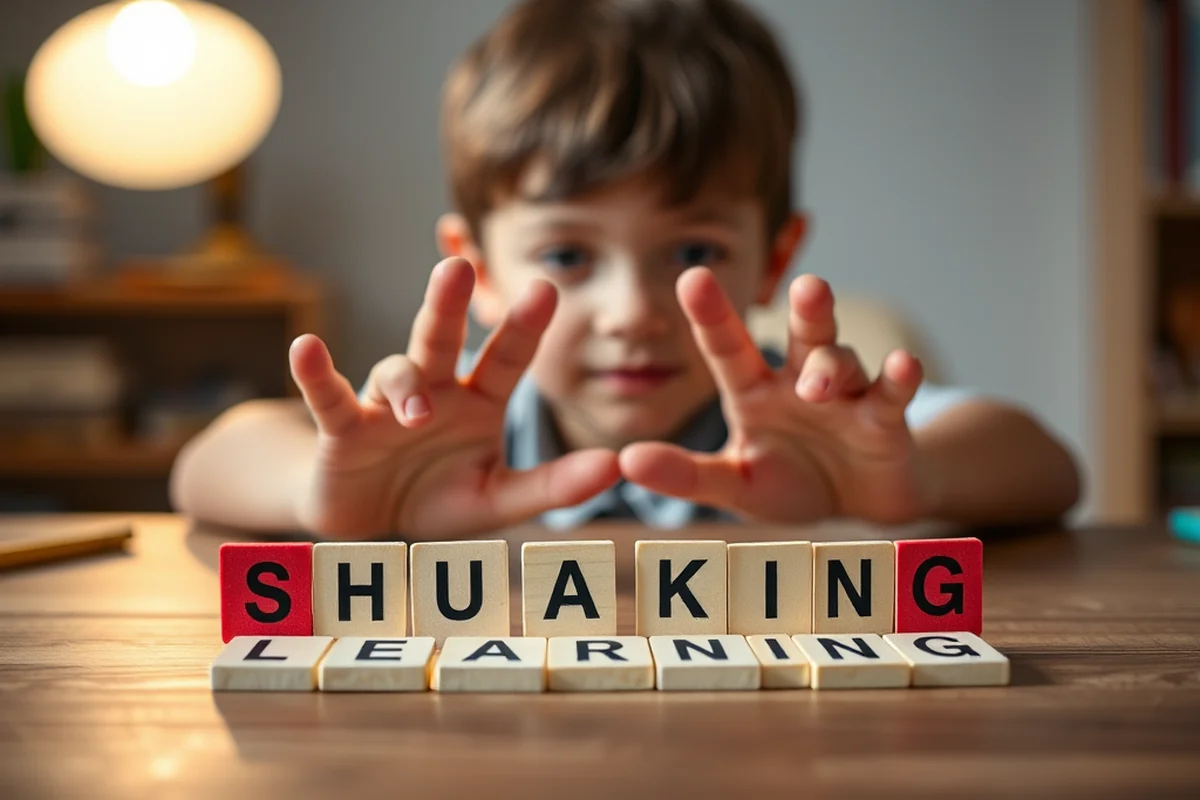
When evaluating a teaching physical education for learning pdf comparison, it's important to consider several factors. First, the activities should be clearly defined with specific learning goals. I found this especially useful when helping my niece understand the connection between movement and learning, such as how jumping and hopping can improve coordination and spatial awareness.
Second, the PDF should offer a variety of activities that cater to different learning styles and preferences. For example, one PDF I used included both individual and group activities, which allowed my niece to explore both types of interaction. This helped her develop social skills while also improving her physical abilities.
Lastly, the resource should be flexible enough to allow for modifications. I once used a PDF that had a series of obstacle courses, but I adjusted the layout to accommodate a child with a mobility issue. This flexibility made the resource much more valuable and inclusive.
A great PDF doesn't just give you a list of activities — it gives you a roadmap for success.
Related: Teaching physical education journal vs
How PDFs Can Enhance Learning Through Movement
One of the most powerful aspects of using a teaching physical education for learning pdf comparison is the ability to link movement with cognitive development. For example, a PDF I found had a series of activities that combined physical exercise with math concepts, such as counting steps or measuring distances. This helped my niece understand that learning doesn't have to be confined to a desk.
I also appreciated how the PDFs were designed to support different types of learning. One activity involved using body movements to create shapes, which helped her understand geometry in a more tangible way. This hands-on approach made learning more engaging and effective.
Another benefit was the inclusion of reflection activities. The PDF had a section where students could write or draw about what they learned during the activity. This not only reinforced the concepts but also helped them process and retain the information better.
Look for PDFs that integrate physical activity with academic learning, such as math, science, or language arts. This dual focus enhances both motor and cognitive development.
“I remember the first time I tried to teach physical education to my young niece at home.”— Teaching Physical Education at Home editors
Related: Best teaching physical education for learning pdf
The Role of Age Appropriateness in PDF Resources
When I first started looking at teaching physical education for learning pdf comparison, one of the first things I noticed was the importance of age appropriateness. Different age groups have different physical and cognitive capabilities, and a good PDF should take that into account. For example, a PDF designed for preschoolers should have activities that are simple and focused on basic motor skills.
I once used a PDF that was labeled for ages 3–6, and it had a series of activities that were perfect for that age range. The instructions were clear, and the activities were designed in a way that was both fun and educational. This helped my niece develop her balance, coordination, and fine motor skills.
On the other hand, a PDF that was too advanced for her age group would have been overwhelming and potentially unsafe. It's important to ensure that the activities match the developmental stage of the learner to avoid frustration or injury.
Related: Best for teaching physical education
The Importance of Visual and Audio Support in PDFs
One of the things I found most helpful in a teaching physical education for learning pdf comparison was the inclusion of visual and audio support. For example, one PDF I used had images of each activity, which made it easier for my niece to understand what was expected of her. The visuals helped her visualize the movements and how to perform them correctly.
In addition to visuals, some PDFs included audio instructions, which was especially helpful for children with visual impairments or learning differences. The audio instructions provided a clear, step-by-step guide that made the activities more accessible and easier to follow.
Another benefit of including both visual and audio support is that it caters to different learning styles. Some children learn better through visual cues, while others may prefer auditory instructions. By including both, a PDF can be more inclusive and effective for a wider range of learners.
Related: Affordable teaching physical education for learning pdf
How to Choose Between Different PDF Resources
When I first started my teaching physical education for learning pdf comparison, I found that choosing between different resources was a bit overwhelming. There were so many PDFs available, each with its own set of activities and objectives. To make a decision, I focused on my main goals — what I wanted my niece to learn and how I wanted to engage her.
I also considered the needs of my learners. For instance, if she had any physical or cognitive challenges, I would look for a PDF that was more inclusive and flexible. This helped ensure that the activities were safe and effective for her.
Finally, I looked at the resources available to me. Some PDFs required additional materials or equipment that I didn't have, which made them less practical. By considering these factors, I was able to choose a resource that was both effective and feasible for my situation.
The best PDFs are those that align with your goals, your learners, and your resources.
Related: Physical education songs for kids
Maximizing the Value of Your PDF Resources
One of the most rewarding aspects of using a teaching physical education for learning pdf comparison is the ability to creatively adapt the activities to your unique needs. For example, I once used a PDF that had a series of obstacle courses. I modified the layout to include items from around the house, making it more engaging and interactive for my niece.
I also found that incorporating feedback and reflection into the activities helped reinforce learning. After each activity, I would ask my niece what she thought about it and how she could improve. This not only made the experience more personal but also helped her develop a growth mindset.
Finally, I made sure to vary the activities to keep things interesting and challenging. By rotating the types of activities and adjusting the difficulty level, I kept my niece engaged and motivated to learn through movement.
👶 Younger Kids
Activities tailored for preschoolers with simple instructions and focus on basic motor skills.
👦 Older Kids
Activities designed for middle schoolers that combine physical challenges with academic learning.
📄 No-Prep
Activities that require no prior preparation and can be used immediately.
👥 Group Version
Activities that are ideal for group settings and encourage teamwork and collaboration.
➕ Extension
Activities that provide additional challenges or learning opportunities for advanced learners.
| The mistake | Why it happens | The fix |
|---|---|---|
| Choosing a PDF without considering the age appropriateness. | Activities that are too advanced or too simple can be ineffective or even potentially harmful to the learner. | Always check the age range and developmental appropriateness of the activities before using them. |
| Using a PDF without adapting it to the learner’s needs. | A one-size-fits-all approach may not be effective for all learners, especially those with unique physical or cognitive needs. | Customize the activities to fit the learner’s abilities and preferences for maximum engagement and effectiveness. |
| Ignoring the importance of reflection and feedback. | Without reflection, learners may not fully understand the concepts or skills being taught through the activities. | Incorporate reflection activities or discussions after each session to reinforce learning and encourage self-assessment. |
| Assuming all PDFs are the same. | Not all PDFs are created equal. Some may lack structure, clarity, or flexibility, making them less useful for educators and parents. | Use a teaching physical education for learning pdf comparison to evaluate different resources and choose the ones that are most effective and well-designed. |
Teaching Physical Education For Learning PDF Comparison
Common Questions
How do I know if a PDF is suitable for my child’s age?
Can I modify a PDF activity to suit my child’s needs?
What if I don’t have all the materials listed in the PDF?
Are there PDFs that focus on specific skills, like balance or coordination?
References
- (PDF) From Comparative Education to Comparative Pedagogy: A Physical ... (academia.edu)
- GAMIFICATION IN PHYSICAL EDUCATION TEACHER TRAINING (ccd.ucam.edu)
- Teacher Physical Education Practices and Student Outcomes ... - CDC (cdc.gov)
- Physical Education FAQs - Professional Learning (CA Dept of ... (cde.ca.gov)
Cite this guide
Teaching Physical Education at Home (2026). Teaching Physical Education For Learning Pdf Comparison. https://growfromplay.com/teaching-physical-education-for-learning-pdf-comparison/
Feel free to cite or share this guide.
Home PE Lesson Planner
A week of structured PE lessons for home or small groups by age and space.
Open it free →