
Physical Education What Is Step By Step

📖 Table of Contents
- Understanding the Basics of Physical Education
- Breaking Down Complex Skills into Manageable Steps
- Creating a Safe and Encouraging Environment
- Adapting Activities to Your Child’s Learning Style
- Tracking Progress and Celebrating Milestones
- Using Resources to Enhance Learning
- Involving the Whole Family in the Process
- Make It Your Way
- Frequently Asked Questions
I remember the first time I watched my daughter struggle to tie her shoes at 5 years old. It wasn't just about the knots—it was about coordination, muscle memory, and a fundamental understanding of how her body worked. That moment stuck with me because it highlighted something I had taken for granted: the importance of physical education. Physical education what is step by step isn't just about sports or games; it's about building the foundation for a child's development, both physically and mentally. It's about breaking down complex movements into manageable steps, just like a teacher guiding a student through a math problem.[1]
Over the past five years, I've dedicated myself to learning how to teach physical education at home. I've watched my children grow from clumsy toddlers to confident kids who can ride a bike, jump rope, and even catch a ball without flinching. The process wasn't easy, but it was rewarding. I learned that physical education what is step by step is not a one-size-fits-all approach. It requires patience, observation, and the ability to adapt to each child's unique learning style. Whether you're a parent, a teacher, or someone who simply wants to help a child develop their physical skills, this process is invaluable.
Now, I want to share that journey with you. Physical education what is step by step is more than just a phrase—it's a philosophy. It's about understanding the stages of motor development, recognizing the signs of progress, and knowing when to adjust the difficulty of an activity. It's about creating a safe, engaging environment where kids can explore their abilities without fear. Through this article, I'll guide you through each step, from the basics of movement to the more complex skills that come with time and practice.[2]
Why You'll Love This Step-by-Step Approach
- You'll learn how to break down complex physical skills into simple, manageable steps.
- You'll create a safe and encouraging environment for your child to grow and develop.
- You'll discover how to adapt activities to your child's unique learning style and abilities.
- You'll witness measurable progress and feel a deep sense of accomplishment as your child improves.
Understanding the Basics of Physical Education
As of November 2026, the first step in teaching physical education is to identify the key developmental milestones. For instance, toddlers typically begin with gross motor skills like crawling and walking, while preschoolers start to refine their balance and coordination. I’ve found that using a simple chart to track these milestones helps parents and educators stay on course and recognize when a child is ready to move on to the next phase.
I've used a visual timeline in my home, with pictures of children at different ages and stages, to help my daughter understand what to expect as she grows. It's an effective tool because it makes the process less abstract and more tangible. By the time she was 4, she could identify her own stage and even predict what she'd be working on next.
One of the most important aspects of this process is knowing when to step in and when to let a child explore on their own. I've learned that overhelping can sometimes hinder development. For example, when my daughter was learning to tie her shoes, I resisted the urge to take over and instead encouraged her to try it herself, even if it took her longer. That patience paid off—she eventually mastered the skill on her own.
Create a simple visual timeline with milestones and stages of development to help your child understand where they are and where they're headed.
Part of our Physical education resources step by step guide.
Breaking Down Complex Skills into Manageable Steps
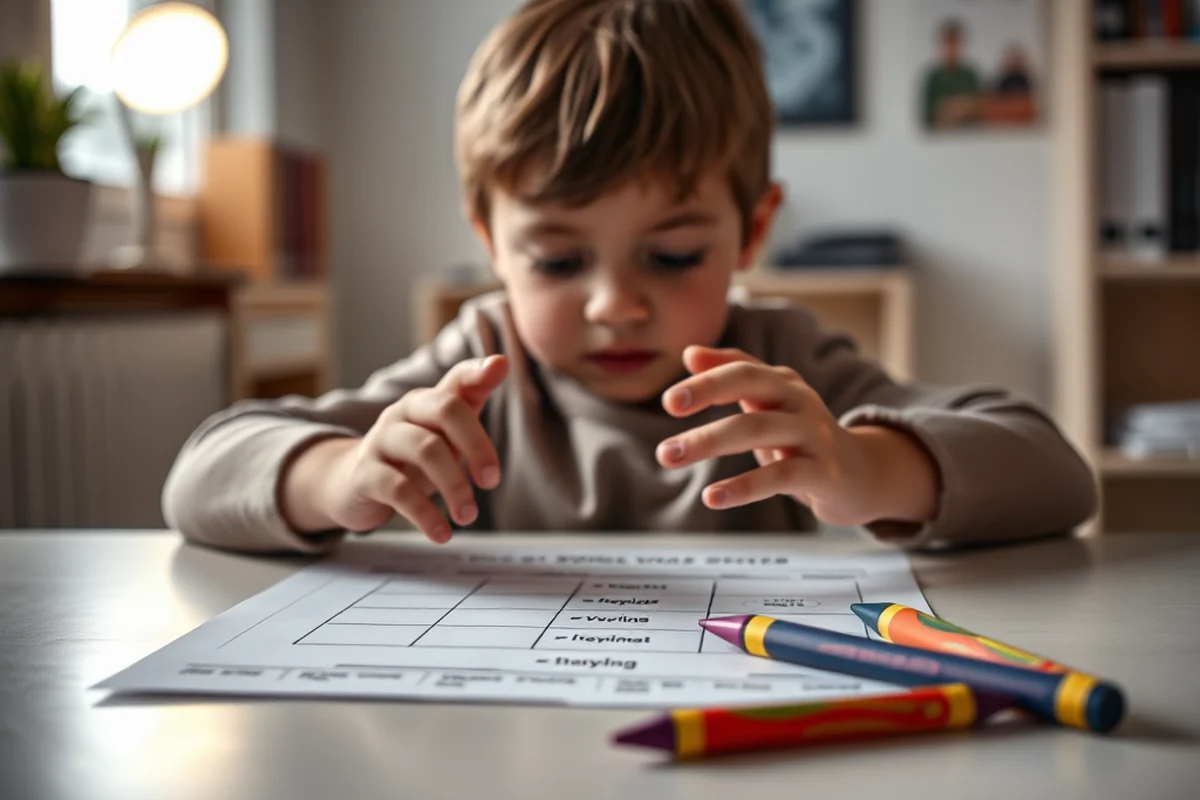
When teaching a child to ride a bike, for example, I found that breaking the process into smaller parts made a huge difference. First, we focused on balance by having her sit on the bike without pedaling. Then, we worked on the motion of pedaling and steering. Finally, we added the challenge of moving forward. This step-by-step approach helped her feel in control and reduced her anxiety.
I also used a technique I learned from a physical therapist: I had her practice standing on one foot while holding the handlebars. This helped build her core strength and balance, which are essential for riding a bike. After a few weeks of this practice, she was ready to put it all together and ride on her own.
This method is especially useful for activities that require a combination of strength, coordination, and timing. By focusing on one skill at a time, children are less overwhelmed and more likely to succeed. I've seen this approach work for everything from jumping rope to throwing a ball.
Break it down, build it up.
Related: Physical education and step by step
Related: Teaching physical education journal step by step
Creating a Safe and Encouraging Environment
Safety is the first priority in any physical activity. I’ve always made sure to clear the space of any hazards and use soft mats or cushions when necessary. This has prevented injuries and allowed my children to focus on learning without fear. It’s also important to dress them in comfortable, breathable clothing that allows for full movement.
Encouragement plays a big role in keeping children motivated. I’ve found that positive reinforcement—like praising effort rather than just the outcome—helps build confidence. For example, when my son was learning to kick a ball, I focused on his form and coordination, not just whether he scored a goal. This approach kept him interested and motivated to keep practicing.
I also made sure to involve my children in the setup and cleanup process. This taught them responsibility and gave them a sense of ownership over their learning. It also made them more invested in the activity and less likely to lose interest.
Praise the process and effort your child puts into an activity, not just the result. This builds confidence and a love for learning.
“I remember the first time I watched my daughter struggle to tie her shoes at 5 years old.”— Teaching Physical Education at Home editors
Related: Physical education resources templates
Adapting Activities to Your Child’s Learning Style

Every child learns differently, so it's important to recognize and respect their individual learning style. Some kids may be visual learners, while others prefer hands-on experiences. I've found that using a variety of teaching methods helps ensure that each child can grasp the concepts in their own way.
For example, when teaching my daughter how to jump rope, I used a visual aid to show her the proper technique. However, when my son struggled with the same concept, I found that letting him practice while watching me and then trying on his own worked better. This flexibility made a big difference in his progress.
I also like to use storytelling to make the learning process more engaging. For instance, when teaching my children how to throw a ball, I created a game where they were 'launching a rocket' to hit a target. This made the activity more fun and helped them stay focused on the mechanics of the throw.
Related: Cheap physical education resources
Tracking Progress and Celebrating Milestones
Keeping track of a child's progress helps parents and educators stay motivated and see the impact of their efforts. I created a small journal where I recorded my daughter's achievements, like when she first walked up stairs without help or when she caught a ball without dropping it. Seeing her progress in writing made it more tangible for her, and it gave me a sense of accomplishment as well.
Celebrating milestones is also a great way to reinforce positive behavior and encourage continued effort. Whether it's a small sticker for each completed task or a special treat for a major achievement, rewards can be powerful motivators. I've found that even simple things like a high-five or a verbal compliment can go a long way in keeping a child motivated.
One of the most rewarding parts of this process is watching a child reach a new milestone. The look on my daughter's face when she finally mastered the hopscotch game was priceless. It reminded me that the journey is just as important as the destination.
Related: Teaching physical education for learning 7th ed step by step
Using Resources to Enhance Learning
I’ve found that printable guides are an excellent tool for teaching physical education at home. They provide clear instructions, visual aids, and step-by-step breakdowns of complex skills. I’ve used a printable guide for teaching my son how to tie his shoes, which included diagrams and written instructions that made the process easier to follow.
Online tutorials are also a great resource. I’ve used YouTube videos to demonstrate proper techniques for activities like jumping jacks and running form. These videos allow children to watch and mimic the movements, which can be especially helpful for visual learners. I’ve found that watching a video together and then practicing the technique is a great way to reinforce learning.
I also recommend using books that focus on motor development and physical education. These can provide additional insights and strategies for teaching physical skills. I've found that reading about the developmental stages of motor skills has helped me better understand what my children are capable of at each stage.[3]
Knowledge is power—and it's also fun.
Involving the Whole Family in the Process
When the whole family is involved in the learning process, it creates a supportive environment that makes physical education more engaging. I’ve found that participating in activities with my children not only strengthens our bond but also sets a good example for them. When they see me trying my best, they’re more likely to do the same.
Family participation also helps reinforce the skills being taught. For example, when my daughter was learning to jump rope, I would join in and try to keep up with her. This made the activity more fun and gave her a sense of competition and motivation. It also helped me see how far she had come over time.
I’ve also found that involving other family members, like grandparents, can be a great way to pass on knowledge and create a shared learning experience. My grandmother, who used to be a PE teacher, has been a valuable resource for teaching proper form and technique. Her involvement has made the process more enjoyable and informative for everyone.
👶 Preschooler Adaptation
Tailored for younger children, this version focuses on basic motor skills like crawling, walking, and balance.
👦 Middle Schooler Challenge
Designed for older children, this version includes more complex activities like dribbling, catching, and teamwork.
🧳 No-Prep Option
A quick and easy version that requires no materials, perfect for spontaneous learning sessions.
👯 Group Activity
Ideal for group settings, this version encourages teamwork and collaboration through shared challenges.
🎯 Extension for Advanced Learners
This version adds advanced challenges and goals to push skilled learners to improve further.
| The mistake | Why it happens | The fix |
|---|---|---|
| Overhelping the child during an activity. | This can prevent them from developing independence and problem-solving skills. | Let the child try on their own first, offering guidance only when needed. |
| Using a one-size-fits-all approach. | Each child has unique learning styles and abilities, and a generic approach may not work for everyone. | Adapt activities to suit your child’s individual needs and preferences. |
| Ignoring safety precautions. | Neglecting safety can lead to injuries and discourage the child from participating in future activities. | Always ensure the environment is safe and use appropriate equipment when needed. |
| Not celebrating progress. | Failing to recognize achievements can make the child feel unappreciated and less motivated to continue learning. | Celebrate even small milestones with praise, rewards, or a special activity. |
Physical Education What Is Step By Step
Common Questions
How can I keep my child motivated during physical education activities?
What if my child is too shy to participate in group activities?
How do I know if my child is progressing in their physical skills?
What if I don’t have time to teach physical education at home?
References
- How Infants and Toddlers Think and Feel: What the Research Tells ... (headstart.gov)
- Physical Education Studies - Genesee Community College (genesee.edu)
- South Carolina Early Learning Standards (ed.sc.gov)
Cite this guide
Teaching Physical Education at Home (2026). Physical Education What Is Step By Step. https://growfromplay.com/physical-education-what-is-step-by-step/
Feel free to cite or share this guide.
Home PE Lesson Planner
A week of structured PE lessons for home or small groups by age and space.
Open it free →