
Teaching Physical Education Alternatives

📖 Table of Contents
- Why Physical Education Alternatives Work at Home
- Creating a Structured Routine at Home
- Using Games to Encourage Movement
- Incorporating Technology for Engagement
- Making Physical Education a Family Activity
- Using Music to Enhance Movement
- Tracking Progress and Setting Goals
- Make It Your Way
- Frequently Asked Questions
I remember the first time I tried to teach my 7-year-old daughter a PE lesson at home. I had no idea where to start. The gym at school had equipment, trained staff, and clear lesson plans—but I was on my own. I had a trampoline, a few balls, and a vague idea that I needed to keep her moving. What I didn’t realize was that teaching physical education at home didn’t have to be a guessing game. There are alternatives that don’t require a full gym, expensive equipment, or years of training.[1]
After researching, experimenting, and even a few failed attempts, I discovered that teaching physical education at home can be just as engaging and effective as a school setting. The key is to be creative and flexible. My daughter and I started using everyday household items, short bursts of activity, and even video games to make PE fun. Over time, we saw improvements in her coordination, focus, and overall energy levels. It wasn’t about perfection—it was about making movement a part of our daily routine.[2]
Teaching physical education alternatives at home is more than just a way to keep kids active—it’s a chance to build confidence, teamwork, and lifelong habits. Whether you’re a parent, a teacher, or someone looking for alternatives to traditional PE, this article will walk you through real, tested methods that work. I’ve tried them with my daughter, and now I’m sharing them with you so you can create a vibrant, engaging PE experience at home.[3]
Why You'll Love This ...
- It requires minimal to no equipment, making it accessible for every family.
- It can be tailored to any age or fitness level, ensuring inclusivity.
- It fosters creativity and engagement through hands-on learning.
- It builds lifelong physical literacy and healthy habits in children.
Why Physical Education Alternatives Work at Home
As of November 2026, Traditional PE classes often rely on specific equipment, large spaces, and trained instructors. At home, we can adapt these lessons to fit our environment and our children’s needs. For example, instead of a track, we use the hallway for running drills. Instead of a full gym, we use the living room for yoga and balance exercises. This approach makes physical education more accessible and more engaging.
I’ve found that kids are more likely to participate when they feel in control of their environment. They can suggest games, pick the music, or even design their own obstacle course. This ownership makes the experience more enjoyable and more effective. My daughter, for instance, designed a 'space adventure' obstacle course with pillows and chairs, and she ran through it every day for a week.
Another benefit is the ability to tailor activities to individual needs. If a child has a physical limitation, we can modify the game or activity. If a child is hyperactive, we can introduce high-energy games that burn off energy in a structured way. This adaptability is a major advantage of teaching physical education alternatives at home.
Use household items like pillows, chairs, and even blankets to create obstacle courses, balance beams, or jump targets. You don’t need to buy any equipment to make PE fun at home.
Part of our How to teaching physical education in secondary schools guide.
Creating a Structured Routine at Home
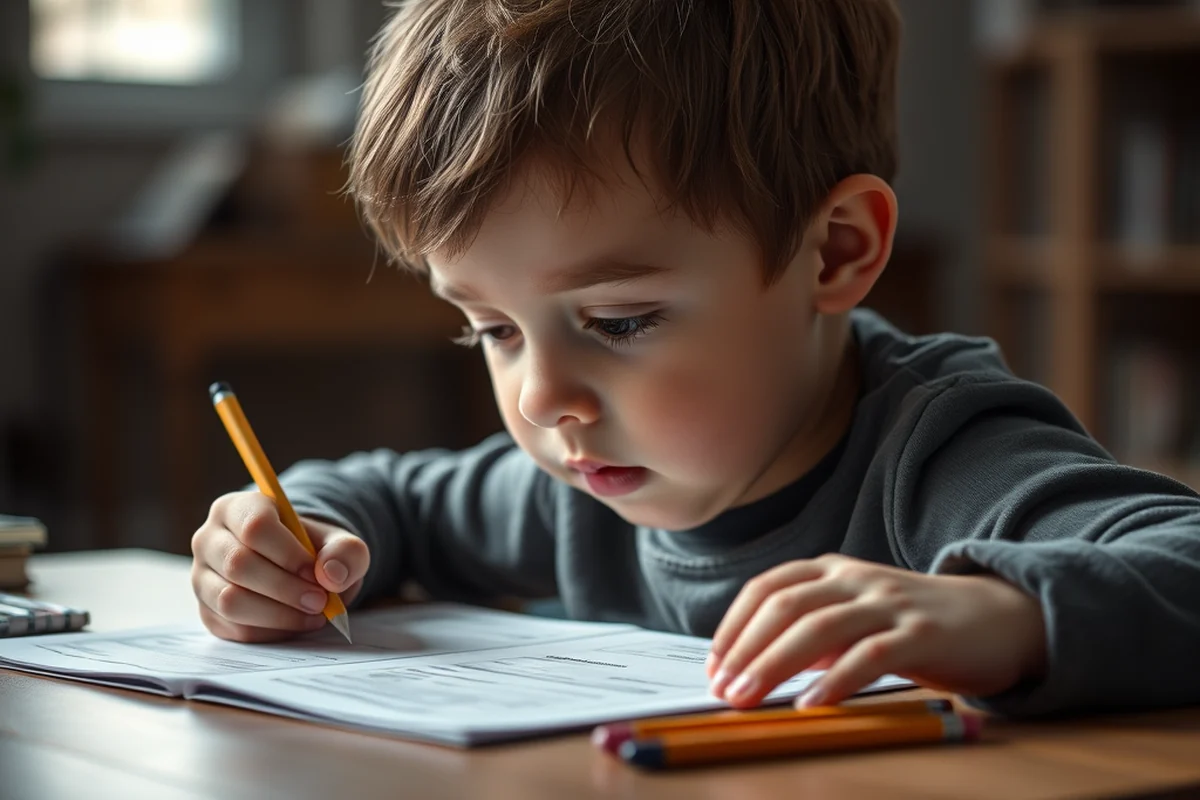
Consistency is key with physical education at home. Without a structured routine, it’s easy for kids to forget or lose interest. I set aside 30 minutes every day for physical activity, and I make it a non-negotiable part of our schedule. This time is used for a mix of structured games, free play, and even simple exercises.[4]
I’ve noticed that having a set time for physical activity helps my daughter build a habit. She knows that at 4 PM, it’s time to move, just like she has a set time for dinner or bedtime. This structure also helps her focus better during other parts of the day, as she knows she’ll have a chance to burn off energy.
Another thing that helps is setting clear expectations. I tell her what we’ll be doing each day, and I make sure to keep the activities varied to keep her interested. This approach has helped us maintain a consistent routine without getting bored or burnt out.
Structure helps kids build consistency and makes PE a part of their daily life.
Related: How to physical education health
Using Games to Encourage Movement
Games are a great way to introduce movement without making it feel like a chore. Whether it’s a simple game of tag or a more complex relay race, games can be tailored to fit any age or fitness level. I’ve found that kids are more likely to participate in physical activities when they’re having fun.
I’ve used games like 'Red Light, Green Light' and 'Simon Says' to teach basic movement skills like jumping, crawling, and balancing. These games are easy to set up and can be played in a small space. My daughter, for instance, loves playing a version of 'Simon Says' where she has to follow instructions like 'jump like a frog' or 'balance on one foot like a flamingo.'
Another benefit of using games is that they encourage social interaction. When children play games together, they learn teamwork, communication, and problem-solving skills. I’ve seen my daughter develop better social skills through games, and it’s been a rewarding experience for both of us.
Use team-based games to encourage communication and cooperation. Games like 'Pass the Ball' or 'Treasure Hunt' can help kids learn to work together while staying active.
“I remember the first time I tried to teach my 7-year-old daughter a PE lesson at home.”— Teaching Physical Education at Home editors
Related: How to teaching physical education for learning
Incorporating Technology for Engagement
While I prefer hands-on activities, I’ve found that technology can be a useful supplement to traditional PE lessons. There are many free apps and videos that guide kids through exercises, dance routines, and even yoga poses. These resources can be especially helpful when I need a break or when my daughter wants to try something new.
I’ve used apps like 'Zumba for Kids' and 'Just Dance Kids' to introduce her to different types of movement. These apps provide structured routines that are easy to follow and keep her entertained. My daughter loves the music and the colorful visuals, and she always looks forward to her 'dance time.'
Another benefit of using technology is that it can be tailored to different age groups and fitness levels. Many apps offer beginner, intermediate, and advanced levels, so kids can progress at their own pace. This adaptability makes technology a great tool for teaching physical education alternatives at home.
Related: Teaching physical education for learning
Making Physical Education a Family Activity
Physical education doesn’t have to be a solo activity. Involving the whole family can make the experience more fun and more engaging. Whether it’s a game of soccer in the backyard or a yoga session on the living room floor, family activities can help kids stay active and build stronger relationships.
I’ve found that when we all participate, my daughter is more motivated to take part. She enjoys showing off her moves and competing with her parents. This shared experience also helps me stay active and model healthy habits for her. It’s a win-win for everyone.
Another benefit is that family activities can be tailored to different fitness levels. If someone is more active, they can take the lead. If someone is less active, they can follow along at their own pace. This flexibility makes family activities a great way to teach physical education alternatives at home.
Related: Teaching physical education for learning vs
Using Music to Enhance Movement
Music has a unique ability to energize and motivate people. I’ve found that using music can make physical education more engaging and more fun for kids. Whether it’s a high-energy dance track or a calming yoga playlist, music can help set the tone for the activity.
I’ve used different types of music to match the mood and intensity of the activity. For high-energy games like 'Dance Party' or 'Jump Around,' I play upbeat songs that get kids moving. For more relaxed activities like yoga or stretching, I use slower, calming music that helps kids focus and relax.
Another benefit of using music is that it can help kids develop rhythm and coordination. Many dance and movement activities are based on music, and kids can learn to move in sync with the beat. This approach has helped my daughter develop better coordination and rhythm skills.
Music can transform any physical activity into a fun and engaging experience.
Related: Teaching and physical education vs
Tracking Progress and Setting Goals
Tracking progress and setting goals can be a powerful way to keep kids motivated and engaged in physical education at home. Whether it’s through a simple chart or a digital app, tracking progress helps kids see how far they’ve come and what they’ve achieved.
I’ve used a simple chart with stickers to track my daughter’s progress in different areas like balance, coordination, and endurance. Each time she completes a challenge or improves in a skill, she gets a sticker. This visual representation of her progress has helped her stay motivated and excited about physical education.
Setting goals is another way to keep kids engaged and focused. Whether it’s a short-term goal like 'jump rope for 5 minutes' or a long-term goal like 'run around the block 3 times,' goals give kids something to work toward. This approach has helped my daughter stay consistent and committed to her physical education at home.
🧸 Active Play for Young Kids
Use simple games and toys to get young children moving and developing basic motor skills.
🥅 Team Sports for Older Kids
Introduce older children to team sports like soccer, basketball, or volleyball in a safe and fun environment.
🏠 No-Prep Indoor Games
Engage kids with quick, no-prep indoor activities that require minimal setup and maximum fun.
👥 Group Fitness Activities
Create group fitness activities that encourage teamwork and cooperation in a dynamic and engaging way.
🌳 Outdoor Adventure Challenges
Take physical education outside with fun challenges that promote exploration and physical activity.
| The mistake | Why it happens | The fix |
|---|---|---|
| Overloading the child with too many activities at once. | This can lead to frustration and burnout, making it difficult for the child to stay engaged and interested. | Focus on one or two activities at a time and gradually increase the variety as the child becomes more comfortable and interested. |
| Not tailoring the activities to the child’s age or ability level. | This can make the activities too difficult or too easy, leading to disinterest or frustration. | Choose activities that are appropriate for the child’s age and ability level, and be willing to modify them as needed. |
| Making physical education feel like a chore. | This can lead to resistance and a lack of motivation, making it difficult to keep the child engaged. | Make physical education fun and engaging by using games, music, and activities that the child enjoys. |
| Not setting a consistent routine. | This can lead to inconsistency and a lack of structure, making it difficult for the child to develop a habit of physical activity. | Set a consistent time for physical education and make it a non-negotiable part of the daily routine. |
Teaching Physical Education Alternatives
Common Questions
What if I don’t have a lot of space at home?
How can I keep my child interested in physical education at home?
Can I teach physical education alternatives to multiple children at once?
How do I track my child’s progress in physical education at home?
References
- The teaching performance of first-year physical educators (academia.edu)
- Supporting PETE Students to Implement an Alternative Pedagogy (eric.ed.gov)
- Student Physical Education and Physical Activity - CDC (cdc.gov)
- PI 8.01(2)(j)2. - Wisconsin Legislative Documents (docs.legis.wisconsin.gov)
Cite this guide
Teaching Physical Education at Home (2026). Teaching Physical Education Alternatives. https://growfromplay.com/teaching-physical-education-alternatives/
Feel free to cite or share this guide.
Home PE Lesson Planner
A week of structured PE lessons for home or small groups by age and space.
Open it free →