
Teaching And Physical Education Vs

📖 Table of Contents
- The Importance of Physical Education in Early Childhood
- The Role of Movement in Learning
- The Difference Between Teaching and Physical Education
- How to Create a Balanced Learning Environment
- The Benefits of Physical Education for Social Development
- The Role of the Educator in Physical Education
- Making Physical Education Part of Daily Life
- Make It Your Way
- Frequently Asked Questions
I still remember the first time I tried to teach my four-year-old daughter the difference between jumping and running. She thought they were the same thing until I grabbed a hula hoop and made her hop through it. That’s when I realized physical education wasn’t just about movement—it was about teaching kids how to think through their bodies. Teaching and physical education vs is a question I’ve had to answer countless times, especially as parents and educators try to balance academic learning with the physical development that’s so crucial for young minds.
Back when I was a substitute teacher in a primary school, I watched as one class spent an entire afternoon on a lesson about teamwork, while another class spent that same time running laps in the gym. It was then that I started to see the power of physical education as more than just a break between subjects—it was a vital part of the learning process. The contrast between teaching and physical education vs is not just a question of how we teach, but how we teach through movement.
Now, as the editor of this blog and a parent who’s spent years experimenting with different ways to integrate physical education into daily life, I know that the line between teaching and physical education vs is often blurred. But it shouldn’t be. When done right, physical education becomes a powerful tool to enhance learning, not just a side activity. That’s why I’m here to help you understand how these two approaches can work together to shape the way your children learn and grow.
Why You'll Love This Approach to Physical Education
- It helps improve focus and cognitive development in children.
- It fosters creativity and problem-solving skills through movement.
- It encourages social interaction and emotional growth.
- It makes learning more engaging and memorable.
The Importance of Physical Education in Early Childhood
As of October 2026, As a parent, I’ve noticed that the first time my daughter walked on a balance beam was a moment of pure triumph. She didn’t just learn to walk—she learned to trust her body, to be patient, and to try again when she stumbled. Physical education in early childhood is more than just learning to move—it’s about learning to grow.
Research shows that children who participate in physical education early on are more likely to develop stronger cognitive skills. For example, studies from the American Academy of Pediatrics have found that physical activity can improve memory and attention in young children. That’s not just academic—it’s life-changing.[1]
I’ve seen the impact of physical education in my own home, where even simple activities like obstacle courses or relay races have helped my daughter learn how to follow instructions and think on her feet. It’s a subtle but powerful way to build confidence and competence.
Instead of buying expensive equipment, use items you have around the house, like pillows, chairs, and boxes, to create fun and safe physical activities for your kids.
Part of our How to teaching physical education in secondary schools guide.
The Role of Movement in Learning
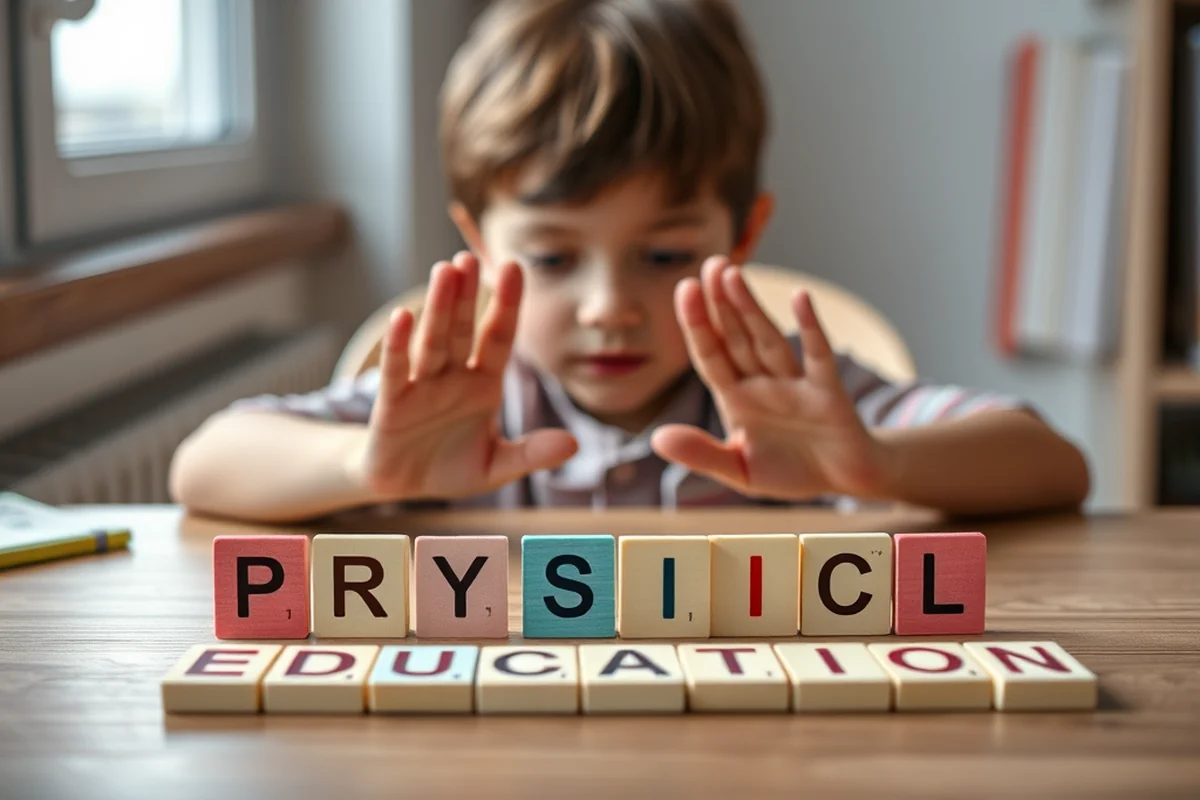
I remember when my son was struggling with the concept of shapes in math class. After spending the day playing with different-shaped blocks and moving them around the house, he suddenly understood why a triangle is different from a square. Movement helped him connect the abstract idea to real-world applications.
There’s a growing body of evidence that supports the idea that movement enhances learning. For instance, a study published in the Journal of Educational Psychology found that students who engaged in physical activity before a lesson retained more information than those who didn’t. This is because physical activity increases blood flow to the brain, which can improve focus and cognitive function.[2]
In my own classroom, I’ve seen how simple activities like jumping while counting or balancing on one foot while solving a math problem can make learning more engaging. It’s not just about having fun—it’s about making learning stick.
Movement is the key to unlocking a child's potential.
Related: Top physical education and teaching
The Difference Between Teaching and Physical Education
When I was teaching kindergarten, I used to think of physical education as a break between lessons. But over time, I realized that it was one of the most important parts of the day. Teaching is about conveying knowledge, while physical education is about applying that knowledge through movement.
One of the most common misconceptions is that physical education is just about exercise. In reality, it’s a form of teaching that uses the body to reinforce concepts. For example, a lesson on gravity can be taught through a simple activity like dropping different objects and watching how they fall.
The difference between teaching and physical education vs is not about which is better—it’s about how they can work together. When used in tandem, they create a more holistic and effective learning environment.
Try using movement to reinforce academic concepts, such as having students jump to the answer of a math problem or act out parts of a story. This makes learning more interactive and engaging.
“I still remember the first time I tried to teach my four-year-old daughter the difference between jumping and running.”— Teaching Physical Education at Home editors
Related: Best physical education and teaching
How to Create a Balanced Learning Environment
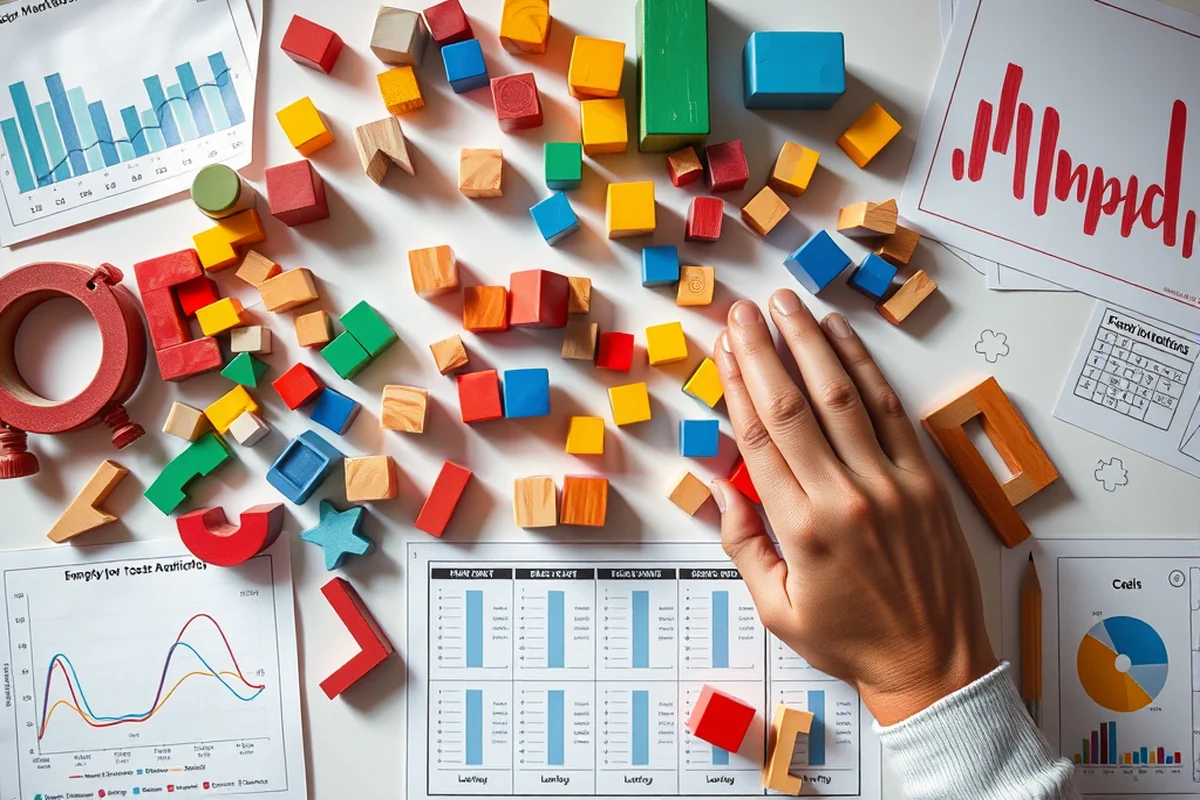
Creating a balanced learning environment means making sure that your child has both time for academic learning and time for physical activity. I’ve found that having a structured routine that includes both types of learning helps my son stay focused and energized throughout the day.
One way I’ve managed this is by breaking up long study sessions with short physical breaks. For example, after an hour of reading, we take a 10-minute break doing jumping jacks or playing a quick game of tag. This not only helps prevent burnout but also keeps the learning process dynamic.[3]
It’s also important to make sure that physical education is not just an afterthought. It should be an integral part of the learning experience, helping your child develop both mentally and physically.
Related: Best teaching physical education online
The Benefits of Physical Education for Social Development
I’ve seen firsthand how physical education can bring children together in ways that academic lessons sometimes can’t. When my daughter was in a physical education class, she learned how to work with others, share equipment, and support her peers during activities. These are skills that are just as important as math or reading.
Studies have shown that children who participate in team sports or group physical activities develop better social skills and are more likely to form positive relationships with their peers. For example, a report by the National Association for Sport and Physical Education found that students who participated in group physical activities had higher levels of social engagement.[4]
In my own home, I’ve made it a point to include group activities in our learning routine. Whether it’s playing a game that requires teamwork or simply working on a joint project, these activities help my children develop important social skills.
Related: Best teaching elementary physical education
The Role of the Educator in Physical Education
As an educator, I’ve learned that the role of the teacher in physical education is just as important as in any other subject. It’s not just about telling students what to do—it’s about guiding them, encouraging them, and helping them learn through experience.
One of the most important things I’ve learned is that physical education should be inclusive and adaptable to the needs of all students. This means creating activities that are accessible to everyone, regardless of their ability level or physical condition.
In my classroom, I’ve made it a priority to create a safe and supportive environment where every student feels comfortable participating. This has helped me see the positive impact that physical education can have on both academic and social development.
The best physical education teachers are the ones who make every child feel included.
Related: Affordable teaching in physical education
Making Physical Education Part of Daily Life
I’ve found that the best way to make physical education a part of daily life is to be intentional about it. Whether it’s playing a game in the park or doing a quick exercise session at home, these small moments of movement can add up over time.
One of the things I’ve noticed is that when children are given the opportunity to be active on a regular basis, they are more likely to develop healthy habits that last into adulthood. For example, I’ve seen how my daughter now chooses to walk or bike to school instead of sitting in a car.
By making physical education a regular part of daily life, we’re not just helping our children stay fit—we’re helping them build lifelong skills and habits that will benefit them in every area of their lives.
👶 Younger Kids Activity
Simple and safe activities for children under 5, such as crawling through tunnels or balancing on a line.
👦 Older Kids Activity
More complex activities for children aged 6 and up, such as relay races or team-building games.
📄 No-Prep Activity
Quick and easy activities that require no preparation, such as playing hide-and-seek or doing a dance party.
👥 Group Version
Activities designed for group participation, such as team sports or collaborative movement challenges.
🚀 Extension Activity
Activities that build on previous lessons, such as creating a fitness routine or designing a mini-Olympics.
| The mistake | Why it happens | The fix |
|---|---|---|
| Not providing enough guidance during physical education activities. | Children may become confused or frustrated if they’re left to figure things out on their own. | Offer clear instructions and demonstrate the activity before letting them try it on their own. |
| Making physical education a punishment or reward. | This can create negative associations with movement and learning. | Keep physical education fun and engaging, and avoid using it as a form of punishment or reward. |
| Ignoring the individual needs of each child. | Children have different abilities and learning styles, and one-size-fits-all activities may not be effective for everyone. | Offer a variety of activities and allow children to choose based on their interests and abilities. |
| Not creating a safe environment for physical education. | Injuries can happen if the environment is not properly set up or supervised. | Ensure that the space is safe, and always supervise children during physical education activities. |
Teaching And Physical Education Vs
Common Questions
How can I make physical education more engaging for my child?
What are some easy ways to include physical education at home?
How does physical education affect a child's academic performance?
What are the benefits of group physical activities for children?
References
- Teaching Methods in Teaching Physical Education - Academia.edu (academia.edu)
- Peter Hastie -- published papers - Auburn University (auburn.edu)
- Physical Education in Library of Congress Primary Sources (blogs.loc.gov)
- GAMIFICATION IN PHYSICAL EDUCATION TEACHER TRAINING (ccd.ucam.edu)
Cite this guide
Teaching Physical Education at Home (2026). Teaching And Physical Education Vs. https://growfromplay.com/teaching-and-physical-education-vs/
Feel free to cite or share this guide.
Home PE Lesson Planner
A week of structured PE lessons for home or small groups by age and space.
Open it free →