
Physical Education Resources Troubleshooting

📖 Table of Contents
- Choosing the Right Resources for Your Home
- Dealing with Limited Space at Home
- Making the Most of Limited Materials
- Keeping Kids Engaged and Focused
- Adapting Resources for Different Ages
- Troubleshooting Common Issues with PE Resources
- Finding Free and Affordable Resources
- Make It Your Way
- Frequently Asked Questions
I remember the first time I tried to teach my son a basic PE routine at home. I had downloaded a printable activity guide, but it was confusing, the instructions were vague, and I ended up frustrated and my son bored. That was the moment I realized how important it is to have clear, actionable physical education resources. The right tools can transform a chaotic home environment into a space where kids are active, engaged, and learning.[1]
As a parent, I’ve spent countless hours troubleshooting PE activities. Some resources work perfectly, while others leave me scratching my head, wondering how to adapt them for different ages or abilities. I’ve tested dozens of printable routines, video guides, and even apps designed for home-based PE. Through this process, I’ve learned what truly makes a resource effective: clarity, adaptability, and engagement that keeps kids motivated.[2]
This article isn’t just about finding resources—it’s about troubleshooting the most common problems that come up when using them. Whether it’s a lack of space, limited materials, or difficulty keeping kids focused, I’ll walk you through how to handle these challenges with confidence. You’ll find real, tested solutions that have worked in my own home and the homes of other parents who’ve shared their experiences.[3]
Why You'll Love This Physical Education Guide
- Clear, step-by-step instructions that make even the most complex activities easy to follow.
- Tailored solutions for different age groups and home environments, so you can adapt any activity without frustration.
- Printable resources that are free and ready to use, saving you time and money.
- Tips and tricks from real parents who have successfully implemented home-based PE routines.
Choosing the Right Resources for Your Home
As of November 2026, when I started looking for PE resources, I was overwhelmed by the sheer number of options available. Some were too advanced, others too simple. I learned quickly that the best resources are those that can be modified easily to suit different spaces, abilities, and learning styles.[4]
For example, one resource I tried was a printable obstacle course with clear instructions and icons. It worked great because I could adjust the difficulty by changing the number of steps or using household items as barriers. This kind of flexibility is essential when you’re working with limited space or materials.
I also looked for resources that included visual aids, like color-coded instructions or diagrams. These made it easier for my son to follow along and stay focused. The more intuitive the resource, the less time you’ll spend troubleshooting and the more time your child will spend being active.
When choosing a PE resource, check if it can be adjusted for different ages or environments. This will save you time and frustration down the line.
Part of our Physical education resources step by step guide.
Dealing with Limited Space at Home
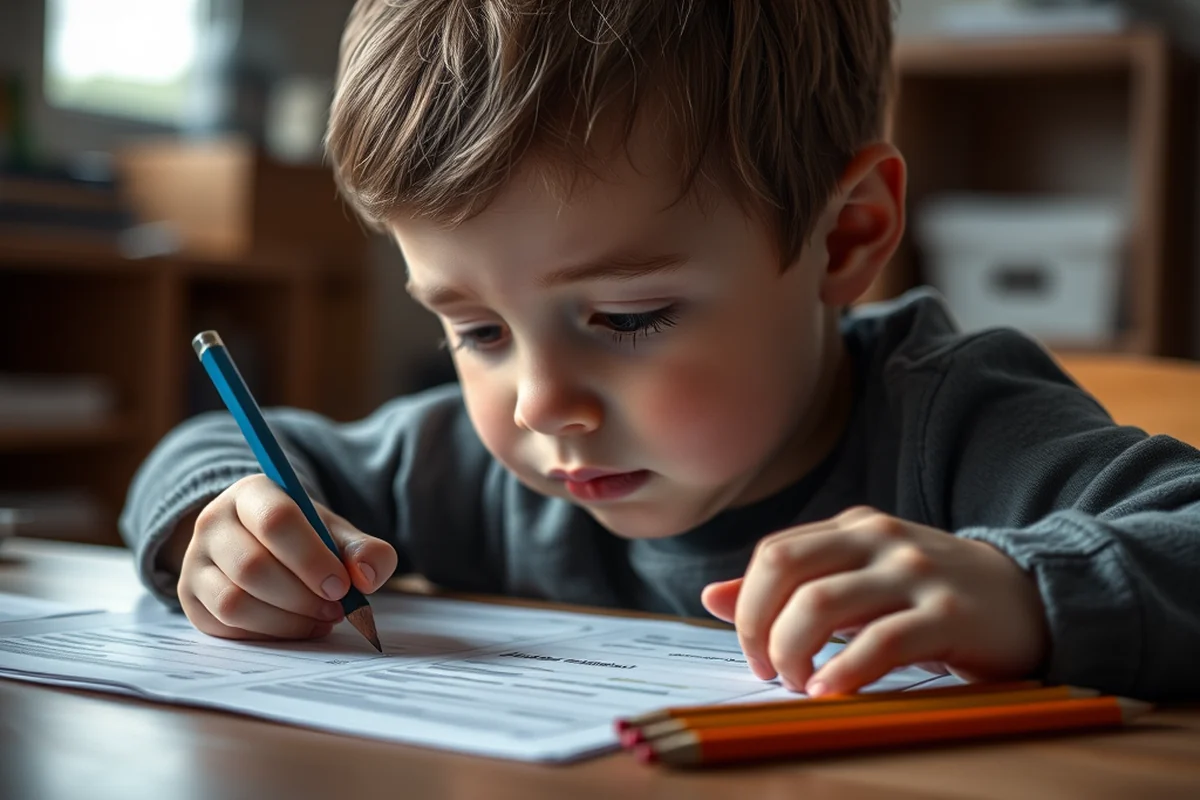
One of the biggest challenges I faced was a lack of space. My home was small, and I couldn’t set up a traditional PE area. But I found that using the living room, hallway, or even a bedroom could be enough for many activities.
I started by using the living room as a main activity space. We used the couch as a bench for sit-ups, the floor for yoga, and even the coffee table for balance exercises. These simple changes made a big difference in how we approached PE at home.
I also discovered that some activities, like jumping jacks or wall push-ups, required no space at all. These became our go-to routines when we couldn’t find room for anything else. It’s all about being creative and using what you have.
Space is a mindset, not a limitation.
Related: Physical education resources benefits
Making the Most of Limited Materials
When I was short on equipment, I started using household items like pillows, blankets, and even empty plastic bottles as substitutes. These items not only saved money but also made the activities more engaging and interactive.
For example, I used a large pillow as a soft ball for a throwing game and an empty water bottle as a weight for arm exercises. These makeshift tools were just as effective as any store-bought equipment and kept my son interested and motivated.
The key to making the most of limited materials is to think creatively. Ask yourself: What can be used as a barrier? What can be used for balance? What can be used for resistance training? The answers might surprise you and open up new possibilities for your home-based PE program.
Look around your home and see what can be used for PE. A chair can be used for push-ups, a blanket can be a soft mat, and a towel can be a balance aid.
“I remember the first time I tried to teach my son a basic PE routine at home.”— Teaching Physical Education at Home editors
Related: Physical education which subject step by step
Keeping Kids Engaged and Focused
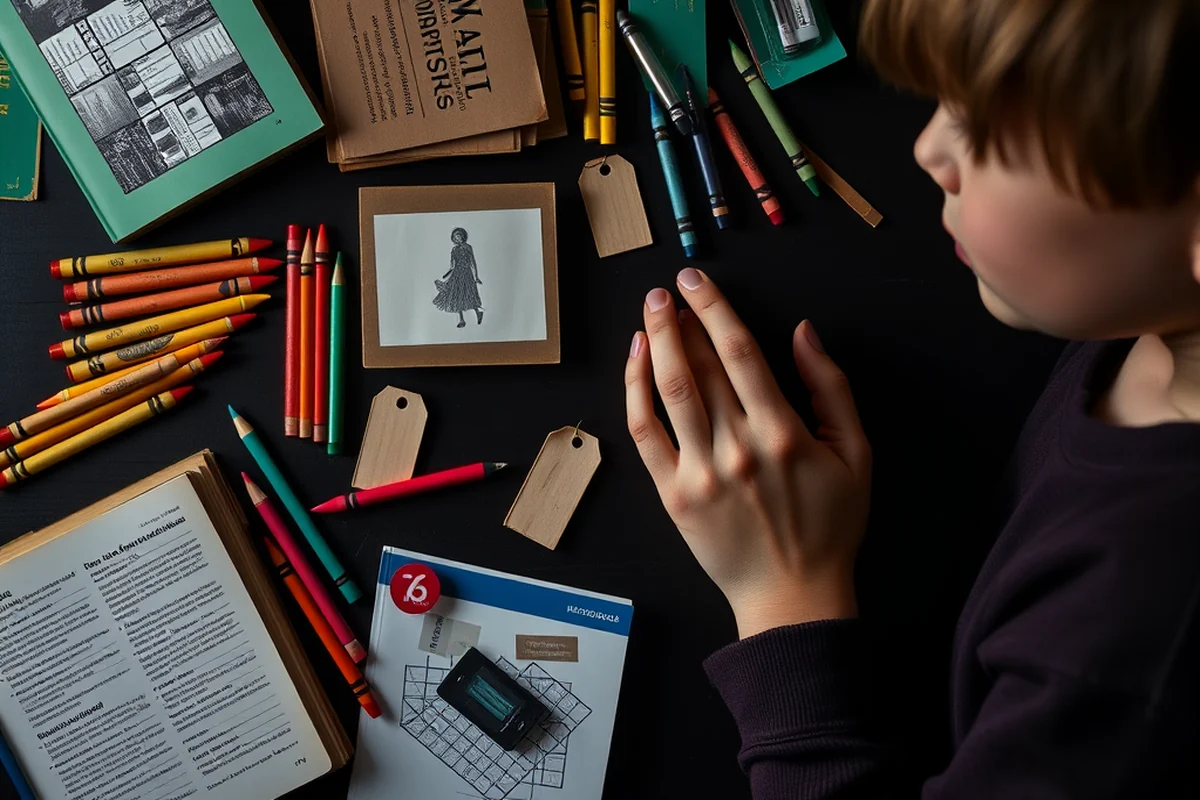
I found that setting a clear structure and routine helped keep my son focused. We had a specific time each day for PE, and we used a timer to keep things on track. This made the activity feel like a fun part of our day rather than a chore.
I also discovered that incorporating games and challenges made the activities more enjoyable. We played a game where we had to complete a series of exercises before earning a sticker or a small reward. This added an element of fun and competition that kept him motivated.
Another strategy that worked was using music. We found that playing upbeat songs during the activities helped keep the mood positive and energized. The right music made even the most basic exercises feel like a party.
Related: Teaching physical education in secondary schools step by step
Adapting Resources for Different Ages
When I first tried using a resource meant for older children, it didn’t work well for my younger son. The activities were too complex, and he quickly lost interest. This taught me the importance of selecting or modifying resources to match the child’s age and ability level.
For younger children, I found that shorter activities with simple instructions worked best. We used a printable routine with icons and short, clear steps that were easy for him to follow. This made the experience more enjoyable and less overwhelming.
For older children, I focused on activities that required more coordination and problem-solving. We used printable challenge cards that included more advanced movements, like jumping rope or doing push-ups. This helped keep them engaged and challenged.
Related: Physical education what is step by step
Troubleshooting Common Issues with PE Resources
One common issue I faced was a lack of clear instructions in some of the resources I tried. This led to confusion and frustration for both me and my son. I found that selecting resources with detailed, step-by-step instructions made a big difference in how well the activities worked.
Another challenge was when the resources didn’t match our home environment. Some activities required a large open space or specialized equipment that we didn’t have. I learned to look for adaptable resources that could be modified to fit our home setup.
I also had to troubleshoot issues related to time management. Some resources were too long or too short for our schedule. I found that adjusting the length of activities to fit our daily routine made the program more manageable and sustainable.
Troubleshooting is a skill, not a setback.
Related: Teaching physical education journal step by step
Finding Free and Affordable Resources
I discovered that many websites offer free printable PE activities that are easy to use and modify. These resources often include clear instructions and visuals that make them ideal for home use.
In addition to free resources, I found that some affordable apps and websites provided great PE programs for a low cost. These platforms often included video demonstrations and interactive features that made the activities more engaging.
One of the best resources I found was a website that offered a collection of printable PE plans for different age groups. These plans were free to use and could be easily adapted to fit our home environment and schedule.
👶 Younger Kids (Ages 3-5)
Simple, playful activities that focus on basic motor skills and coordination, using colorful visuals and short instructions.
👦 Older Kids (Ages 6-12)
More complex challenges that build on basic skills, with options for resistance training and team-based activities.
📦 No-Prep Version
Quick, easy activities that require no setup or materials—perfect for last-minute PE sessions or busy days.
👥 Group Version
Activities designed for multiple children, with options for team games and cooperative exercises that promote social skills.
🚀 Extension Activities
Advanced options that build on basic skills, ideal for children who have mastered the fundamentals and are ready for more challenge.
| The mistake | Why it happens | The fix |
|---|---|---|
| Using resources that are too advanced for your child’s age or ability. | This can lead to frustration and a lack of engagement, making it difficult to keep the child motivated. | Choose resources that are appropriate for your child’s age and ability level. Look for materials that can be modified to suit different needs. |
| Not considering the space available in your home. | Some resources require a large open area, which may not be suitable for all homes, leading to a lack of practicality and effectiveness. | Look for adaptable resources that can be modified to fit your home environment. Use furniture and household items as alternatives when needed. |
| Relying solely on free resources without checking their quality. | Some free resources may be outdated or lack clear instructions, making them difficult to use effectively. | Test a few different resources to find the ones that work best for your child. Look for resources that are well-reviewed and offer clear, step-by-step instructions. |
| Not adjusting the difficulty of the activities as your child progresses. | This can lead to boredom or a lack of challenge, making it difficult to keep your child interested and engaged. | Regularly assess your child’s progress and adjust the difficulty of the activities accordingly. Use extension activities to keep them challenged and motivated. |
Physical Education Resources Troubleshooting
Common Questions
How can I keep my child motivated during home-based PE?
What if I don’t have enough space for PE activities?
Are there free PE resources available online?
How can I adjust PE resources for my child’s age?
References
- Technology Integration in Secondary Physical Education (aquila.usm.edu)
- Inclusive Physical Education And Its Impact On Adolescents With ... (commons.und.edu)
- Sport Sciences and Physical Education - WVU Databases (databases.lib.wvu.edu)
- "AI-Driven Feedback Loops in PE Teacher Education" by Nikki ... (digitalcommons.wku.edu)
Cite this guide
Teaching Physical Education at Home (2026). Physical Education Resources Troubleshooting. https://growfromplay.com/physical-education-resources-troubleshooting/
Feel free to cite or share this guide.
Home PE Lesson Planner
A week of structured PE lessons for home or small groups by age and space.
Open it free →