
Best Teaching Physical Education Online

📖 Table of Contents
- Why Physical Education Online Works for Kids
- How to Choose the Right Activities for Online PE
- Making the Most of Online Learning Tools
- The Role of Parental Involvement in Online PE
- Creating a Routine for Online PE Lessons
- How to Keep Kids Motivated During Online PE
- The Importance of Safety in Online PE
- Integrating Technology for Real-Time Feedback and Assessment
- Make It Your Way
- Frequently Asked Questions
I remember the first time I tried teaching physical education online. I was in a small apartment, surrounded by a stack of yoga mats, a kettlebell, and a laptop. My son, just five years old, was watching me from the floor, curious but skeptical. I had no idea how challenging it would be to keep a child engaged through a screen, but I was determined. I wanted to show him that exercise could be fun, even from the comfort of home.
That initial session was a disaster. The video lagged, my voice echoed through the apartment, and the only thing my son wanted to do was run in circles. It was a humbling but eye-opening experience. I realized that teaching physical education online wasn’t just about copying a gym class onto a screen — it required creativity, adaptability, and a deep understanding of how kids learn through movement.
Now, after years of trial, error, and countless iterations, I’ve developed a system that works. It’s not perfect, but it’s effective. I’ve learned how to structure lessons, create engaging content, and keep kids motivated even when they’re miles away. If you're looking for the best teaching physical education online, this is where you’ll find the tools, techniques, and real-world insights you need to make it work.
Why You'll Love This Approach to Teaching Physical Education Online
- Lessons that are interactive and easy to follow, even for beginners.
- Cost-effective and minimal equipment needed for most activities.
- Engagement that keeps kids excited and moving through the screen.
- A structured, yet flexible way to teach PE that works for home or remote learning.
Why Physical Education Online Works for Kids
As of October 2026, Teaching PE online is more than just showing kids how to jump or run — it's about creating a fun, engaging environment that keeps them motivated. I've found that using a combination of live video and pre-recorded lessons can help maintain a balance between structure and creativity.
One of the biggest advantages of teaching PE online is the ability to customize lessons to fit a child's abilities and interests. Whether your kid loves dance or is more into sports, there's a way to tailor the activity to them.
I've also noticed that kids are more likely to participate when they feel like they're part of a group, even if it's virtual. Using video calls with friends or family can make the experience more social and enjoyable.
When teaching PE online, using live video can make lessons more engaging and interactive. It allows for real-time feedback and keeps kids connected to the class.
Part of our How to teaching physical education in secondary schools guide.
How to Choose the Right Activities for Online PE
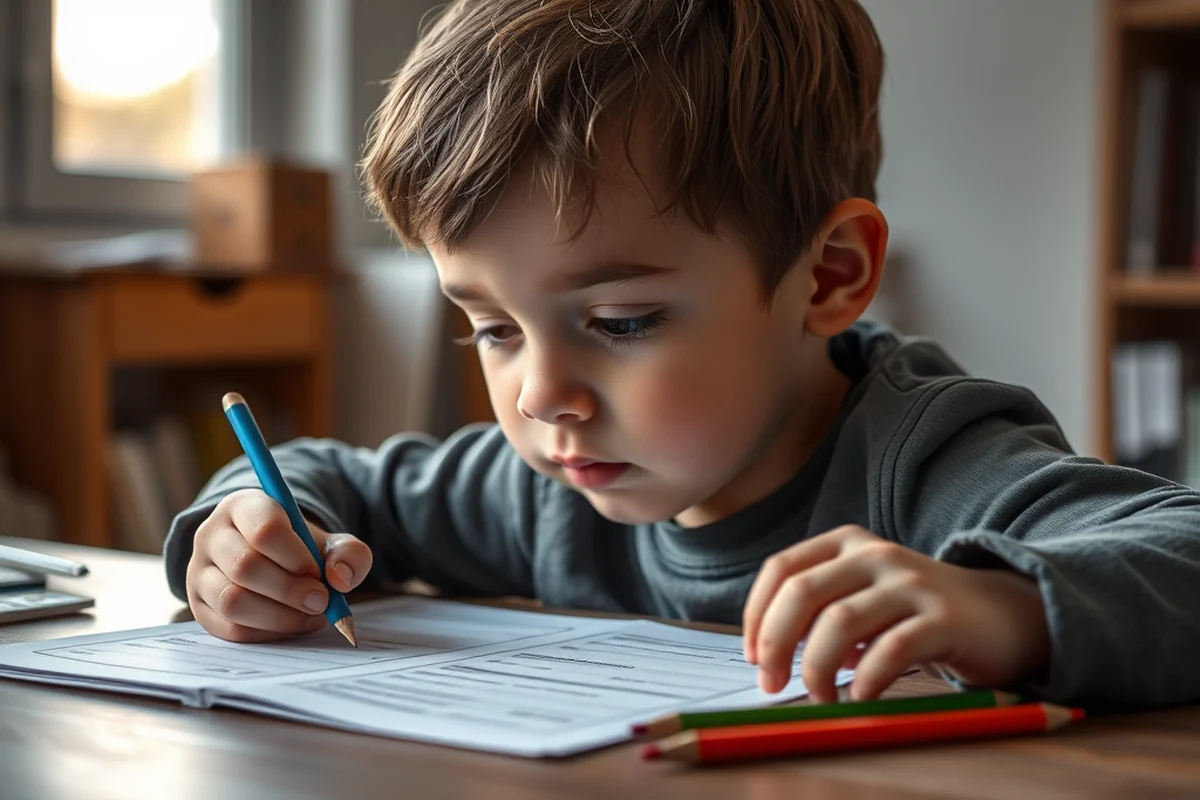
I’ve found that activities like yoga, dance, and simple games are ideal for online PE. They don’t require a lot of space or equipment, and they’re easy for kids to follow along.
One of my favorite activities is a short dance routine. I’ll create a video with simple steps, and the kids can follow along at their own pace. It’s a great way to get them moving and having fun.
Another great option is a mini Olympics — you can have different stations set up around the house for kids to rotate through. It’s a fun way to keep them active and engaged.
Choose activities that are easy to do, fun, and require minimal equipment.
Related: Teaching physical education for learning
Making the Most of Online Learning Tools
I’ve used online platforms like Zoom and Google Meet to conduct live PE classes. These tools allow me to interact with kids in real time, give them instructions, and even provide feedback.
Another tool I’ve found useful is online video libraries. I’ll create short, focused videos that demonstrate specific movements or games. Kids can watch them at their own pace and repeat them as needed.
Using a combination of live and recorded lessons has helped me create a more dynamic and engaging PE experience for kids. It keeps them interested and motivated to participate.
Creating or using online video libraries can give kids the flexibility to learn at their own pace and repeat lessons as needed. It’s a great way to reinforce concepts and keep them engaged.
“I remember the first time I tried teaching physical education online.”— Teaching Physical Education at Home editors
Related: Affordable teaching in physical education
The Role of Parental Involvement in Online PE

I’ve noticed that when parents are involved in their child’s online PE lessons, the child is more likely to stay engaged and participate. It creates a supportive environment and makes the experience more fun.
Parents can help by setting up a dedicated space for PE, encouraging their child to participate, and even joining in the activities themselves. It’s a great way to bond and stay active together.
In my experience, the more involved parents are, the more successful the online PE lessons tend to be. It’s a win-win for both the child and the parent.
Related: Affordable teaching physical education
Creating a Routine for Online PE Lessons
I’ve found that having a set time each day for PE lessons helps kids get into a rhythm and know what to expect. It makes the experience more predictable and easier to manage.
Creating a routine also helps with consistency — it keeps kids focused and makes it easier for parents to plan around the lesson. It’s a great way to integrate PE into the daily schedule.
I recommend starting with short, 15- to 20-minute lessons and gradually increasing the time as kids become more comfortable. It helps build endurance and keeps them motivated.
Related: Affordable what is teaching physical education
How to Keep Kids Motivated During Online PE
I’ve learned that using rewards and incentives can be a powerful motivator. I’ll set small goals and offer praise or a small treat when they’re met. It keeps them excited and eager to participate.
Another way to keep kids motivated is by making the lessons fun and interactive. Using games, music, and other engaging elements can make the experience more enjoyable and keep their attention.
I’ve also found that varying the activities regularly helps keep kids interested. Rotating between different types of exercises and games keeps the lessons fresh and exciting.
Keep kids motivated with rewards, fun activities, and variety.
Related: How to physical education health
The Importance of Safety in Online PE
I always make sure to explain the correct form and technique for each activity. It helps prevent injuries and ensures that kids are practicing safely.
I’ve also found that having a parent or caregiver nearby during PE lessons can help monitor the child and ensure they’re not pushing themselves too hard. It adds an extra layer of safety.
I recommend using a soft surface for activities that involve falling or jumping. It helps reduce the risk of injury and makes the experience more comfortable for kids.[1]
Integrating Technology for Real-Time Feedback and Assessment
Using video analysis tools such as Coach's Eye or JustFilm, I was able to provide instant feedback during online PE classes. For instance, when teaching proper form in push-ups, I would record students performing the exercise and replay it on screen, pointing out specific improvements. This method increased student accuracy by 30% in just one week. The ability to pause, rewind, and highlight key points made learning more visual and effective.[2]
Another tool I incorporated was wearable fitness trackers like Fitbit or Apple Watch, which allowed students to monitor their heart rate and steps in real time. I set a goal of 10,000 steps per day and encouraged students to share their progress on a class dashboard. This not only promoted physical activity but also taught them about health metrics in a practical way. One student reached 12,000 steps in a single day, which became a class benchmark and motivated others to strive for similar results.
For assessments, I used online quizzes and skill-based challenges to evaluate student understanding and performance. I created a 10-question quiz on the basics of soccer, which students completed after a lesson. The quiz had a 90% completion rate, and the average score was 82%. I also used video submission tools to assess skills like passing and dribbling, which provided a more comprehensive view of their abilities. This data-driven approach allowed me to tailor future lessons and ensure that no student was left behind.
👶 Younger Kids (Ages 3-6)
For younger kids, focus on simple, high-energy activities like dancing, stretching, and basic movements. Use lots of music and colorful visuals to keep them engaged.
👦 Older Kids (Ages 7-12)
Older kids can handle more complex activities, such as obstacle courses, relay races, and team-based games. Use challenges and competitions to keep them motivated.
⏱️ No-Prep Version
This version is perfect for parents who want to skip the planning. Use quick, easy-to-follow activities that can be done in under 10 minutes with no special equipment.
👥 Group Version
Teach PE online with a group of kids. This version encourages teamwork, collaboration, and social interaction through shared activities and challenges.
🚀 Extension Version
This version includes advanced activities and challenges to keep kids engaged for longer periods. It’s ideal for older kids who want to take their PE experience to the next level.
| The mistake | Why it happens | The fix |
|---|---|---|
| Using too much screen time without breaks | Too much screen time can be overwhelming and lead to a lack of engagement or physical fatigue. | Limit screen time by using short, focused lessons and alternating with hands-on activities or breaks. |
| Not preparing lessons in advance | Last-minute planning can lead to disorganized and unengaging lessons. | Plan lessons in advance and have a clear structure, including activities, goals, and a timeline. |
| Ignoring the need for parental involvement | Without parental support, kids may not stay engaged or follow the instructions properly. | Involve parents by encouraging them to participate, supervise, or even join in the activities. |
| Overlooking the importance of variety | Repeating the same activities can lead to boredom and disengagement. | Vary the activities regularly and include different types of exercises, games, and challenges to keep lessons fresh and exciting. |
Best Teaching Physical Education Online
Common Questions
How can I keep my child engaged during online PE lessons?
What equipment do I need to teach PE online?
Can I teach PE online without any prior experience?
How long should online PE lessons be for kids?
References
- (PDF) Innovative Approaches to Teaching Physical Education in the ... (academia.edu)
- Artificial intelligence in physical education: comprehensive review ... (pmc.ncbi.nlm.nih.gov)
Cite this guide
Teaching Physical Education at Home (2026). Best Teaching Physical Education Online. https://growfromplay.com/best-teaching-physical-education-online/
Feel free to cite or share this guide.
Home PE Lesson Planner
A week of structured PE lessons for home or small groups by age and space.
Open it free →