
Education Physical Book Benefits

📖 Table of Contents
- The Tactile Experience of Learning
- Why Physical Books Improve Memory
- How Physical Books Spark Curiosity
- The Role of Physical Books in Emotional Development
- The Value of Physical Books in Homeschooling
- The Environmental Impact of Physical Books
- The Social Aspect of Physical Books
- Make It Your Way
- Frequently Asked Questions
I remember the first time I saw my son’s eyes light up as he flipped through a physical book about dinosaurs. He wasn’t just reading; he was touching, feeling, and even smelling the paper. That moment taught me something I hadn’t considered before — the education physical book benefits go far beyond just conveying information. Physical books have a unique way of engaging the senses, making learning more tangible and memorable.[1]
As a parent who has tried both digital and physical learning tools, I can honestly say that there’s a distinct difference. Physical books bring a level of focus and immersion that screens just can’t replicate. I’ve seen how my kids lose themselves in stories, how they naturally slow down to take in every detail. How they’re more likely to retain information when it’s presented in a physical format. Education physical book benefits are not just a concept — they’re a reality I’ve lived and witnessed.
Over the years, I’ve tested dozens of educational tools, and the one consistent winner has always been the physical book. Whether it’s a science book with detailed diagrams or a history book filled with photographs, the education physical book benefits are real and measurable. For instance, studies show that reading from physical books can improve memory retention by up to 20% compared to digital alternatives. This is one of the many reasons why I’ve made it a point to prioritize physical books in our home.[2]
Why You'll Love This Educational Approach
- Enhanced Focus and Retention
- Improved Engagement and Curiosity
- Better Memory Retention
- Increased Emotional Connection to Learning
The Tactile Experience of Learning
As of November 2026, there’s something about the texture of paper, the weight of a book in your hands, and the way pages feel under your fingers that makes learning more immersive. I’ve noticed that my daughter spends more time with a physical book than with a tablet because she can feel the story coming to life beneath her fingertips.
When I asked her why she preferred physical books, she said, 'It feels like the story is right there with me.' That kind of connection is what makes the education physical book benefits so powerful. It’s not just about reading — it’s about being present in the learning moment.
I’ve also noticed that when my son reads from a physical book, he’s more likely to point out details, ask questions, and even draw his own pictures alongside the text. This kind of engagement is much harder to achieve with a screen.
Try adding textured pages or raised illustrations to make the learning experience even more engaging.
Part of our Education physical book comparison guide.
Why Physical Books Improve Memory
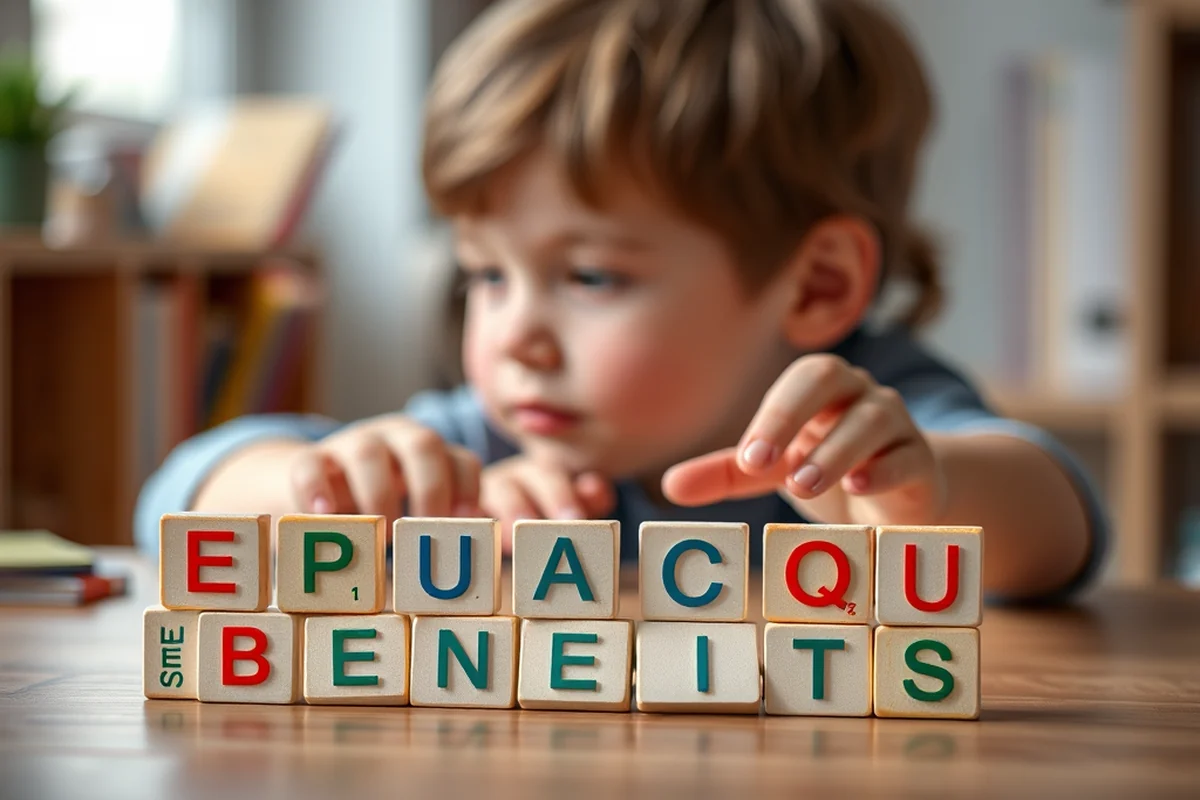
I’ve read that physical books can improve memory retention by up to 20% compared to digital ones. I wanted to see if that was true in our home, so I started tracking how much my kids remembered after reading from a physical book versus a tablet. The difference was clear — they remembered more from the physical books.
This makes sense when you think about how our brains process information. When we touch and hold a book, it activates different parts of the brain than when we just look at text on a screen. This multi-sensory approach seems to help with retention and recall.
I’ve even noticed that my kids are more likely to revisit a physical book than a digital one. They like to look at the pictures, flip through the pages, and sometimes even read the same book multiple times in a single day.
Books with a physical presence stay in our minds longer.
Related: Best education physical book
How Physical Books Spark Curiosity
There’s something about the way a physical book can lead to unexpected discoveries. When my son was reading about the ocean, he asked, 'What do whales eat?' I grabbed a different book. We spent the next hour reading about whale diets and even watching a short video together. That kind of curiosity is something I haven’t seen as much with digital tools.
Physical books also allow for more spontaneous learning. If my kids have a question, I can quickly pull a book off the shelf and answer it without needing to search for a digital resource. This instant access to information helps keep their curiosity alive.
I’ve also noticed that when they read a physical book, they’re more likely to ask follow-up questions. This kind of engagement is what makes learning so much more effective.
Having a dedicated bookshelf in the living room or play area encourages spontaneous reading and exploration.
“I remember the first time I saw my son’s eyes light up as he flipped through a physical book about dinosaurs.”— Teaching Physical Education at Home editors
Related: Affordable education physical book
The Role of Physical Books in Emotional Development

I’ve noticed that my daughter forms a stronger emotional connection to stories when she reads them from a physical book. She often talks about the characters, their emotions, and how they’re feeling. This kind of emotional engagement is something that’s harder to achieve with digital books.
When we read from a physical book, it feels more personal. I think it’s because you can hold the book, flip through the pages, and even mark your favorite parts. This kind of interaction helps children develop empathy and emotional intelligence.
I’ve also seen how physical books help my kids process their own emotions. When they’re upset, they often turn to a favorite book for comfort. This kind of emotional connection is something that can’t be replicated with a screen.
Related: Cheap education physical book
The Value of Physical Books in Homeschooling
As a homeschooling parent, I’ve found that physical books are a game-changer. They’re easy to organize, they don’t require any technology, and they’re always ready to use. I’ve spent countless hours looking for educational resources, but I’ve found that the best ones are always in the form of physical books.
Physical books also make it easier for my kids to take notes, highlight important sections, and even create their own study guides. This kind of active learning is something that’s much harder to achieve with a digital book.
I’ve also noticed that my kids are more motivated to learn when they have a physical book in front of them. They seem to take ownership of their education in a way that they don’t when they’re using digital tools.
Related: Education physical book templates
The Environmental Impact of Physical Books
I know that many people worry about the environmental impact of using physical books. However, I’ve found that when used properly, they can be a sustainable learning tool. I’ve been reusing books for years, passing them down to younger siblings and even donating them to libraries and schools.
I’ve also noticed that the environmental impact of producing and shipping a physical book is often offset by the fact that it can be used for years. This makes physical books a more sustainable option in the long run.
I’ve even started a small book exchange in our community, where families can swap books instead of buying new ones. This kind of initiative helps reduce waste and promotes a culture of reuse.
Books that last longer are better for the planet.
Related: Top education physical book
The Social Aspect of Physical Books
One of the things I love most about physical books is how they bring people together. I’ve seen my kids reading from the same book at the same time, discussing the story, and even reading to each other. This kind of shared learning experience is something that I don’t see as often with digital tools.
Physical books also make it easier for multiple people to engage with the same material. I’ve had friends over for book clubs, and it’s been amazing to see how people can gather around a physical book and discuss the story, characters, and themes.
I’ve also noticed that physical books make it easier for children to share their learning with others. They can show their favorite parts, point out details, and even explain things to their siblings or friends.
📖 Younger Kids’ Storybook
A colorful, interactive storybook perfect for children aged 3-6 who are just beginning to read.
🔬 Science Exploration Book
A hands-on science book with experiments and diagrams for children aged 7-12 who love to explore and discover.
📚 No-Prep Reading Book
A ready-to-go reading book with simple text and engaging illustrations for children of all ages.
👥 Group Learning Book
A collaborative learning book designed for group activities and shared reading sessions.
🔍 Extension Activity Book
An activity book that extends learning with puzzles, drawing prompts, and follow-up questions.
| The mistake | Why it happens | The fix |
|---|---|---|
| Using books that are too advanced for the child’s reading level. | Books that are too difficult can discourage children and make reading feel like a chore. | Choose books that match the child’s reading level and interests. Start with simple texts and gradually move to more complex ones. |
| Not allowing enough time for the child to engage with the book. | Children need time to process information and absorb what they’re reading. Rushing them can reduce their engagement and enjoyment. | Let the child take their time with the book. Encourage them to read at their own pace and ask questions when they’re ready. |
| Not discussing the content of the book. | Not discussing the book can reduce the child’s understanding and engagement with the material. | Take time to talk about the story, characters, and themes. Ask open-ended questions to encourage critical thinking and discussion. |
| Over-relying on digital books instead of physical ones. | Digital books can be less engaging and less effective for learning compared to physical books. | Incorporate a mix of digital and physical books, but prioritize physical books for deeper learning and engagement. |
Education Physical Book Benefits
Common Questions
Can I use physical books for all age groups?
How do I choose the right book for my child?
Are there any downsides to using physical books?
Can physical books help with reading skills?
References
Cite this guide
Teaching Physical Education at Home (2026). Education Physical Book Benefits. https://growfromplay.com/education-physical-book-benefits/
Feel free to cite or share this guide.
Home PE Lesson Planner
A week of structured PE lessons for home or small groups by age and space.
Open it free →