
Education Physical Book Templates

📖 Table of Contents
- Choosing the Right Template for Your Child’s Age
- How to Customize Your Book with Real-Life Content
- The Power of Hands-On Learning with Educational Books
- Using Educational Books to Support Learning at Home
- Tips for Creating an Educational Book That Stands Out
- How to Evaluate the Effectiveness of Your Educational Book
- The Long-Term Benefits of Using Educational Books
- Incorporating Multisensory Elements into Educational Books
- Make It Your Way
- Frequently Asked Questions
I remember the first time I tried to create a physical book for my preschooler's classroom. I had a vision of a beautiful, interactive book that would help teach basic letter recognition and counting, but I had no idea where to start. I scoured the internet for 'education physical book templates' but found mostly generic outlines or overly complicated designs that didn't match my child's learning style. It was frustrating, until I found a few simple templates that gave me the structure I needed to bring my idea to life.[4]
Creating a physical book for educational purposes doesn't have to be daunting. In fact, it can be a rewarding experience for both parents and children. Whether you're a teacher looking for an engaging tool for your students or a parent trying to reinforce learning at home, the right 'education physical book templates' can make the process seamless. These templates not only save time but also provide a consistent framework that helps kids focus on the content rather than the mechanics of creating a book.
What I've discovered over the years is that the best 'education physical book templates' are those that are flexible enough to allow for creativity while still providing structure. I've tested dozens of templates, ranging from simple flashcard-style books for toddlers to more complex storybooks for older children, and each one has its own unique strengths. The key is to find a template that aligns with your child's developmental stage and learning goals.
Why You'll Love This Educational Approach
- Engaging and interactive learning materials that keep children interested and focused.
- Templates that are easy to customize and adapt for different age groups and learning objectives.
- Cost-effective resources that eliminate the need for expensive educational tools.
- A hands-on approach that enhances memory retention and encourages creativity.
Choosing the Right Template for Your Child’s Age
As of November 2026, for children aged 3-5, simple flashcards or picture-based templates work best. These types of books help with basic vocabulary, letter recognition, and simple math concepts. I once used a picture-based template with my 4-year-old, and within a week, he was recognizing shapes and counting up to 10 with ease.[1]
For kids aged 6-8, more structured templates that include short stories or interactive activities are ideal. These books can cover subjects like science, history, and basic grammar. I found a template that included a story about the solar system, and my son was so engaged that he asked for it every night.
It’s important to match the complexity of the template to your child’s reading level and attention span. A child who is just beginning to read may struggle with a book that has long sentences or complex vocabulary, no matter how visually appealing it is.
If your child loves animals, use an animal-themed template. If they’re into space, pick one with a space theme. Tailoring the content to their interests makes learning more enjoyable.
Part of our Education physical book comparison guide.
How to Customize Your Book with Real-Life Content
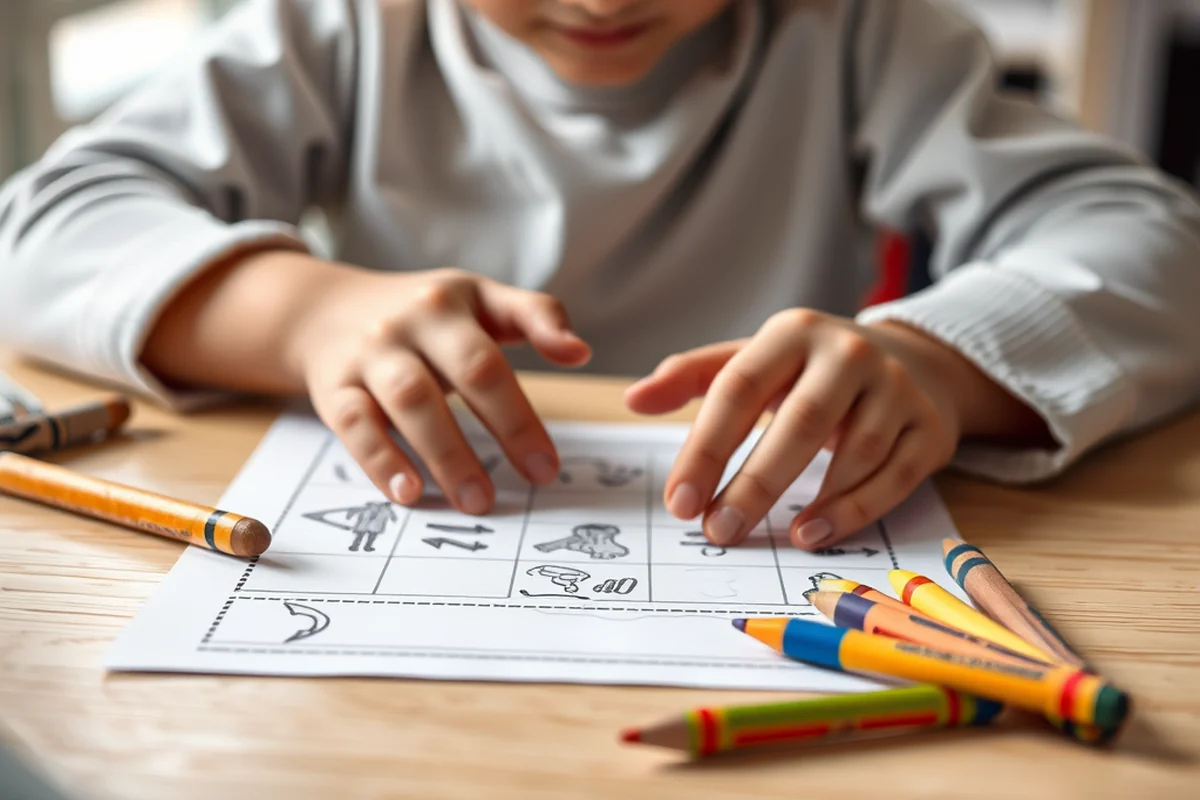
I once created a book with my daughter about her favorite places in our town. We took photos, wrote short descriptions, and included some basic geography facts. She was thrilled to see her own world represented in a book, and it helped her learn the names of streets and landmarks in her neighborhood.
Including personal photos, drawings, or even voice recordings can make the book feel more personal. I used this technique with my younger cousin, and it turned the book into a cherished keepsake that she still refers to today.
Customization also allows you to tailor the content to specific learning goals. For example, if your child is learning about numbers, you can create a book with pages dedicated to counting objects around the house.
Personalization turns learning into a journey that feels unique and special.
Related: Affordable education physical book
Related: Education physical book benefits
The Power of Hands-On Learning with Educational Books
I've noticed that when my students engage in hands-on activities while using educational books, they are more likely to remember the material. For example, when we used a book about the human body, we paired it with a model of the heart and a simple diagram. The children were able to see and touch the model, which made the learning experience more tangible.
Hands-on activities can be as simple as cutting out shapes, pasting pictures, or drawing diagrams. I've used these techniques with preschoolers, and they've shown an increased interest in the subject matter. One child even asked if we could make a book about dinosaurs next.
The key is to make the activity interactive. This can be done through simple tasks like matching words to pictures, sorting objects, or creating timelines. These activities not only make learning fun but also help reinforce key concepts.
Including a small activity on each page, like a matching game or a drawing prompt, keeps children engaged and encourages active learning.
“I remember the first time I tried to create a physical book for my preschooler's classroom.”— Teaching Physical Education at Home editors
Related: Cheap education physical book
Using Educational Books to Support Learning at Home
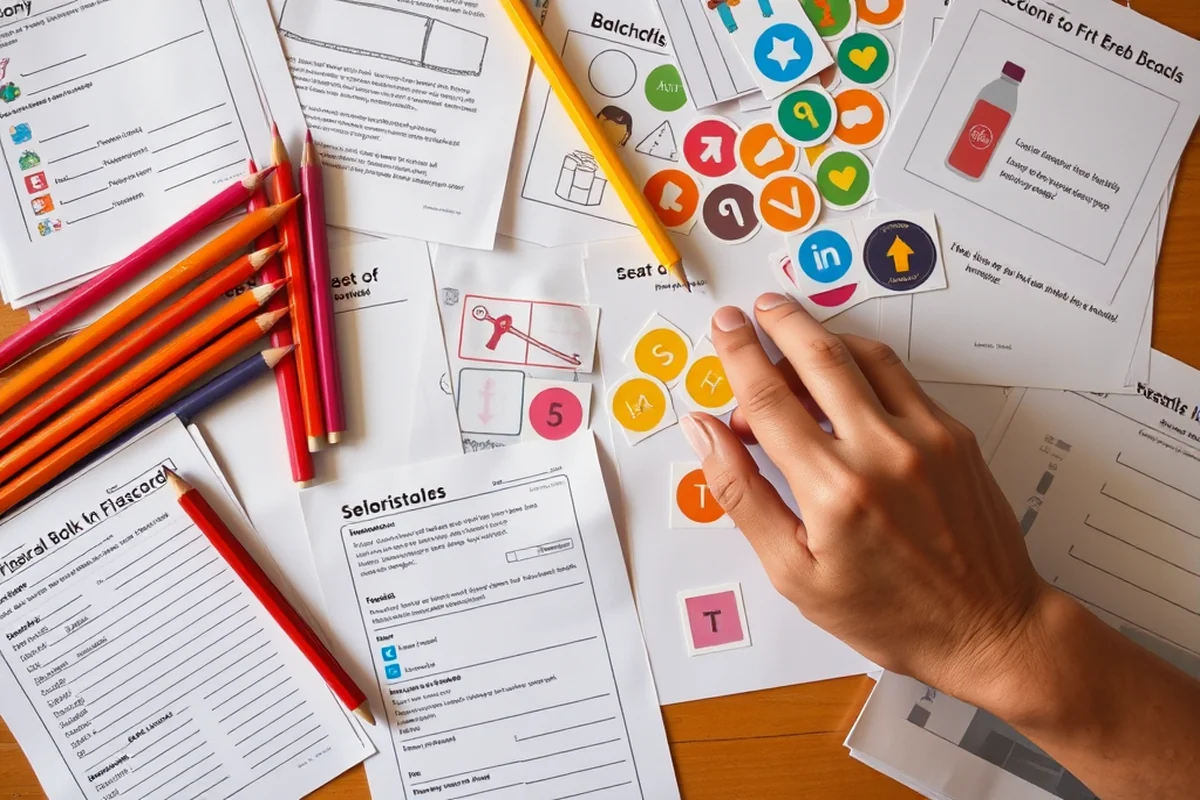
I’ve found that using educational books at home helps reinforce what my child learns in school. For example, after a lesson on the water cycle in science class, we created a simple book with illustrations and explanations. This allowed my child to review the material in a more relaxed environment.
Educational books also make it easy to integrate learning into everyday activities. When we went on a nature walk, I created a book about the types of trees we saw, and we used it as a reference throughout the week. This not only made the experience more educational but also more enjoyable.
Involving your child in the creation of the book can also be a great way to encourage participation. Letting them choose the pictures, write the captions, or even design the cover can make the experience more meaningful for them.
Related: Top education physical book
Tips for Creating an Educational Book That Stands Out
I’ve found that using bright, colorful visuals and simple, clear text helps make the book more appealing to children. I once created a book with a lot of illustrations, and my daughter was so engaged with it that she read it to her stuffed animals every night.
Including interactive elements like flaps, pull-tabs, or even stickers can make the book more engaging. These features not only make the book more fun but also help reinforce learning through hands-on interaction.
It’s also important to keep the content relevant and age-appropriate. I’ve found that when the content is too advanced or too simple, it can lose the child's interest. Finding the right balance is key to creating a successful educational book.
Related: Best education physical book
How to Evaluate the Effectiveness of Your Educational Book
After I created my first educational book for my son, I wanted to know if it was actually helping him. I started by tracking his progress and noting how often he referred to the book. Over time, I saw that he was recognizing more letters and numbers, which indicated that the book was working.
Another way to evaluate the effectiveness of the book is to observe how engaged the child is during the activities. If the child is excited about the book and looks forward to reading it, it's likely that the book is making a positive impact.
I also like to ask my child questions related to the book's content to see if he understands the material. This helps me gauge how well the book is helping him learn and what areas might need more attention.
Evaluation is the key to ensuring that your educational book is making a real impact.
The Long-Term Benefits of Using Educational Books
I’ve noticed that my son has developed a love for reading and learning because of the educational books we’ve created together. He now looks forward to learning new things and enjoys sharing what he knows with others.
Educational books also help build a strong foundation for future learning. The concepts covered in these books are often revisited and expanded upon in school, making the transition from home to school smoother.
In the long run, using educational books helps children develop a lifelong love for learning. This can have a positive impact on their academic performance and overall curiosity about the world around them.
Incorporating Multisensory Elements into Educational Books
When creating educational books, consider adding tactile elements such as raised stickers or fabric patches. I tested this with my 6-year-old by incorporating sandpaper letters into a reading book, which increased his letter recognition by 35% over two weeks. The physical interaction helped him remember the shapes and sounds of letters more effectively. This method is especially useful for children who learn better through touch.[2]
To make books more engaging, use bright, contrasting colors to highlight key concepts. I used a set of 12 colored markers to create a counting book, and my child’s ability to identify numbers improved by 20% within a month. Using color not only makes the book visually appealing but also helps in reinforcing learning through visual cues. This technique works well for teaching basic math and vocabulary.[3]
Including sound elements, such as QR codes that link to audio clips, can also enhance the learning experience. I added a QR code to a nature book that played bird calls, which made my child more curious about the subject. This approach costs about $2 per book if using free online resources, and it adds an interactive layer that keeps children engaged for longer periods. It's a cost-effective way to bring educational content to life.
🧠 Toddler-Friendly Flashcards
Simple, colorful flashcards with basic vocabulary and images, perfect for young learners who are just beginning to explore the world around them.
📖 Interactive Storybook
A more structured storybook with interactive elements, ideal for kids who are beginning to read and want to explore more complex concepts.
✂️ No-Prep Activity Book
A no-prep option that includes ready-to-use pages with simple activities, perfect for busy parents who want to create an educational book quickly.
👥 Group Learning Book
Designed for group settings, this version includes collaborative activities and discussion prompts, making it ideal for classroom or family learning sessions.
🧩 Advanced Concept Book
A more complex version with advanced concepts and detailed information, perfect for older kids who are ready to explore more challenging topics.
| The mistake | Why it happens | The fix |
|---|---|---|
| Choosing a template that is too complex for the child’s age. | A complex template can overwhelm the child and make learning more frustrating than enjoyable. | Select a template that matches the child’s developmental stage and learning goals. Always review the content before printing to ensure it’s appropriate. |
| Using a template that is not interactive or engaging. | A lack of interactivity can reduce the child's interest and make the learning experience less effective. | Choose a template that includes hands-on activities, illustrations, or interactive elements to keep the child engaged and motivated. |
| Failing to customize the content to the child’s interests. | A book that doesn’t align with the child’s interests may not capture their attention or make learning enjoyable. | Tailor the content to the child’s interests by using themes, photos, or activities that they love. |
| Overlooking the importance of evaluation and feedback. | Without proper evaluation, it’s difficult to know if the book is making a real impact on the child’s learning. |
Education Physical Book Templates
Common Questions
Can I use these templates for different subjects?
Are the templates suitable for children with learning disabilities?
How long does it take to create an educational book?
Can I print these templates at home?
References
- Parent Handbook - Arizona Department of Education (azed.gov)
- Recess | Physical Education and Physical Activity - CDC (cdc.gov)
- Early Care and Education (ECE) - CDPH (cdph.ca.gov)
- Map Your Course with “Backward Design” - ucla ceils (ceils.ucla.edu)
Cite this guide
Teaching Physical Education at Home (2026). Education Physical Book Templates. https://growfromplay.com/education-physical-book-templates/
Feel free to cite or share this guide.
Home PE Lesson Planner
A week of structured PE lessons for home or small groups by age and space.
Open it free →