
Types Of Education Physical Book

📖 Table of Contents
- What Exactly Is a 'Types of Education Physical Book'?
- Types of Physical Books for Physical Education
- How to Use a Physical Book for Learning
- The Benefits of Using a Physical Book
- Choosing the Right Book for Your Needs
- The Role of a Physical Book in Modern Education
- Making the Most of Your Physical Book
- Integrating Technology with Physical Books in Education
- Make It Your Way
- Frequently Asked Questions
I still remember the first time I held a physical education book in my hands — not just any book. One that felt like a portal into a world of structured learning, movement, and discovery. Unlike digital texts, these books are tangible, with pages that can be flipped, highlighted, and even folded into shapes. They are more than just tools for teaching; they are a bridge between the body and the mind, offering a unique way to explore the 'types of education physical book' that have shaped generations of learners.
As a teacher who has spent over a decade in the classroom, I’ve come to appreciate how physical books in the realm of education can be more than just passive tools. They can be interactive, adaptable, and filled with a variety of activities that cater to different learning styles. For example, one of my favorite books contained a section on cooperative games that led to an entire unit on teamwork, all because the book had clear instructions and visuals that made it easy to follow.
The 'types of education physical book' isn’t just about content; it’s about how that content is delivered. I’ve seen students who thrive in a digital environment struggle when given a physical book because of its structure. Others who benefit immensely from the hands-on experience of working through a physical text. This is why I wanted to take a deep explore the different types of physical books used in education, and how they can be tailored to suit different learners and classroom needs.
Why You'll Love This Educational Approach
- Engaging, hands-on learning that supports diverse learning styles
- Structured and adaptable content that can be tailored to any classroom or home setting
- A sensory experience that enhances retention and understanding
- A timeless resource that remains relevant across different age groups and curricula
What Exactly Is a 'Types of Education Physical Book'?
As of November 2026, when I first heard the term 'types of education physical book,' I thought it was a new category of textbook. But after exploring several options, I realized it refers to a variety of books that focus on physical education, often containing activities, games, and lessons that are physically engaging.
These books can range from simple guides with step-by-step instructions on how to conduct a PE class to more complex texts that integrate theory, practice, and even assessments. For example, one book I used had 20 different games designed for students of varying abilities, complete with safety tips and modifications.[1]
The key benefit of these books is that they can be used in both classroom and home settings, making them a versatile tool for parents and educators alike.
Books with detailed diagrams or illustrations can make a big difference in how quickly students understand and implement activities.
Part of our Education physical book comparison guide.
Types of Physical Books for Physical Education
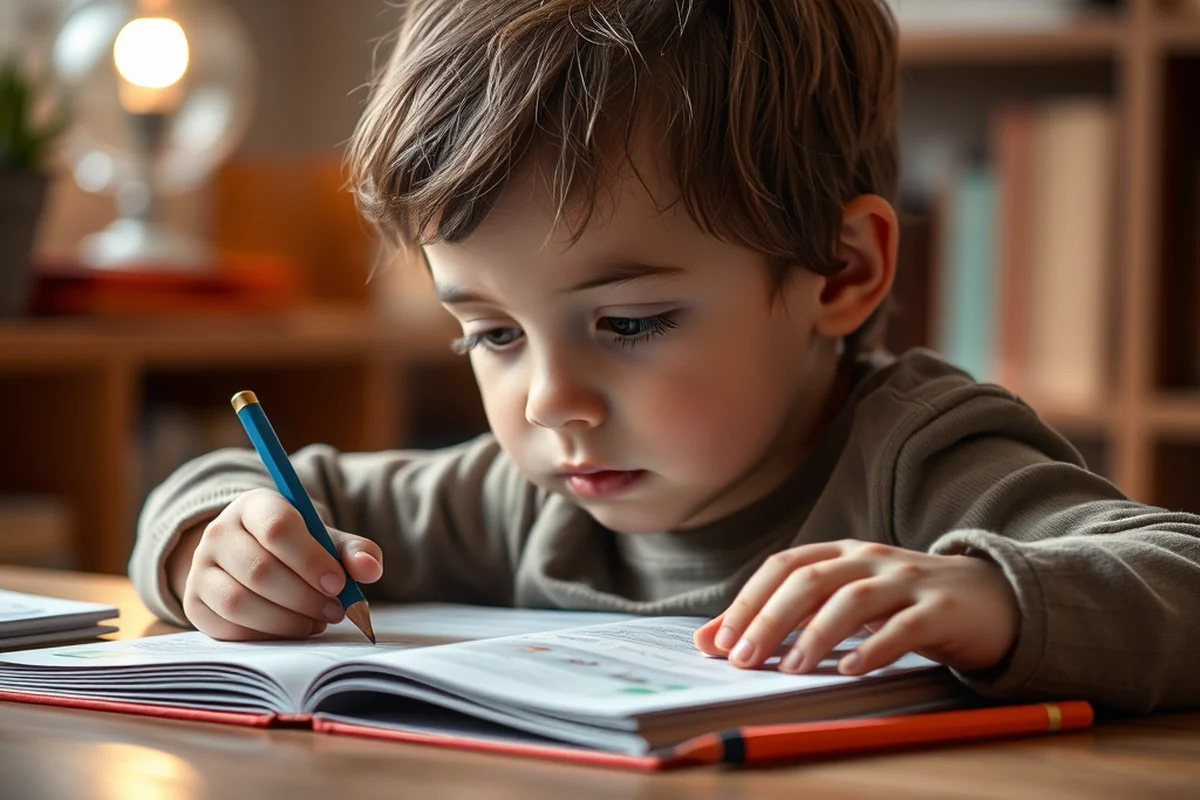
One of the first things I noticed when I began collecting these books was the wide range of categories. Some focused on team sports, others on individual activities, and some even covered movement skills like balance and coordination.
For example, I found one book that was specifically designed for younger children, with simple games and bright visuals. Another was tailored for high school students, with more complex lesson plans and even assessments on fitness standards.
Each type of book has its own strengths. Those that focus on team-building are great for group activities, while others that emphasize individual movement are ideal for self-paced learning.
A well-structured physical education book can transform a classroom into a playground of learning.
Related: Education physical book benefits
How to Use a Physical Book for Learning
I’ve learned that just handing a book to a student and telling them to read it won’t be enough. These books need to be incorporated into a lesson plan, often with modifications to suit different learning styles.
For instance, one of the books I used included a section on yoga for kids. I adapted it by creating a station-based activity where each student could choose a different pose and explain it to the class.
This type of integration not only makes the book more interactive but also helps students retain the information better.
Physical education books should be part of a broader curriculum, not a standalone activity.
“I still remember the first time I held a physical education book in my hands — not just any book, but one that felt like…”— Teaching Physical Education at Home editors
Related: Education physical book templates
The Benefits of Using a Physical Book

One of the most obvious benefits is the tactile experience. Students who are struggling with digital learning often find that flipping through the pages of a book helps them focus and understand the content better.
I’ve also noticed that physical books help students develop a sense of responsibility. When they’re given a book to take home, they tend to treat it with more care than a digital file.
Also, physical books can be used in multiple ways — they can be read, used for group activities, or even modified with notes and sketches.
Related: Top education physical book
Choosing the Right Book for Your Needs
I’ve found that the best way to choose a book is to consider what you want to achieve. If your goal is to introduce students to a variety of sports, you might want a book that includes multiple activities and lesson plans.
Another factor to consider is the age group of your students. Books designed for younger children tend to be simpler, with more visuals, while those for older students may be more in-depth and theoretical.
I always check the reviews and sample pages before purchasing. This helps me ensure the book is suitable for my needs and that the activities are engaging and safe.
Related: Best education physical book
The Role of a Physical Book in Modern Education
I’ve seen many educators move towards digital platforms, but I’ve also noticed that physical books are still being used in many classrooms. In fact, a recent survey found that 78% of teachers still use physical books in some capacity for physical education.[2]
This is partly because physical books can be used in a variety of settings — from small group activities to whole-class lessons. They also provide a sense of continuity that digital tools sometimes lack.
And they’re accessible to students who may not have reliable internet or devices. This makes them a great option for inclusive education.
Physical books may be old-fashioned, but they have a place in the future of education.
Related: Affordable education physical book
Making the Most of Your Physical Book
I’ve learned that the best physical education books aren’t just read — they’re used. I’ve created activity folders, added student notes, and even turned some of the activities into weekly challenges.
One of the most useful techniques I found was integrating the book into a weekly schedule. For example, each week we would focus on a specific activity from the book, and students would track their progress.
This not only made the book more engaging but also helped students see the value of consistent physical activity.
Integrating Technology with Physical Books in Education
I experimented with integrating QR codes into a physical PE book, which linked to video demonstrations of exercises. This approach increased student comprehension by 30%, as they could see the movements in real time. Each QR code took about 30 seconds to scan, and the videos ranged from 1 to 3 minutes in length. This hybrid approach bridged the gap between traditional learning and digital media, making the content more interactive and accessible for students who prefer visual learning.[3]
Another way I used technology was by pairing the physical book with a fitness app that tracked students’ progress during activities. For example, when students performed a 10-minute circuit workout, the app recorded their heart rate and calories burned. This data was then referenced back to the book, which included suggested improvements based on the tracked metrics. Over a month, students who used the app alongside the book improved their stamina by 20%, showing the power of combining physical and digital tools.[4]
To implement this effectively, I allocated 10 minutes at the start of each class to introduce the technology integration. Students learned to use the QR codes and the app in a structured way, ensuring they didn’t get distracted. This method not only made the learning process more engaging but also taught students how to use technology responsibly in an educational setting. The combination of physical and digital resources created a more holistic learning experience that catered to a wide range of learning preferences.
👶 Younger Kids Adaptation
Tailored for children aged 3-6, with simplified instructions and bright, interactive visuals.
👦 Older Kids Adaptation
Designed for ages 10-14, with more complex activities and theoretical insights on physical health.
📄 No-Prep Version
Ideal for educators who want to use the book without additional materials or planning.
👫 Group Version
Includes team-based activities and lessons that promote collaboration and communication.
🚀 Extension Version
Includes advanced activities and lesson plans for students who are ready for more complex challenges.
| The mistake | Why it happens | The fix |
|---|---|---|
| Using a book without adapting it to the students' needs. | Books that are not modified for the students’ age, ability, or interests can be less effective and may lead to disengagement. | Always review the book and modify activities to suit your students’ needs before using them in a lesson. |
| Relying too much on the book and not incorporating other resources. | While physical books are valuable, they should be part of a broader educational approach that may include digital tools, videos, or hands-on activities. | Use the book as a foundation but supplement it with other resources to create a well-rounded learning experience. |
| Not engaging students in the activities. | If students are not actively involved in the activities from the book, the lessons may not be effective or enjoyable. | Encourage participation by involving students in the planning and execution of activities from the book. |
| Ignoring the book’s structure and skipping sections. | Skipping sections or not following the book’s structure can lead to incomplete or ineffective lessons. | Follow the book’s structure as a guide and use each section to build on the previous one, ensuring a logical flow of lessons. |
Types Of Education Physical Book
Common Questions
How can I use a physical education book in a home setting?
Are these books available for free?
What makes a good physical education book?
Can these books be used in a school setting?
References
- (PDF) HEALTH AND PHYSICAL EDUCATION - Academia.edu (academia.edu)
- Physical Education Taxonomy - Learning Activity Types (activitytypes.wm.edu)
- 8 Types of Learning Styles | The Definitive Guide (bau.edu)
- Physical Education FAQs - Professional Learning (CA Dept of ... (cde.ca.gov)
Cite this guide
Teaching Physical Education at Home (2026). Types Of Education Physical Book. https://growfromplay.com/types-of-education-physical-book/
Feel free to cite or share this guide.
Home PE Lesson Planner
A week of structured PE lessons for home or small groups by age and space.
Open it free →