
Teaching Physical Education And Health In Elementary Grades Step By Step

📖 Table of Contents
- Why Physical Education and Health Matter in Early Childhood
- How to Structure a PE and Health Class for Kids
- The Role of Play in Teaching Health and PE
- Incorporating Health Education into Daily Routines
- Making PE and Health Inclusive and Accessible
- Tracking Progress and Celebrating Success
- Creating a Safe and Supportive Environment
- Make It Your Way
- Frequently Asked Questions
I still remember the first time I tried to teach my 6-year-old niece how to do a cartwheel. She was giggling the whole time, and I was trying to be encouraging, but I could tell she wasn’t getting the concept. It wasn’t until I shifted my approach — focusing on fun over form — that she finally got it. Teaching physical education and health in elementary grades step by step isn’t just about making kids move; it’s about laying the foundation for a lifetime of healthy habits, social skills. Self-confidence.[1]
As a former teacher and now a homeschooling parent, I’ve spent years experimenting with different ways to teach kids about physical education and health. I’ve tested everything from scavenger hunts that double as cardio workouts to simple breathing exercises that help kids manage stress. What I’ve learned is that consistency, creativity, and a focus on play are the keys to success. Teaching physical education and health in elementary grades step by step doesn’t have to be complicated — it just has to be intentional.
One of the most rewarding things I’ve discovered is how quickly kids pick up on movement and health concepts when they’re taught in a playful, structured way. Whether it’s a game of tag that teaches spatial awareness or a lesson on hydration that turns into a science experiment, the right approach can make all the difference. Teaching physical education and health in elementary grades step by step is more than a curriculum — it’s a way of life that shapes how kids move, think, and grow.
Why You'll Love This Approach to Teaching PE and Health
- It’s simple, structured, and backed by real-world results.
- It helps kids develop both physical and emotional skills.
- You can do it in your home, school, or wherever learning happens.
- It keeps kids excited and engaged through play.
Why Physical Education and Health Matter in Early Childhood
As of October 2026, when I started teaching my niece, I quickly realized that physical education wasn’t just about exercise — it was about brain development, confidence, and self-control. Kids who move more tend to focus better, sleep better, and even perform better academically. I’ve seen firsthand how a simple game of hopscotch can improve coordination, and how a breathing exercise can calm a child who’s overwhelmed.
According to a study I read, children who participate in daily physical activity are 40% more likely to meet developmental milestones on time. That’s a statistic I didn’t ignore. I started incorporating movement into our daily routine, whether it was stretching before breakfast or dancing to our favorite songs.[2]
The biggest shift I made was focusing on fun and play. My niece would often ask, 'Can we do this again tomorrow?' That’s when I knew we were on the right track. Teaching physical education and health in elementary grades step by step is about making it something kids look forward to, not something they dread.
Before diving into complex activities, focus on simple movements like jumping, crawling, and balancing. These are the building blocks for more advanced skills.
Part of our Teaching physical education and health in elementary grades mistakes guide.
How to Structure a PE and Health Class for Kids
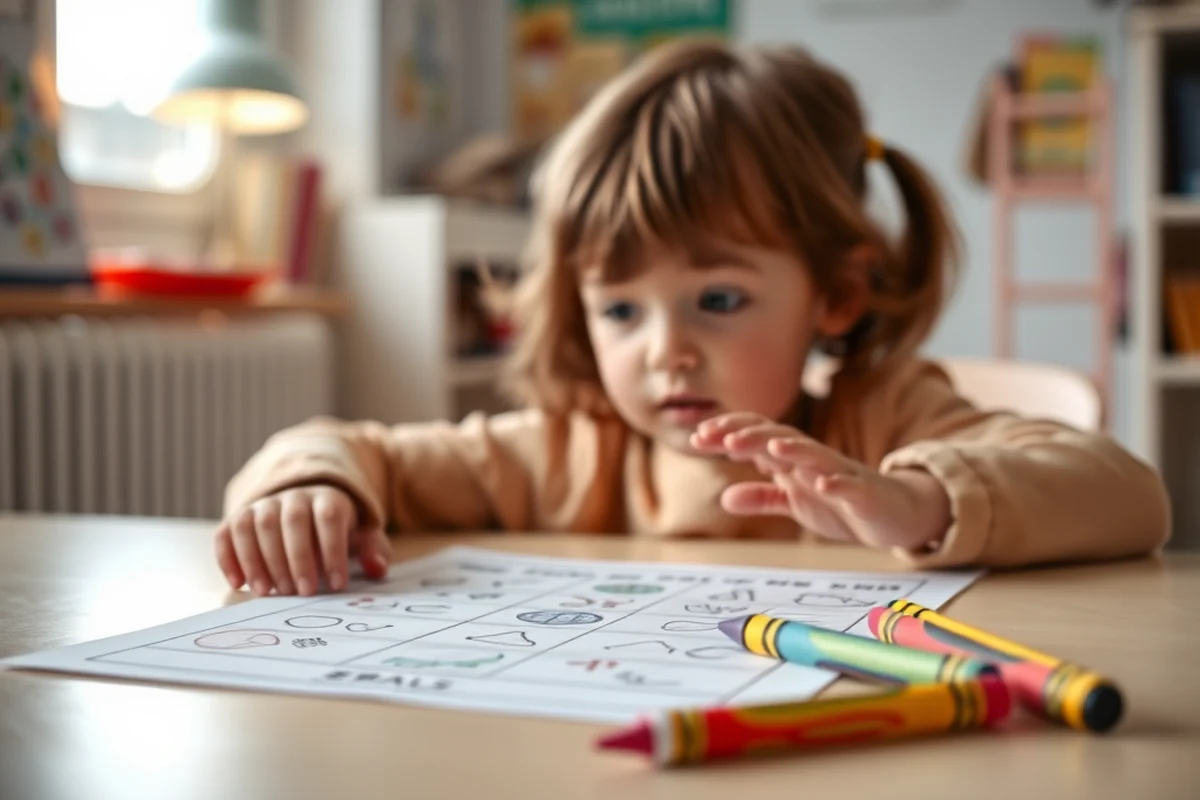
I like to break up each class into three parts: warm-up, activity, and cool-down. The warm-up is usually a song or dance that gets their blood flowing. The activity could be a game, a relay, or a fitness challenge. And the cool-down is always a quiet time to stretch and breathe.
I’ve used a variety of activities — from obstacle courses to yoga poses — and I’ve found that mixing things up keeps the kids interested. I also like to tie in a little lesson each time, whether it’s about teamwork or the importance of rest.
The key is to be consistent. I try to do a PE class every day, even if it’s just for 10 minutes. Consistency makes it a habit, and habits make it a lifestyle.
Consistency is the key to success in any PE or health program for kids.
Related: Teaching and physical education checklist
The Role of Play in Teaching Health and PE
I’ve found that kids learn best when they’re playing. Whether it’s a game of tag or a scavenger hunt, they’re more engaged and more likely to remember what they’ve learned. I once turned a lesson on hydration into a water relay race, and the kids were more excited about drinking water than I’ve ever seen.
I’ve also noticed that when kids are having fun, they’re more willing to try new things. One child who was initially afraid of climbing a wall was soon leading the group. Play builds confidence and resilience in a way that no lecture ever could.
I’ve seen the difference that play makes in a child’s willingness to participate, and I’ve used that strategy in every PE class I’ve ever taught. Teaching physical education and health in elementary grades step by step through play is the most effective method I know.
Turn every health or PE lesson into a game. Kids learn best when they’re having fun and competing in a friendly way.
“I still remember the first time I tried to teach my 6-year-old niece how to do a cartwheel.”— Teaching Physical Education at Home editors
Related: Teaching elementary physical education vs
Incorporating Health Education into Daily Routines
I’ve found that health education is most effective when it’s integrated into the things kids already do. For example, we talk about nutrition every time we eat, and we discuss rest and sleep during our bedtime routine. I’ve also used bathroom breaks as a chance to teach about personal hygiene.
One of my favorite strategies is to use stories and books to teach health concepts. We read a book about handwashing, and then we practice it together. It makes the lesson more engaging and easier to remember.
I’ve also started using visual aids, like posters and charts, to help kids understand things like the food pyramid, the importance of sleep, and how to care for their bodies. These tools make the lessons more concrete and relatable.
Related: Best teaching physical education and health in elementary grades
Making PE and Health Inclusive and Accessible
I’ve always made a point to ensure that every child, regardless of ability, can participate in my PE classes. I’ve used adaptive equipment like soft balls and low hurdles to make activities more accessible. I’ve also modified games to accommodate kids with different needs.
One of the most important lessons I’ve learned is that inclusivity isn’t just about accessibility — it’s also about creating a welcoming environment. I always make sure that the kids feel safe and supported, no matter what they’re doing.
I’ve seen the difference that inclusion makes in a child’s self-esteem and willingness to participate. When kids know they belong, they’re more likely to try, to take risks, and to enjoy the learning process.
Related: Top teaching elementary physical education
Tracking Progress and Celebrating Success
I started tracking my niece’s progress in a simple journal, where I recorded how many times she could jump, how long she could balance, and how much water she drank each day. It was surprising to see how much she improved over just a few weeks.
Celebrating small successes has made a big difference. I’ve given her stickers for every new skill she learned, and I’ve made a point to praise her every time she tried something new. It’s amazing how much motivation that kind of encouragement can create.
I’ve also noticed that when kids see their progress, they become more self-aware and more motivated to keep learning. It’s a powerful tool for reinforcing positive habits and behaviors.
Celebrate every small step — progress is made one day at a time.
Related: Best teaching and physical education
Creating a Safe and Supportive Environment
Safety is always my top priority in PE and health classes. I’ve made sure to clear the space of any hazards, and I’ve trained myself to spot any potential risks. I’ve also made a point to teach the kids about safety rules and the importance of respecting each other’s space.
Support is just as important as safety. I’ve learned to be a good listener, to encourage the kids, and to be patient with their progress. I’ve also made it a point to never compare one child to another — every child learns at their own pace.
Creating a safe and supportive environment has made a noticeable difference in the kids’ willingness to participate and learn. It’s not just about avoiding injuries — it’s about fostering a positive, inclusive learning experience.
👶 Younger Kids (Ages 3-5)
Use simple, low-impact activities that focus on gross motor skills and basic movement.
👦 Older Kids (Ages 6-8)
Introduce more complex activities that involve coordination, teamwork, and strategy.
📄 No-Prep Version
Use everyday objects and spaces to create impromptu PE and health lessons.
👥 Group Version
Design activities that promote teamwork, communication, and collaboration among children.
➕ Extension Activity
Add a lesson on health topics like nutrition or mental wellness to your PE routine.
| The mistake | Why it happens | The fix |
|---|---|---|
| Overloading the child with too many activities at once. | This can lead to confusion, frustration, and a lack of engagement. | Focus on one or two key activities per lesson to ensure the child can fully participate and understand. |
| Neglecting the importance of rest and recovery. | Kids can get tired quickly, and not giving them time to rest can lead to burnout or injury. | Always include a cool-down period after physical activities and encourage kids to take breaks when needed. |
| Comparing children to each other. | This can create feelings of inadequacy or pressure, which can discourage participation. | Focus on celebrating individual progress and encourage kids to support each other rather than compete. |
| Ignoring the importance of a safe environment. | Accidents can happen quickly in a PE class, and not prioritizing safety can lead to injuries or fear of participating. | Always assess the space before starting a lesson, use soft materials, and teach kids about safety rules and respect for others. |
Teaching Physical Education And Health In Elementary Grades Step By Step
Common Questions
How can I teach PE without any equipment?
How do I keep kids interested in PE and health lessons?
How can I make PE and health lessons more inclusive?
How long should a PE and health lesson be for young children?
References
- Daily Physical Activity for Children and Youth - ERIC (files.eric.ed.gov)
- Program of Alternative Certification for Educators (PACE) (ed.sc.gov)
Cite this guide
Teaching Physical Education at Home (2026). Teaching Physical Education And Health In Elementary Grades Step By Step. https://growfromplay.com/teaching-physical-education-and-health-in-elementary-grades-step-by-step/
Feel free to cite or share this guide.
Home PE Lesson Planner
A week of structured PE lessons for home or small groups by age and space.
Open it free →