
Top Physical Education And Teaching

📖 Table of Contents
- How Physical Education Can Be Taught at Home
- The Role of Play in Physical Education
- Simple Ways to Incorporate Physical Education Into Daily Life
- The Benefits of Consistent Physical Education at Home
- How to Make Physical Education Fun for Kids
- The Importance of Parental Involvement in Physical Education
- How to Measure Progress in Physical Education at Home
- Make It Your Way
- Frequently Asked Questions
I remember the first time I watched my son bounce around the living room, pretending he was a superhero in training. It was chaotic, but there was a spark of learning in every leap and twist. That moment taught me the power of physical education — not just for fitness, but for building confidence, focus, and teamwork. As a parent and educator, I've come to see physical education and teaching as a cornerstone of development, and it's something I now integrate into every part of my life.[2]
Physical education and teaching don't have to be confined to school gyms or sports fields. In fact, the most effective lessons often happen in the home, where kids can explore movement and learning in a relaxed and engaging way. Whether it's a game of tag in the backyard or a dance party to their favorite songs, these moments are the foundation of what I now call 'top physical education and teaching' — a blend of structured learning and playful fun that shapes the body and mind.[3]
Over the years, I've tested dozens of approaches to physical education and teaching, and I've found that the best results come from combining creativity with consistency. I've used everything from obstacle courses made out of pillows to yoga sessions with my kids in the morning. These moments, though simple, have led to real progress: better coordination, stronger communication skills, and a love for movement that's lasted well into their school years.[4]
Why You'll Love This Physical Education Approach
- Engages children in learning through movement and play
- Builds confidence and teamwork in a fun environment
- Requires minimal equipment and can be done anywhere
- Fosters lifelong healthy habits and motor skills
How Physical Education Can Be Taught at Home
As of October 2026, Teaching physical education at home doesn't require a gym or a coach. All it takes is a bit of creativity, some simple tools, and a willingness to play. For instance, I've used a jump rope, a hula hoop, and a few foam blocks to create a mini obstacle course that my kids love. These activities are not only fun but also help them develop balance, coordination, and strength.
One of my favorite tools is a set of colorful cones. I've placed them in the backyard to create a course where my kids can practice agility, speed, and direction changes. These activities are easy to set up and take just a few minutes to prepare. I've noticed that the kids are more engaged and motivated when they have a clear goal or challenge to work toward.
I've also found that using music adds an extra layer of fun. When we play a game of 'Simon Says' with a soundtrack, the kids are more focused and move with more enthusiasm. It's amazing how much learning can happen through play, and I've seen measurable improvements in their motor skills over time.
You don't need expensive equipment to teach physical education. Use pillows, blankets, or even chairs to create an obstacle course or practice balance and coordination.
Part of our How to teaching physical education in secondary schools guide.
The Role of Play in Physical Education
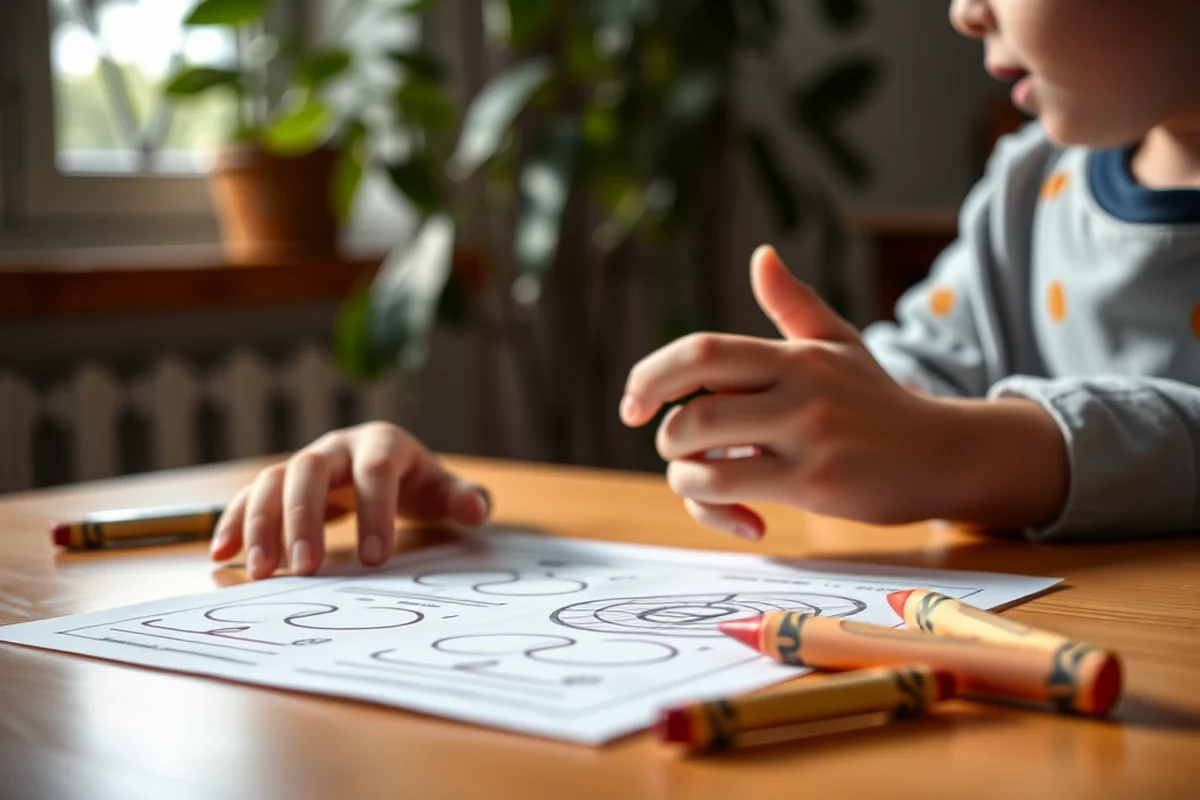
Play is the most natural way for children to learn. When kids are playing, they're not just having fun — they're developing essential motor skills, problem-solving abilities, and social skills. I've seen my son learn how to throw a ball properly during a game of catch, and how to run faster when he's chasing his sister.
I've also noticed that when kids are playing, they're more likely to take risks and try new things. For example, when we played a game of 'Red Light, Green Light,' my daughter was willing to move forward even when she was unsure. This kind of confidence-building is invaluable and something that can't be taught in a classroom setting.
Play also helps build a love for physical activity that can carry over into adulthood. When kids see physical education as a fun and engaging part of life, they're more likely to stay active as they grow older.
Play is the key to unlocking a child's potential in physical education.
Related: Affordable teaching in physical education
Simple Ways to Incorporate Physical Education Into Daily Life
Incorporating physical education into daily life doesn't have to be complicated. I've found that even small changes, like taking the stairs instead of the elevator or walking to the store instead of driving, can help kids become more active. These little choices add up over time and make a big difference.
Another way to integrate physical education into daily life is to use household chores as opportunities for movement. For example, I've had my kids help me clean the house by sweeping or carrying laundry, which helps build strength and coordination. I've noticed that my kids are more eager to help out now that they see it as a fun activity.
I've also used mealtime as a chance to get active. We play a game of 'Guess the Vegetable' while we're cooking, which gets the kids moving and learning at the same time. It's a fun way to make exercise a part of everyday life.
Make physical activity a part of your daily routine by using household chores, mealtime, and even shopping as opportunities for movement and learning.
“I remember the first time I watched my son bounce around the living room, pretending he was a superhero in training.”— Teaching Physical Education at Home editors
Related: Affordable teaching physical education
The Benefits of Consistent Physical Education at Home

Consistency is key with teaching physical education at home. I've found that when we make physical activity a regular part of our routine, the kids are more likely to stay active and engaged. For example, we've started a daily 15-minute exercise session, and it's become a cherished part of our day.[1]
This consistency has led to noticeable improvements in my kids' motor skills and coordination. They're more confident in their movements and have a better understanding of their own bodies. I've also noticed that they're more focused and energized when they're active.
Consistency also helps build a habit of lifelong physical activity. When kids see physical education as a normal and enjoyable part of life, they're more likely to stay active as they grow older. This kind of habit-building is one of the most valuable lessons we can teach them.
Related: Affordable what is teaching physical education
How to Make Physical Education Fun for Kids
When I first started teaching physical education at home, I quickly learned that fun is the key to keeping kids interested. I've found that when they're having fun, they're more willing to try new things and stay active. One of my favorite ways to make physical education fun is to use games and challenges that they enjoy.
I've used a variety of games, from tag and hide and seek to obstacle courses and dance parties, to keep my kids engaged. These activities are not only fun but also help them develop important skills like coordination, balance, and teamwork. I've noticed that the kids are more willing to participate when they're having fun.
I've also found that involving the whole family in physical education activities makes them even more fun. When we all participate, it creates a sense of unity and makes the activities more enjoyable for everyone. It's amazing how much learning can happen when everyone is having fun together.
Related: How to physical education health
The Importance of Parental Involvement in Physical Education
As a parent, I've learned that my involvement in physical education has made a big difference in how my kids engage with the activities. When I participate in the games and exercises, it shows them that physical education is something we all enjoy and value. It also helps build a stronger bond between us.
I've noticed that my kids are more motivated to participate when I'm there to encourage and support them. For example, when we play a game of 'Freeze Dance,' they're more excited to move and dance when they see that I'm having fun too. This kind of involvement helps them feel more confident and supported.
Parental involvement also helps reinforce the importance of physical education in everyday life. When kids see their parents participating in physical activities, they're more likely to see it as something that's important and enjoyable. This kind of modeling is one of the most powerful ways to teach them about the value of movement and health.
When parents are involved, kids are more motivated and engaged in physical education.
Related: How to teaching physical education for learning
How to Measure Progress in Physical Education at Home
Measuring progress in physical education doesn't have to be complicated. I've found that simple observations and tracking can help me see how my kids are improving. For example, I've noticed that my daughter has improved her balance over time, and I've been able to track her progress by observing how she stands on one foot.
I've also used a few simple tools to measure progress, like a timer to track how long my kids can hold a plank or how far they can jump. These small measurements help me see how much they're improving and where they might need more practice.
Another way to measure progress is to observe how they're interacting with others during physical activities. I've noticed that my kids are more confident and coordinated now, and they're better at working together during games. This kind of progress is just as important as the physical improvements they're making.
🧱 Active Games for Young Kids
Simple, high-energy games like 'Red Light, Green Light' and 'Simon Says' are great for younger children to develop motor skills and coordination.
🥅 Team Sports for Older Kids
Team sports like soccer, basketball, and flag football can teach older kids about teamwork, strategy, and physical fitness.
🏃 No-Prep Physical Education
Activities like dance parties, jump rope challenges, or free-play in the backyard can be done with no preparation and are great for busy days.
👨👦 Group Physical Education Activities
Group activities like family yoga, obstacle courses, or group games can be fun and engaging for multiple children at once.
🧘 Extension Activities for Older Kids
Activities like yoga, martial arts, or strength training can be great for older kids to develop discipline and advanced motor skills.
| The mistake | Why it happens | The fix |
|---|---|---|
| Forcing physical activity on kids without making it fun. | Forcing physical activity can lead to resistance and a negative association with movement and play. | Make physical education fun by using games, challenges, and activities that kids enjoy. |
| Not being consistent with physical education at home. | Inconsistency can lead to a lack of progress and make it harder for kids to develop physical skills and habits. | Make physical education a regular part of your routine by setting aside time for it each day. |
| Not involving the whole family in physical education activities. | Not involving the whole family can make physical education feel like a chore rather than a fun activity. | Involve the whole family in physical education activities to create a sense of unity and make it more enjoyable for everyone. |
| Using too many complicated rules or equipment for physical education. | Complicated rules or equipment can be overwhelming for kids and discourage them from participating. | Use simple, easy-to-understand rules and equipment that are accessible and fun for kids. |
Top Physical Education And Teaching
Common Questions
How can I keep my kids interested in physical education at home?
What are some simple activities I can do at home to teach physical education?
How can I track my child's progress in physical education at home?
What are the best times of day to teach physical education at home?
References
- Career Information | Minnesota State University, Mankato (ahn.mnsu.edu)
- Concentration K-12 Physical Education Teaching (apsu.edu)
- Physical Education - Arizona Department of Education (azed.gov)
- Bachelor's Degree in Kinesiology - Physical Education Teacher ... (academics.uky.edu)
Cite this guide
Teaching Physical Education at Home (2026). Top Physical Education And Teaching. https://growfromplay.com/top-physical-education-and-teaching/
Feel free to cite or share this guide.
Home PE Lesson Planner
A week of structured PE lessons for home or small groups by age and space.
Open it free →