
Teaching Elementary Physical Education Alternatives: Play and Movement

📖 Table of Contents
- The Power of Play-Based Learning in Physical Education
- How to Create an At-Home PE Program That Works
- Why Outdoor Activities Are a Game-Changer for Kids
- How to Incorporate Music and Movement into Physical Education
- The Role of Technology in Modern Physical Education
- How to Adapt Activities for Different Ages and Abilities
- Why Consistency and Routine Are Essential in Physical Education
- Make It Your Way
- Frequently Asked Questions
As a former PE teacher turned homeschooling parent, I’ve spent more than 10 years handling the challenges of teaching physical education at home. One of the most difficult parts is finding alternatives to traditional PE classes that still meet state standards and keep kids moving. I remember one afternoon, my then-7-year-old son was bouncing off the walls after a day of screen time. I realized we needed a more structured way to channel his energy — and that’s when I started exploring alternatives to traditional PE.[1]
I’ve tried everything from yoga to obstacle courses. I’ve learned that the best alternatives are those that combine fun with fitness, encourage social interaction, and can be adapted for different ages and abilities. These alternatives not only help kids meet their daily physical activity goals, but they also teach them valuable life skills like teamwork, perseverance, and self-discipline. What I love most is that these activities can be done in a small space, with minimal equipment, and in a way that feels like play, not work.[3]
Teaching elementary physical education alternatives is not just about keeping kids active — it’s about creating a foundation for lifelong health and learning. Whether you're a homeschooling parent or a teacher looking for a new approach, there are countless ways to make physical education engaging, inclusive, and effective. The key is to be creative, flexible, and ready to roll up your sleeves and get moving with your kids.[4]
Why You'll Love This Approach to Physical Education
- It's adaptable for kids of all ages and abilities.
- It fosters creativity and teamwork without the need for expensive equipment.
- It can be done in any space — even a small apartment or backyard.
- It helps kids meet physical activity goals while having fun.
The Power of Play-Based Learning in Physical Education
As of November 2026, when I first started looking for alternatives to traditional PE, I turned to play-based learning. This approach uses games and activities that naturally integrate physical movement, social interaction, and cognitive development. For example, playing a game of freeze dance or a modified version of tag not only gets kids moving, but it also helps them learn about rules, strategy, and cooperation.
I’ve seen how play-based learning can transform even the most reluctant child into an active participant. One of my students, who was initially hesitant to join in, became a leader during a game of sack races after just a few sessions. The best part is that these activities are easy to modify for different ages and abilities, making them accessible to all children.
The key to success with play-based learning is to keep the activities fun and engaging. That means using a variety of games, changing up the rules, and allowing kids to have a say in what they want to do. This not only keeps them motivated but also helps them take ownership of their learning.
Start with basic games that require minimal setup and no equipment, like red light green light or Simon says. These are perfect for younger kids and can be done anywhere.
Part of our How to teaching physical education in secondary schools guide.
How to Create an At-Home PE Program That Works
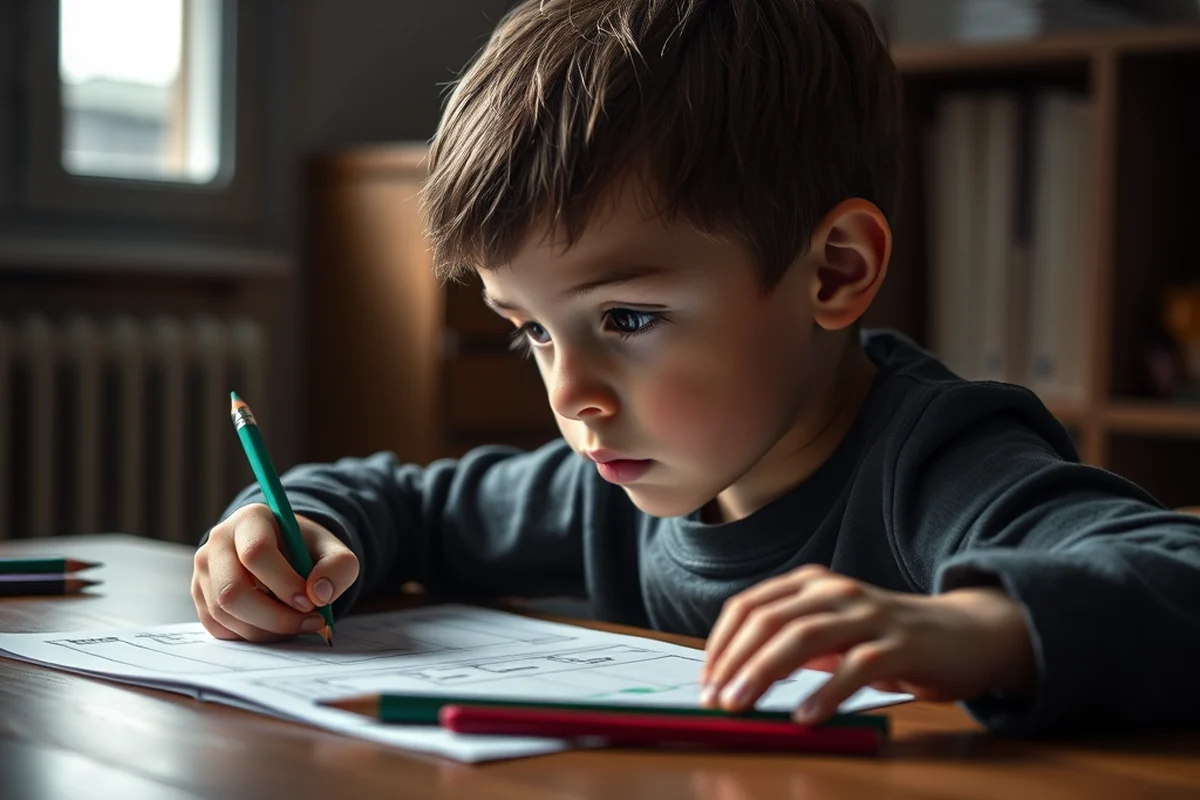
When I first tried to set up an at-home PE program, I struggled with finding the right balance between structure and flexibility. I discovered that the key is to have a weekly plan that includes a mix of structured activities and free play. This helps kids develop a routine while still allowing them to explore their interests and move in their own way.
One of the most important things I learned is that consistency is key. Even 15 minutes of daily physical activity can make a big difference in a child's development. I started with a simple routine that included 10 minutes of warm-up, 5 minutes of game-based activity, and 5 minutes of cool-down. This helped my kids stay engaged without feeling overwhelmed.[2]
Another important factor is to involve the whole family. When parents and siblings join in the activities, it not only makes the experience more fun, but it also helps model healthy habits. I’ve found that the more the family participates, the more likely kids are to stay active throughout the day.
Consistency and family involvement can transform an at-home PE program into a lifelong habit.
Related: Best physical education and teaching
Why Outdoor Activities Are a Game-Changer for Kids
There’s something about being outside that just makes movement feel more natural and enjoyable. When I started incorporating more outdoor activities into our PE program, I noticed a huge difference in my kids’ engagement and energy levels. Whether it was playing catch in the backyard, climbing on a jungle gym, or doing a scavenger hunt, the kids were more excited and participated more enthusiastically.
One of the biggest advantages of outdoor activities is that they expose kids to a wide range of sensory experiences. Feeling the grass under their feet, hearing birds chirp, and breathing fresh air all contribute to a more immersive and stimulating environment. This helps kids develop a stronger connection with nature and their own bodies.
Outdoor activities also allow for more freedom of movement, which is essential for developing motor skills. Kids can run, jump, climb, and explore in ways that are often limited indoors. I’ve found that combining outdoor play with short, structured activities helps kids stay focused and motivated throughout the day.
Even on a slightly overcast day, being outside can provide a change of scenery and fresh air that keeps kids energized. Consider setting up a small outdoor space with cones, ropes, or other safe items to encourage movement.
“As a former PE teacher turned homeschooling parent, I’ve spent more than 10 years navigating the challenges of teaching physical education at home.”— Teaching Physical Education at Home editors
Related: Best teaching physical education online
How to Incorporate Music and Movement into Physical Education

I've always believed that music can be a game-changer with physical education. When I started using music in our PE sessions, I noticed that the kids were more engaged and had more fun. Whether it was dancing to a song, following along with a movement video, or using rhythm to guide their movements, music helped keep the activities lively and interactive.
One of my favorite activities is using music to teach basic dance moves or physical patterns. For example, we use a song with a strong beat to practice jumping jacks or other exercises. This not only helps kids develop rhythm and coordination but also makes the activity more enjoyable and memorable.
Incorporating music into physical education also helps kids develop a sense of timing and spatial awareness. I’ve found that when music is used strategically, it can transform even the most basic movement activity into a fun and engaging experience. The key is to choose music that is appropriate for the age group and to allow kids to express themselves creatively.
Related: Best teaching elementary physical education
The Role of Technology in Modern Physical Education
I’ve been surprised at how much technology can enhance physical education when used in the right way. One of the first tools I tried was a simple movement app that had videos of basic exercises and games. These videos were short and engaging, and they helped my kids understand the movements in a way that was easy to follow.
Another great tool is using a smart watch or fitness tracker to monitor activity levels. I’ve found that having a visual representation of how many steps they’ve taken or how long they’ve been active helps kids stay motivated. It also gives them a sense of accomplishment when they reach their goals.
I’ve also used technology to create interactive challenges and competitions that keep kids engaged. For example, we set up a simple obstacle course and used a timer to track how long it took to complete the course. This helped kids develop a sense of competition and teamwork while still staying active.
Related: Affordable teaching in physical education
How to Adapt Activities for Different Ages and Abilities
One of the biggest challenges I’ve faced is adapting activities to meet the needs of different ages and abilities. I’ve learned that the key is to be flexible and creative. For younger kids, I often simplify the rules and use props like cones or balloons to make the activities more engaging. For older kids, I like to introduce more complex games that require strategy and teamwork.
Inclusive physical education also means making sure that all kids can participate regardless of their physical abilities. I’ve found that using a variety of activities and allowing kids to choose what they want to do helps create a more inclusive environment. This not only keeps everyone engaged but also helps kids develop a sense of confidence and self-esteem.
Another important factor is to use visual aids and clear instructions. I’ve found that using diagrams or simple step-by-step guides helps kids understand the activities better. This is especially helpful for younger kids or those who may have difficulty following verbal instructions.
Inclusion and adaptability are the cornerstones of a successful physical education program.
Related: Affordable teaching physical education
Why Consistency and Routine Are Essential in Physical Education
When I first started teaching physical education at home, I realized that consistency and routine were essential for helping kids develop a lifelong habit of physical activity. I’ve found that having a set schedule and sticking to it helps kids stay motivated and engaged. Even a short daily session can make a big difference in their development and overall well-being.
One of the biggest benefits of consistency is that it helps kids build a sense of structure and predictability. When they know what to expect each day, they’re more likely to participate and stay focused. I’ve also noticed that consistency helps reinforce the skills they’re learning, making them more likely to retain and apply them in the future.
Creating a routine also helps parents and caregivers stay on track. When there’s a clear schedule, it’s easier to make time for physical education and ensure that it becomes a regular part of the day. I’ve found that the more consistent we are, the more likely kids are to carry these healthy habits into adulthood.
👶 Younger Kids
Simplified versions of games that focus on basic motor skills, like crawling, jumping, and balancing, are perfect for younger children.
👦 Older Kids
Incorporate more complex activities like relay races, team sports, or dance routines to challenge older children and keep them engaged.
🧺 No-Prep
Use household items like pillows, blankets, or even water bottles to create a fun and active environment without any preparation.
👥 Group Version
Organize group activities that encourage teamwork and social interaction, such as cooperative games or obstacle courses.
🚀 Extension
Add a twist to traditional activities by incorporating challenges, such as timing elements or skill-based tasks, to keep kids motivated.
| The mistake | Why it happens | The fix |
|---|---|---|
| Ignoring the child’s interests and preferences. | If a child doesn’t enjoy the activities, they’re less likely to stay engaged and participate regularly. | Involve your child in choosing activities and tailor them to their interests to keep them motivated. |
| Making activities too complicated or competitive. | Overly complex or competitive activities can overwhelm younger children and discourage participation. | Simplify the rules, focus on fun and inclusion, and emphasize teamwork over competition. |
| Not providing enough variety in activities. | A lack of variety can lead to boredom and disengagement, especially if the same activities are repeated day after day. | Rotate through different types of activities, such as games, dances, and outdoor play, to keep things fresh and exciting. |
| Forcing physical activity without allowing for movement breaks. | Forcing too much activity at once can lead to fatigue and resistance, especially in younger children. | Allow for regular movement breaks throughout the day and balance structured activity with free play. |
Teaching Elementary Physical Education Alternatives
Common Questions
How can I make physical education fun for my child?
What if my child is hesitant to participate in physical activities?
How long should a physical education session be for young children?
Are there any activities that can be done indoors without equipment?
References
Cite this guide
Teaching Physical Education at Home (2026). Teaching Elementary Physical Education Alternatives: Play and Movement. https://growfromplay.com/teaching-elementary-physical-education-alternatives/
Feel free to cite or share this guide.
Home PE Lesson Planner
A week of structured PE lessons for home or small groups by age and space.
Open it free →