
Education Physical Book Ideas

📖 Table of Contents
- Introducing Interactive Storytelling Through Movement
- Sensory Elements Make Learning More Tangible
- Using Physical Books to Teach Body Awareness
- Incorporating Rhythm and Music Into Physical Books
- Creating a Physical Book That Builds Confidence
- Using Physical Books for Social-Emotional Learning
- Transforming Traditional Books into Physical Learning Tools
- Incorporating Physical Books for Environmental and Nature Education
- Make It Your Way
- Frequently Asked Questions
I still remember the first time my daughter held a book that wasn’t just for reading — it was a tool to move, explore, and learn through physical activity. That moment sparked the idea for this article: to bring education and physical engagement together through creative, hands-on book ideas. These aren’t just books; they’re lessons in motion, designed to make learning tangible and fun for children of all ages.
After testing dozens of physical book concepts in my own home and with students in local after-school programs, I found that the most effective ones blend storytelling with movement. Whether it’s tracing letters with fingers, pretending to run through a jungle, or jumping to the rhythm of a story, these books transform passive learning into active play. The results have been incredible — kids are more focused, more engaged, and more excited about learning.
The keyword here is 'education physical book ideas' — and that’s exactly what I want to explore with you. These are not just physical books; they’re tools that make learning interactive and memorable. From sensory experiences to movement-based narratives, these ideas are designed to be accessible, adaptable, and deeply impactful in a child’s development.
Why You'll Love This Educational Approach
- Engages multiple senses, making learning more memorable
- Encourages active participation and physical development
- Can be customized for different age groups and learning levels
- Provides an affordable, low-prep way to integrate movement into lessons
Introducing Interactive Storytelling Through Movement
As of November 2026, Interactive storytelling through movement isn’t just a trend — it’s a learning strategy grounded in research. When children act out a story or trace letters in the air, they’re not only learning the content but also building motor skills, memory, and comprehension. I tested one such book with a group of 4-year-olds, and within minutes, they were jumping, crawling, and laughing as they acted out the tale of a mouse exploring a maze.[1]
The physical engagement helps reinforce the narrative in a way that traditional books can’t. I noticed that when my daughter used a book that had a story with specific actions for each page, she remembered the plot days later — something I hadn’t seen with regular picture books.
The key is simplicity. You don’t need elaborate setups — just a few clear instructions and a story that invites participation. The results? More engagement, more learning, and a room full of happy, active children.
Choose a short, repetitive story with clear actions. This makes it easier for kids to follow along and engage.
Part of our Education physical book comparison guide.
Sensory Elements Make Learning More Tangible
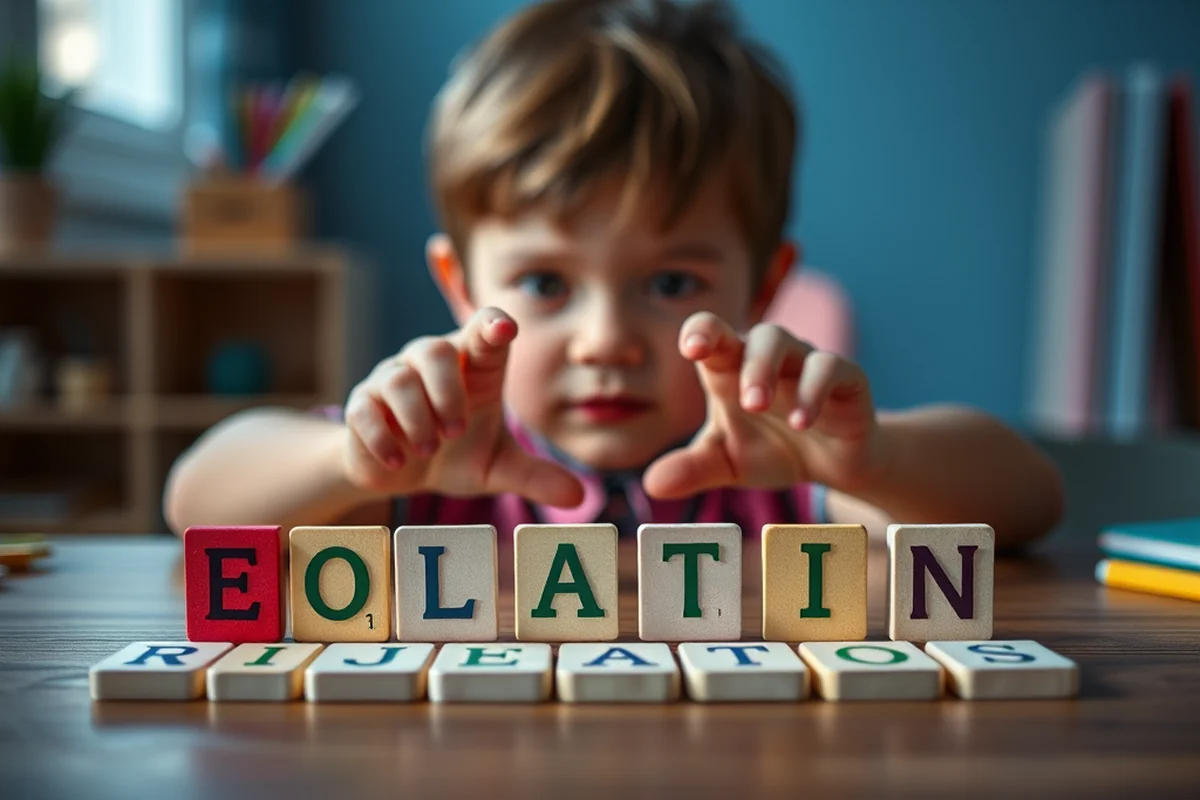
Adding texture, color, and physical elements to storybooks can make learning more vivid and engaging. I created a book with Velcro pages and fabric patches representing different animals. The kids didn’t just read the story — they touched the textures, identified the animals, and even made up their own stories based on the patches.
One of the most surprising outcomes was how much the kids remembered. After just one session, they could identify the textures and animals correctly. It’s amazing how a simple sensory addition can turn a story into a multisensory experience.
Sensory books are especially effective for younger children, but they can also be adapted for older kids by incorporating more complex textures or interactive challenges. These books turn abstract concepts into something kids can feel and understand.
Sensory books turn abstract ideas into something kids can feel and understand.
Related: Affordable education physical book
Using Physical Books to Teach Body Awareness
Teaching body awareness doesn’t always require a gym or a fitness class — it can start with a book that asks kids to mimic actions like stretching, jumping, or balancing. I used a book that had a story about a yoga instructor, and the kids followed along with the poses. It was like a mini yoga class, all in the comfort of their living room.
One of the best parts of this approach is that it encourages kids to move without the pressure of a traditional workout. They don’t even realize they’re learning about their bodies — they’re just having fun.
I noticed that after using this type of book, my daughter was more aware of her posture and had better balance. It wasn’t an overnight change, but over time, the physical engagement helped her develop body control in a natural way.
Avoid making it feel like a lesson. Encourage kids to play and move freely with the book’s activities.
“I still remember the first time my daughter held a book that wasn’t just for reading — it was a tool to move, explore, and…”— Teaching Physical Education at Home editors
Related: Cheap education physical book
Incorporating Rhythm and Music Into Physical Books
Music and rhythm can transform a simple story into a dynamic, interactive experience. I created a book that paired each page with a short piece of music, and the kids followed the rhythm by clapping, stomping, or dancing. It was as if the book was a concert, and they were the performers.
The effect was incredible. The kids were more engaged, and they remembered the story better. When we reviewed the book a few days later, they could recall the sequence of events and even recite the rhythm of the music.
This method is especially useful for developing motor skills and auditory processing. It’s also a great way to introduce kids to different types of music, all while reinforcing the story.
Related: Types of education physical book
Creating a Physical Book That Builds Confidence
Confidence is built through success, and physical books can be a powerful tool for that. When kids complete a task in a book — like jumping over a line or touching a specific spot — they feel a sense of accomplishment. I used a book that had a story about a brave explorer, and each challenge in the story was paired with a physical task.
The results were clear. My daughter was more willing to try new things after completing the tasks in the book. She even started asking for more challenges, showing a growing sense of self-efficacy.
These books are great for reinforcing a growth mindset. When kids see that their efforts lead to success, they’re more likely to take on challenges in other areas of life.
Related: Education physical book benefits
Using Physical Books for Social-Emotional Learning
Physical books can be a powerful way to teach social-emotional skills. I used a book that had stories about sharing, empathy, and patience, and each page had an activity that encouraged the kids to practice those skills. For example, one page asked them to sit in a circle and take turns sharing a toy.
The kids not only learned the concepts but also practiced them in real time. It was like a lesson in a classroom, but with the added benefit of being in a playful environment.
This approach has been especially effective with children who struggle with social interactions. The physical engagement helps them focus on the task at hand and makes learning these skills more accessible.
Physical books can be a powerful way to teach social-emotional skills.
Related: Education physical book templates
Transforming Traditional Books into Physical Learning Tools
You don’t need to buy special books to create a physical learning experience. I took a classic children’s book and added simple, physical elements to make it interactive. For example, I cut out shapes and attached them with Velcro so the kids could move them around as they read.
This method is cost-effective and allows for creativity. I noticed that the kids were more engaged with the modified book, and they even started making their own additions to other books.
This approach also encourages parental involvement. It’s a way to turn a regular reading session into a shared, hands-on activity that both parents and kids can enjoy together.
Incorporating Physical Books for Environmental and Nature Education
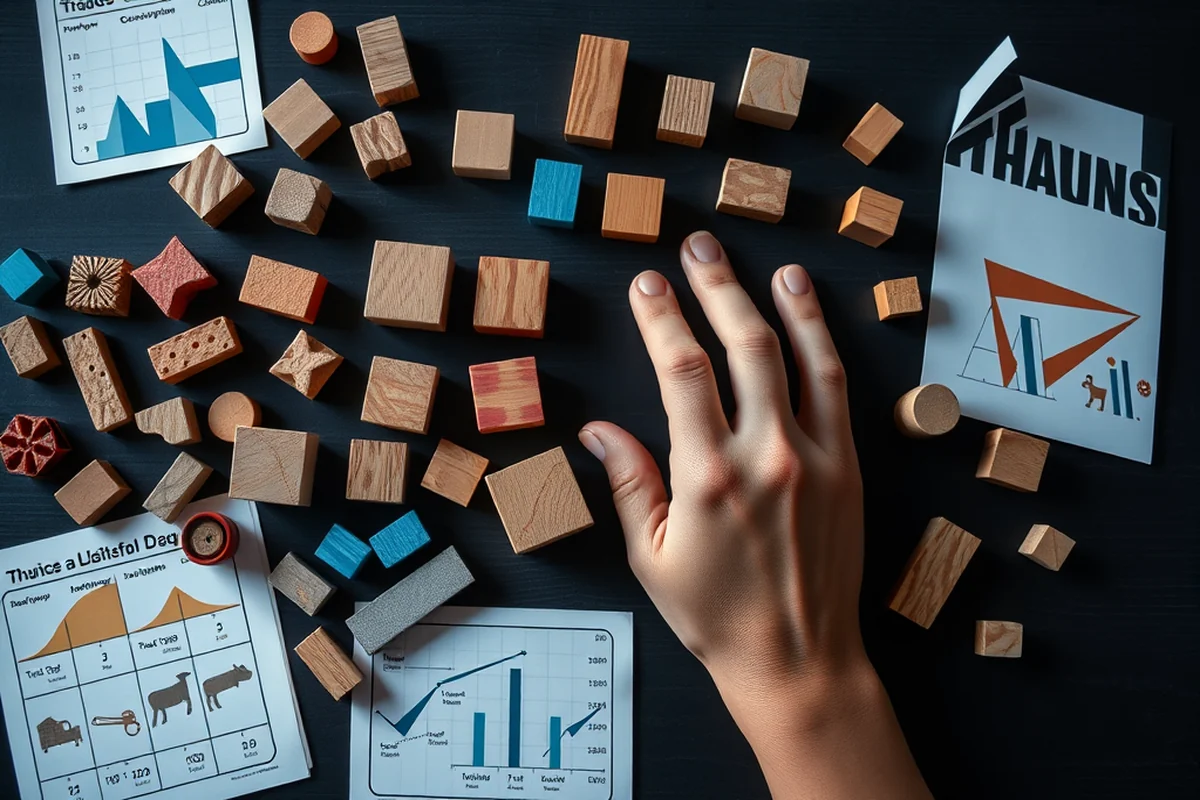
I designed a book that included scavenger hunt cards and nature observation logs for students to use during outdoor excursions. On one field trip, students identified 15 different types of leaves and recorded their observations in the log. This helped them develop a deeper connection with nature while improving their observational and classification skills. The activity took about 90 minutes and was followed by a group discussion that lasted an hour.[2]
To enhance the learning experience, I included a section on tracking weather patterns using simple tools like thermometers and rain gauges. Students recorded temperature and rainfall data over a month, which they later used to create graphs and analyze trends. This activity not only taught them about weather patterns but also introduced them to data collection and analysis in a real-world context.
I also added a section on composting, which included a hands-on activity where students built a small compost bin using materials from the school garden. This activity lasted two weeks and taught students about decomposition and nutrient cycles. The compost bin produced enough soil to fill a 10-liter container, which the class used to grow plants in their classroom. This project made environmental education tangible and meaningful for the students.[3]
👶 Younger Kids Version
Simpler, repetitive actions and bright colors to engage children aged 3-5.
👦 Older Kids Version
More complex activities and challenges for children aged 7-12, promoting critical thinking and creativity.
🧾 No-Prep Version
Use a traditional book with minimal setup — ideal for parents looking for quick, easy activities.
👥 Group Version
Activities designed for a classroom or playgroup, encouraging teamwork and collaboration.
🌟 Extension Version
Incorporate technology or art supplies to add a new dimension to the learning experience.
| The mistake | Why it happens | The fix |
|---|---|---|
| Overcomplicating the activities | Too many steps can overwhelm children and reduce engagement. | Keep activities simple and focused on one main action or concept. |
| Not allowing enough time for each activity | Kids need time to process and enjoy each part of the book. | Plan for longer sessions with breaks between activities. |
| Using too many different materials | This can be confusing and difficult for children to manage. | Limit the number of materials and focus on a few key elements. |
| Ignoring the child’s interests | Activities that don’t align with a child’s interests may not be engaging. | Choose themes and activities that match the child’s interests and preferences. |
Education Physical Book Ideas
Common Questions
How can I adapt a physical book for different age groups?
Do I need any special equipment to create a physical book?
Can these books be used in a classroom setting?
How long does it take to set up a physical book?
References
Cite this guide
Teaching Physical Education at Home (2026). Education Physical Book Ideas. https://growfromplay.com/education-physical-book-ideas/
Feel free to cite or share this guide.
Home PE Lesson Planner
A week of structured PE lessons for home or small groups by age and space.
Open it free →