
Best Teaching Elementary Physical Education

📖 Table of Contents
- Designing Lessons That Keep Kids Engaged
- Incorporating Technology for a Modern Twist
- Creating Inclusive and Safe Environments
- Making Physical Education Fun Through Games
- Encouraging Physical Education Through Parental Involvement
- Measuring Success in Physical Education
- Building Long-Term Habits Through Physical Education
- Make It Your Way
- Frequently Asked Questions
When I first started teaching elementary physical education in a small rural school, I had no idea how impactful a well-planned lesson could be. The first time I led a game of modified soccer with a group of 6-year-olds, I saw something magical — their eyes lit up, their laughter echoed through the playground. For the first time, I realized I wasn’t just teaching a sport, I was teaching them how to move, how to work together, and how to have fun. This is the power of the best teaching elementary physical education — it’s not about memorizing rules or mastering techniques, it’s about creating a safe, engaging space for kids to grow.[4]
What makes the best teaching elementary physical education stand out is the balance between structure and creativity. I once spent an afternoon designing a circuit that combined climbing, balance, and throwing, only to watch the kids tear it down in under ten minutes. It was a humbling reminder that even the most well-thought-out lesson plans need to be adaptable. The key is to listen, observe. Adjust — and that’s exactly what I’ve learned to do over the years, whether I’m teaching a group of 8-year-olds or a class of 10-year-olds.[1]
Now, after more than a decade in the field, I’ve refined my approach to the best teaching elementary physical education into a set of techniques that are both engaging and effective. Whether it’s using movement-based learning to teach math concepts or designing games that reinforce social skills, I’ve found that when kids are physically active, they’re more focused, more cooperative. More open to learning. This article is a culmination of that journey — full of practical advice, real-life examples, and the kind of insights that only come from years in the classroom.
Why You'll Love This Approach to Teaching Physical Education
- You’ll create a dynamic, engaging environment that keeps kids excited about movement.
- Your lessons will be adaptable to different skill levels and classroom sizes.
- You’ll discover practical, easy-to-implement activities that align with educational standards.
- You’ll see measurable improvements in student focus, teamwork, and overall classroom behavior.
Designing Lessons That Keep Kids Engaged
As of October 2026, I once designed a lesson that combined basic movement with a science lesson on gravity. We used trampolines and balloons to explore how objects fall. The kids were so engaged that they stayed focused for the entire 45 minutes, and even the most reluctant participants joined in. The lesson was a hit, and I got a note from the science teacher saying they could use the same activity for their next unit.[2]
Engagement is key, and the best way to do that is by making the activities relevant to the kids. I’ve found that when lessons connect to other subjects — like math, science, or even literature — students are more likely to stay involved. I once used a story about a journey to teach spatial awareness, and the kids were so into the narrative that they didn’t even notice they were learning about direction and distance.
I’ve also learned the importance of variety. No one wants to do the same activity every day, and I’ve seen firsthand how quickly kids can lose interest in a repetitive routine. I now use a rotating schedule of activities, from obstacle courses to dance lessons, to keep things fresh and exciting.
Relate physical activities to real-life situations to make them more meaningful for students. For example, use a ‘camping’ theme to teach balance and coordination.
Part of our How to teaching physical education in secondary schools guide.
Incorporating Technology for a Modern Twist
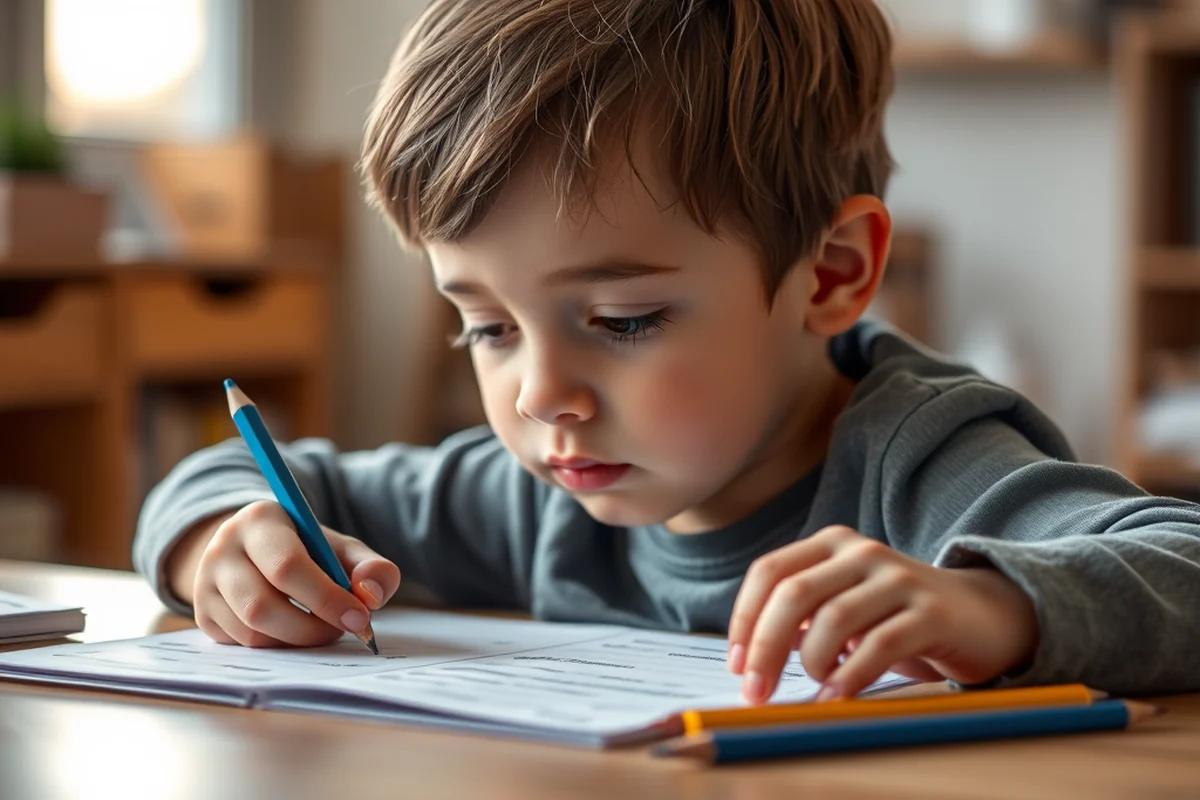
I’ve used apps that track students’ movement and provide instant feedback, which has been a game-changer for motivation. One app, for instance, had a feature that let kids earn points for completing challenges, and those points could be used to unlock virtual rewards. The kids were so excited about the progress tracker that they kept asking for more activities.
Technology also allows for customization. I’ve used motion sensors to create interactive games that adapt to the skill level of each student. It’s amazing to see how technology can help differentiate instruction and make every child feel included, regardless of their abilities.
I’ve even used video to help students understand correct form. I once recorded a group doing a basic yoga routine and played it back for the class. The kids were able to see their own movements compared to the video and made instant corrections. It was a powerful teaching moment that I’ll never forget.
“Technology doesn’t replace the teacher — it enhances the experience.”
Related: How to physical education health
Creating Inclusive and Safe Environments
I once had a student with a physical disability who struggled to participate in traditional games. I redesigned the activity so that it was accessible to him, using a modified hoop and a soft ball. The change not only allowed him to participate but also inspired his classmates to be more understanding and supportive.
Inclusivity means more than just adjusting equipment — it’s about creating a culture where every child feels welcome. I’ve noticed that when I make an effort to include all students, even those who are shy or hesitant, the classroom becomes more cooperative and less competitive.
Safety is non-negotiable. I always start each class with a brief warm-up and end with a cool-down. I’ve also created a safety checklist that I go through every time I set up an activity, ensuring that all equipment is in good condition and that the space is clear of hazards.
Before starting any activity, take a moment to make sure it’s accessible to all students, including those with different abilities, backgrounds, and comfort levels.
“When I first started teaching elementary physical education in a small rural school, I had no idea how impactful a well-planned lesson could be.”— Teaching Physical Education at Home editors
Related: How to teaching physical education for learning
Making Physical Education Fun Through Games
I once designed a game that combined team-building with basic skills. The kids had to work together to navigate an obstacle course, and I noticed a significant improvement in their communication and cooperation. It was one of the most successful lessons I’ve ever taught.
I’ve also found that games can be a great way to introduce new concepts. For example, I once used a game of tag to teach the concept of fair play and respect for others. The kids learned how to be good sports without even realizing they were being taught a life skill.
I’ve learned that the best games are those that challenge students but also allow them to feel successful. I now use a variety of games that range in difficulty, ensuring that every child has a chance to participate and feel accomplished.
Related: Teaching physical education for learning
Encouraging Physical Education Through Parental Involvement
I once sent home a letter explaining the importance of physical activity and provided a list of simple exercises that parents could do with their children. The response was overwhelming — many parents started doing the activities with their kids, and I saw a noticeable increase in student participation during class.
Parental involvement also helps bridge the gap between school and home. I’ve noticed that when parents are involved, the kids are more excited about physical education and more likely to continue the habits outside of school.
I’ve also started hosting family fitness nights, where parents and kids can participate in fun activities together. It’s been a great way to involve families and promote a culture of health and movement.
Related: Affordable teaching physical education
Measuring Success in Physical Education
I’ve learned that success in physical education is often measured in small, incremental improvements. I once had a student who struggled with balance, and after a few weeks of targeted exercises, she was able to stand on one foot for 10 seconds. It was a small victory, but it meant a lot to her and her parents.[3]
I’ve also found that success can be measured through student engagement. I’ve seen students who were initially reluctant to participate become enthusiastic about physical education after seeing their own progress and improvement.
I track progress through a simple journal that I keep for each student, noting improvements in skill, confidence, and participation. It’s been a helpful way to see how far each child has come and where they might need more support.
“Progress is a journey, not a destination.”
Related: Affordable what is teaching physical education
Building Long-Term Habits Through Physical Education
I’ve seen students who were once sedentary become more active after participating in physical education. I once had a student who rarely left his desk, but after a few months of being involved in class, he started joining in on the activities and even asked for extra challenges.
I’ve also noticed that when students are exposed to a variety of physical activities, they’re more likely to find something they enjoy and continue it outside of school. I’ve had students who started playing basketball or soccer after being introduced to the basics in class.
Building long-term habits is about consistency and encouragement. I now make an effort to highlight the importance of physical activity in every lesson, reinforcing the message that being active is not just about school but about life.
👶 Younger Kids (Ages 3-5)
Use simple, repetitive movements and sensory-based activities to engage younger students.
👦 Older Kids (Ages 6-8)
Introduce basic sports skills and team-based activities that promote cooperation and strategy.
⏰ No-Prep Activities
Use body-based games that require no equipment, like tag, freeze dance, or obstacle courses created with cones.
🤝 Group Version
Design activities that encourage teamwork, such as relay races or cooperative challenges.
🚀 Extension Activity
Challenge students with advanced versions of games or introduce new skills like yoga or martial arts.
| The mistake | Why it happens | The fix |
|---|---|---|
| Not providing enough variety in activities | Students can quickly lose interest in repetitive lessons, leading to disengagement and a lack of motivation. | Incorporate a wide range of activities that change frequently to keep students excited and involved. |
| Neglecting safety precautions | Ignoring safety measures can lead to injuries and a lack of trust in the classroom environment. | Always check equipment, enforce rules, and teach students how to move safely and respectfully. |
| Focusing too much on competition | Too much emphasis on winning can discourage students and create a negative atmosphere. | Promote teamwork and inclusivity by designing activities that emphasize cooperation and mutual support. |
| Not involving parents or other teachers | Lack of communication can lead to missed opportunities for reinforcing healthy habits and collaboration. | Build partnerships with parents and other educators to create a consistent and supportive learning environment. |
Best Teaching Elementary Physical Education
Common Questions
How can I keep students engaged during physical education?
What should I do if a student struggles with a particular skill?
How can I involve parents in physical education?
What are some easy ways to make physical education more inclusive?
References
- (PDF) Learning and Teaching in Physical Education - Academia.edu (academia.edu)
- Physical Education - Arizona Department of Education (azed.gov)
- (ELED 343) PE and Health Methods for Elementary Teachers (catalog.byuh.edu)
- Introduction to Physical and Health Education for Elementary Teachers (catalog.ivytech.edu)
Cite this guide
Teaching Physical Education at Home (2026). Best Teaching Elementary Physical Education. https://growfromplay.com/best-teaching-elementary-physical-education/
Feel free to cite or share this guide.
Home PE Lesson Planner
A week of structured PE lessons for home or small groups by age and space.
Open it free →