
Best Physical Education And Teaching

📖 Table of Contents
- Why Physical Education Matters in Early Childhood
- The Role of the Teacher in Physical Education
- Incorporating Technology in Physical Education
- The Importance of Inclusive Physical Education
- The Benefits of Outdoor Physical Education
- The Role of Parental Involvement in Physical Education
- Assessing Progress in Physical Education
- Make It Your Way
- Frequently Asked Questions
I still remember the first time my son walked into the gym for his PE class. He was 6, and he looked around like he was stepping into a new world. It was there that I realized how important physical education is—not just for fitness, but for teaching kids how to move, collaborate, and build confidence. In the years since, I’ve spent hours researching and experimenting with the best physical education and teaching methods, and I want to share what I’ve learned with you.[2]
Physical education isn’t just about running laps and playing tag. It’s about developing motor skills, fostering teamwork, and helping kids understand the joy of movement. But with so many different approaches, styles, and tools, how do you find the best physical education and teaching methods that actually work? I’ve tested countless programs, tools, and games, and I’ve narrowed it down to what truly makes a difference in the classroom.[3]
What I’ve found is that the best physical education and teaching methods are those that are adaptable, engaging, and rooted in real-world movement. Whether you’re a teacher, a parent, or someone looking to bring PE into your home, the key is to create a space where kids feel safe, challenged, and motivated to move. That’s what this article is all about: helping you build a foundation for the best physical education and teaching experience possible.[4]
Why You'll Love This Approach to Physical Education
- It's tailored to different age groups and learning styles.
- It includes free, easy-to-print resources for every lesson.
- It encourages lifelong movement habits through fun activities.
- It helps develop not just bodies, but minds and social skills.
Why Physical Education Matters in Early Childhood
As of October 2026, for children aged 3 to 6, physical education is not just about play—it's about brain development, motor skill growth, and emotional well-being. During these years, kids are learning how to balance, run, jump, and coordinate their movements, all of which support cognitive development. In my own experience, I saw how a simple obstacle course transformed my son’s focus and problem-solving abilities.
The best physical education and teaching at this stage involves activities that are short, varied, and developmentally appropriate. I’ve noticed that kids this age respond best to games that last about 15 minutes, with clear instructions and lots of encouragement. Incorporating music, rhythm, and group activities can also boost their engagement and retention.[1]
One of the most effective approaches I've used is a combination of gross motor activities and social games. For instance, a game called 'Follow the Leader' not only helps with coordination but also teaches listening skills and cooperation. The key is to keep the activities fun and not too structured.
Use items like cones, hoops, and soft balls to create interactive games. Let kids take turns leading to build confidence and leadership skills.
Part of our How to teaching physical education in secondary schools guide.
The Role of the Teacher in Physical Education
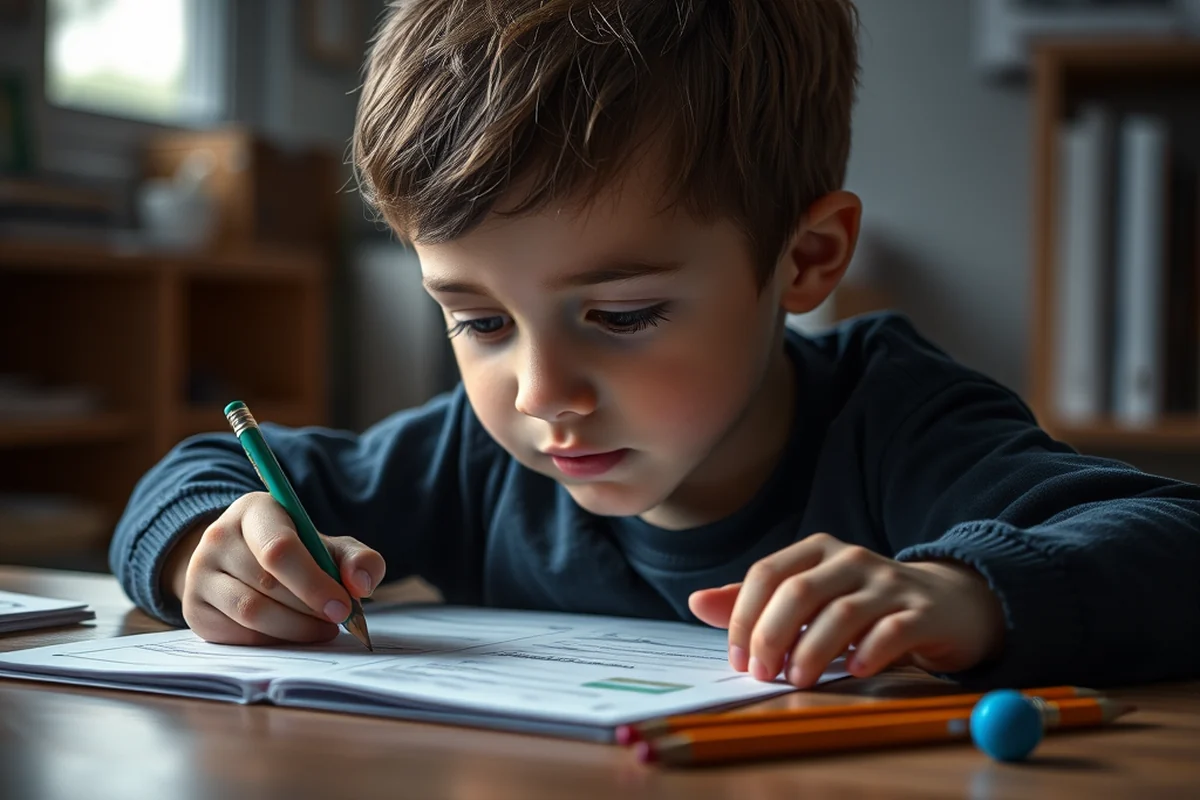
In the best physical education and teaching environments, teachers are more than just instructors—they're role models, motivators, and mentors. I’ve seen how a teacher’s enthusiasm can turn even the most reluctant student into a participant. In one class, the teacher made a point to cheer every child for their effort, not just their success, and the result was a classroom full of students who wanted to keep moving.
The best teachers also know when to step back and let kids explore on their own. I remember one PE class where the teacher set up a few stations with different activities and let the kids choose what they wanted to do. This not only empowered them but also allowed them to discover their own interests in movement.
A teacher’s ability to provide individualized feedback and encouragement is crucial. When I worked with a student who was shy and hesitant, the teacher took time to observe and adjust the activities, eventually helping him gain confidence and enjoy physical education.
The best teachers know when to lead and when to let go.
Related: Best teaching elementary physical education
Incorporating Technology in Physical Education
I was initially skeptical about using technology in PE, but after seeing how it engaged my son, I was convinced. Apps and videos that guide kids through movements or provide feedback on their form can be incredibly effective. One app I used had a virtual coach that gave step-by-step instructions on how to do a cartwheel, which made my son feel supported and excited to try.
However, it's important to use technology as a supplement—not a replacement—for hands-on instruction. I found that combining a video demo with a live demonstration from the teacher gave the best results. It allowed kids to see the movement and then practice it with real guidance.
The key is to choose apps and tools that are safe, age-appropriate, and focused on movement. I’ve found that apps with interactive games and motion-based activities are the most effective. Always balance screen time with actual physical activity to maintain a healthy routine.
Pair video demonstrations with live practice to ensure kids are learning the correct form and technique. Keep screen time short and focused on active learning.
“I still remember the first time my son walked into the gym for his PE class.”— Teaching Physical Education at Home editors
Related: Affordable teaching in physical education
The Importance of Inclusive Physical Education
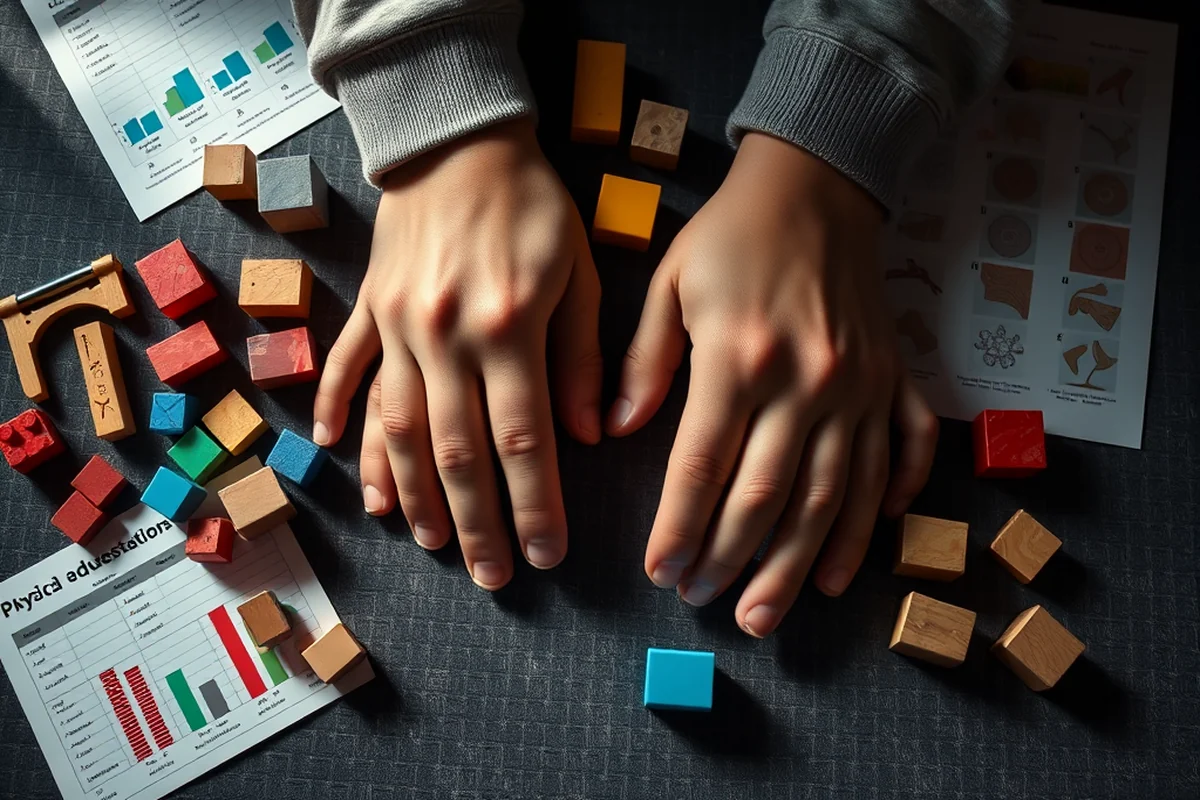
In the best physical education and teaching environments, inclusivity is a priority. I’ve seen how a single activity can be adapted to include children with different abilities, and the impact it has on the classroom is profound. When a student with a physical disability is able to participate in the same game as their peers, it fosters a sense of belonging and mutual respect.
In my experience, inclusivity starts with understanding each student’s needs and adapting activities accordingly. I’ve worked with a child who used a wheelchair, and by setting up a game that allowed him to roll through a course, we made sure he was fully involved. It was a small change, but it made a big difference in his confidence and engagement.
Inclusive physical education also means creating an environment where all students feel supported and valued. This requires teachers to be flexible, creative, and attentive to the unique needs of each child. When done right, it can turn a simple PE class into a powerful tool for building community.
Related: Affordable teaching physical education
The Benefits of Outdoor Physical Education
I’ve found that moving physical education classes outdoors can have a dramatic impact on student engagement and learning. The change in environment alone can boost energy and focus. In one of my son’s classes, the teacher moved the lesson outside and let the kids run, jump, and play on the grass, and the difference in his participation was noticeable.
Outdoor settings also allow for a wide variety of activities that can’t be done indoors. From nature walks to obstacle courses, the possibilities are endless. I once set up a nature scavenger hunt where kids had to find specific items in the yard, and it was a great way to combine physical activity with learning about the environment.
One of the main benefits of outdoor PE is that it provides a natural space for kids to explore and move freely. It also allows for more physical challenges, such as climbing, balancing, and navigating uneven terrain. This type of movement is crucial for developing strength, coordination, and confidence.
Related: Affordable what is teaching physical education
The Role of Parental Involvement in Physical Education
In the best physical education and teaching scenarios, parents are active participants in their child’s development. I’ve seen how simple activities at home can reinforce what’s learned in the classroom. When my son came home from a PE class where they practiced jumping, I made sure to include a few minutes of jumping in our routine each day, which helped him retain the skill.
Parental involvement can also extend beyond just practicing the skills. Attending school events, volunteering in PE classes, or even helping with homework related to movement can make a big difference. I once helped my son create a 'movement journal' where he wrote about the activities he did each week, and it helped him become more reflective about his physical education experiences.
The key is to make physical education a family affair. Whether it’s playing a game together, going for a walk, or trying a new sport, parental involvement can help kids develop a lifelong love for movement and activity.
Physical education is not just a school subject—it’s a lifestyle.
Related: How to physical education health
Assessing Progress in Physical Education
In the best physical education and teaching environments, assessment is an ongoing process that helps teachers understand each student’s progress and needs. I’ve found that using a combination of observations, self-assessments, and simple checklists can be very effective. One teacher I worked with used a rating scale that allowed students to track their own progress in areas like coordination, endurance, and teamwork.
Assessment also helps teachers adjust their lessons to better meet the needs of their students. For example, if a student is struggling with balance, the teacher can modify activities to provide extra support. I’ve seen this approach make a real difference in helping students feel confident and motivated to keep learning.
The best assessments are those that are not only informative for teachers but also empowering for students. When students understand where they are and where they can go, they’re more likely to take ownership of their physical education journey. This makes the experience more meaningful and effective for everyone involved.
👶 Younger Kids (Ages 3-6)
Simple, sensory-rich activities that build foundational motor skills and confidence.
👦 Older Kids (Ages 7+)
Games that challenge coordination, endurance, and teamwork, with a focus on skill development.
🧺 No-Prep Version
Activities that use minimal equipment and can be set up quickly with what you have on hand.
👫 Group Version
Collaborative games that promote teamwork, communication, and shared learning.
🌟 Extension Activity
Advanced challenges that build on basic skills and encourage creativity and problem-solving.
| The mistake | Why it happens | The fix |
|---|---|---|
| Using too many rules and instructions during a game. | Too many rules can make the activity feel restrictive and discourage participation, especially for younger kids. | Keep the rules simple and flexible. Let kids figure out the game as they play and adjust the rules as needed. |
| Focusing too much on competition rather than participation. | When children feel like they’re being judged, they may become hesitant or disengaged, especially if they’re not the best at the activity. | Emphasize teamwork, effort, and fun over competition. Celebrate participation and growth, not just skill. |
| Ignoring the individual needs of each student. | Every child develops at their own pace, and failing to accommodate their needs can make them feel left behind or discouraged. | Use a variety of activities and provide modifications when necessary. Observe each student and adjust the lesson to meet their individual needs. |
| Using too much screen time in physical education. | While technology can be a useful tool, too much screen time can reduce the actual physical activity and engagement in the class. | Use technology as a supplement, not a replacement. Balance screen time with hands-on activities and real-world movement. |
Best Physical Education And Teaching
Common Questions
How can I make physical education more engaging for my child?
What are the best ways to assess my child's progress in physical education?
How can I include my child in physical education at home?
What should I do if my child is reluctant to participate in physical education?
References
- Career Information | Minnesota State University, Mankato (ahn.mnsu.edu)
- Concentration K-12 Physical Education Teaching (apsu.edu)
- Physical Education - Arizona Department of Education (azed.gov)
- Bachelor's Degree in Kinesiology - Physical Education Teacher ... (academics.uky.edu)
Cite this guide
Teaching Physical Education at Home (2026). Best Physical Education And Teaching. https://growfromplay.com/best-physical-education-and-teaching/
Feel free to cite or share this guide.
Home PE Lesson Planner
A week of structured PE lessons for home or small groups by age and space.
Open it free →